
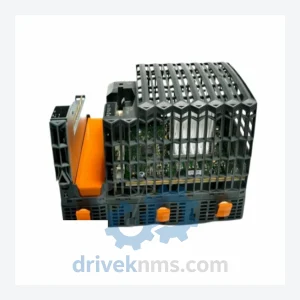
B&R X20CP1484 CPU Module – X20 Series
B&R X20CP1484 is listed for X20 Series RFQ review. Confirm quantity, condition and destination before quotation.
RFQ-ready industrial model
Model: 3AT350.6
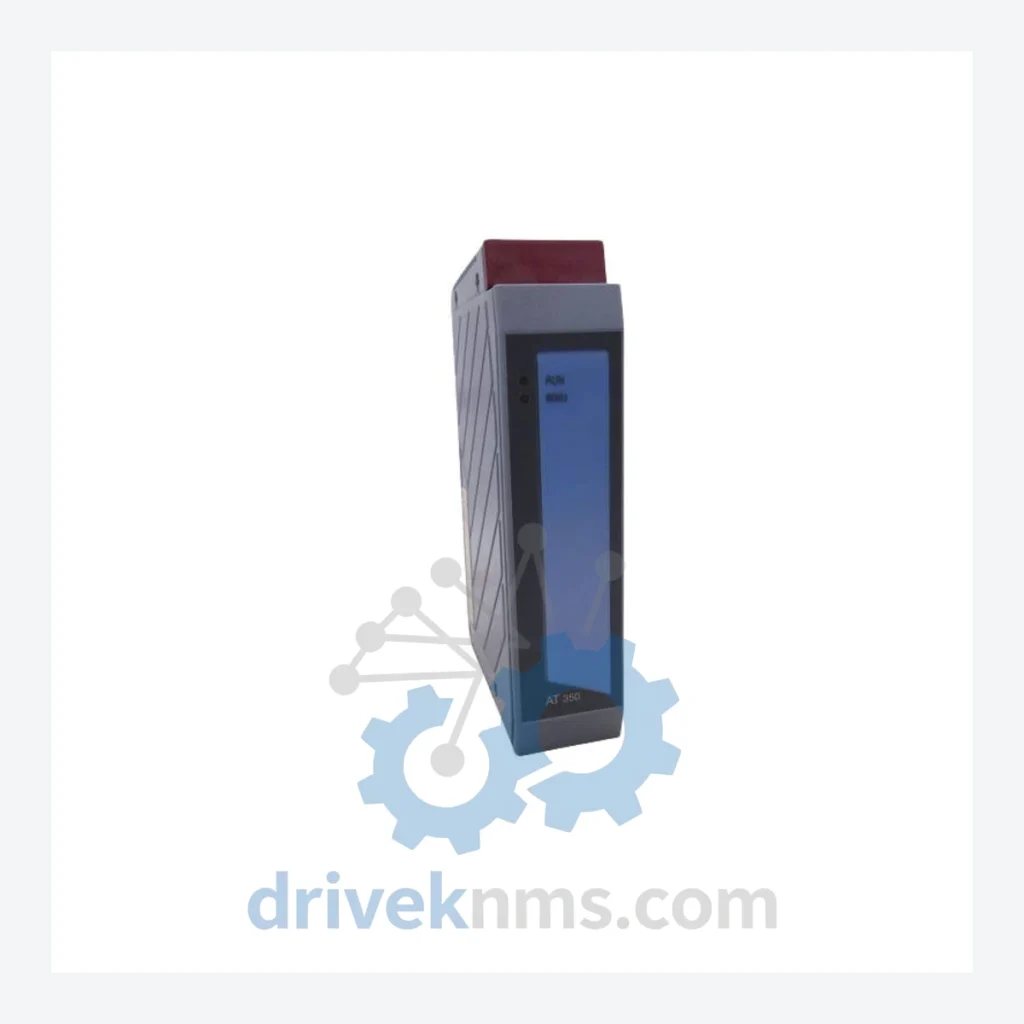
Product Overview
Commercial availability is handled through direct RFQ, model verification and export-oriented follow-up rather than public cart checkout.
Datasheet Preview
Use attached product manuals when available. If the manual is not public yet, request the full file directly through RFQ.
Commercial Path
Product pages on DRIVEKNMS are designed to verify model, brand and series first, then move the buyer into one clean quotation path.
Technical Dossier
RFQ support for obsolete parts: Send the model number, required quantity and destination so DriveKNMS can confirm sourcing options before quotation.
Note: Electrical parameters such as input channel count, RTD sensor types supported, and supply voltage are not published here to avoid inaccuracy. Please contact us for a verified datasheet.
The B&R AT350 platform was deployed extensively in manufacturing, food processing, and energy facilities throughout the 1990s and 2000s. Its RTD input modules — including the 3AT350.6 — handled precision temperature measurement tasks that are deeply embedded in process control logic. Because the AT350 architecture uses a proprietary backplane and communication protocol, there is no plug-compatible modern substitute. Replacing this module with a current-generation alternative requires hardware redesign, software re-mapping, and in most cases, a full I/O reconfiguration that invalidates existing safety validations.
The risk of not acting is asymmetric. A module failure during peak production carries costs — lost output, emergency engineering, expedited freight — that dwarf the cost of proactive procurement. The 3AT350.6 is not a commodity item; it is a strategic asset for any facility still running AT350-based infrastructure.
For operations management facing pressure to retire aging B&R AT350 systems, the following maintenance strategy has been applied successfully across process industries:
1. Conduct a failure-mode audit. Identify which modules in your AT350 rack carry the highest consequence of failure — typically analog I/O modules like the 3AT350.6 that interface directly with field instruments. These are your first procurement priority.
3. Source from verified channels only. The secondary market for obsolete industrial parts contains counterfeit and non-functional units. Procurement from suppliers with documented QA processes — including functional testing and traceability — is not optional for safety-rated systems.
5. Negotiate a deferred retirement timeline. With a verified spare parts strategy in place, facilities have successfully negotiated 5–10 year extensions on system retirement decisions, converting what would have been a capital project into a predictable maintenance line item.
Every 3AT350.6 unit supplied by DriveKNMS passes a structured 5-step quality process before dispatch:
Step 1 – Electrolytic Capacitor Inspection: Aging electrolytic capacitors are the primary failure mode in modules of this vintage. Each unit is inspected for capacitor bulging, leakage, and ESR deviation. Units with degraded capacitors are either recapped with equivalent-spec components or rejected.
Step 2 – Firmware Version Verification: The installed firmware version is recorded and cross-referenced against known-compatible versions for the AT350 platform. Mismatched firmware is a documented cause of silent data errors in RTD input modules.
Step 3 – Pin and Connector Corrosion Check: All backplane connector pins and field terminal blocks are inspected under magnification for oxidation, pitting, and mechanical deformation. Affected contacts are treated or the unit is rejected.
Step 4 – Functional Input Test: Where test equipment permits, RTD input channels are exercised with a calibrated resistance source to verify channel accuracy and response.
Step 5 – Packaging and ESD Protection: Units are packaged in anti-static bags with desiccant and rigid outer packaging to prevent transit damage and moisture ingress during storage.
Drop-in replacement: The 3AT350.6 installs directly into the existing AT350 rack slot with no mechanical modification. Field wiring connections are preserved.
No reprogramming required: The module reads its configuration from the AT350 CPU on startup. There is no module-level programming step, which eliminates a significant source of commissioning error during an unplanned replacement.
Avoids engineering reconstruction costs: Substituting a non-compatible modern module would require I/O mapping changes, PLC program modifications, and in regulated environments, re-validation. The 3AT350.6 avoids all of these costs entirely.
Preserves existing safety and process certifications: In facilities where the control system is part of a validated process (pharmaceutical, food, chemical), a like-for-like replacement with the original module number avoids triggering a change-control review that a hardware substitution would require.
Q: How do I know the unit is genuine and not counterfeit?
A: All units are sourced through documented supply chains. Physical markings, PCB construction, and component dates are cross-checked against known-authentic references. We do not source from unverified brokers.
Continue The Model Path
Move from this exact model into the matching system hub, brand archive, model-family archive or lifecycle sourcing route before sending a final RFQ list.
Related Paths
B&R X20CP1484 is listed for X20 Series RFQ review. Confirm quantity, condition and destination before quotation.
B&R 5P5000:V1407 is listed for PLC Modules RFQ review. Confirm quantity, condition and destination before quotation.
B&R X20 BC 0083 is listed for X20 Series RFQ review. Confirm quantity, condition and destination before quotation.