
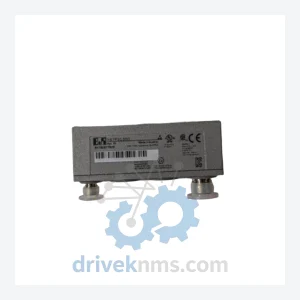
B&R X67PS1300 Power Supply Module – X67 Series
B&R X67PS1300 is listed for X67 Series RFQ review. Confirm quantity, condition and destination before quotation.
RFQ-ready industrial model
Model: X67DO1332
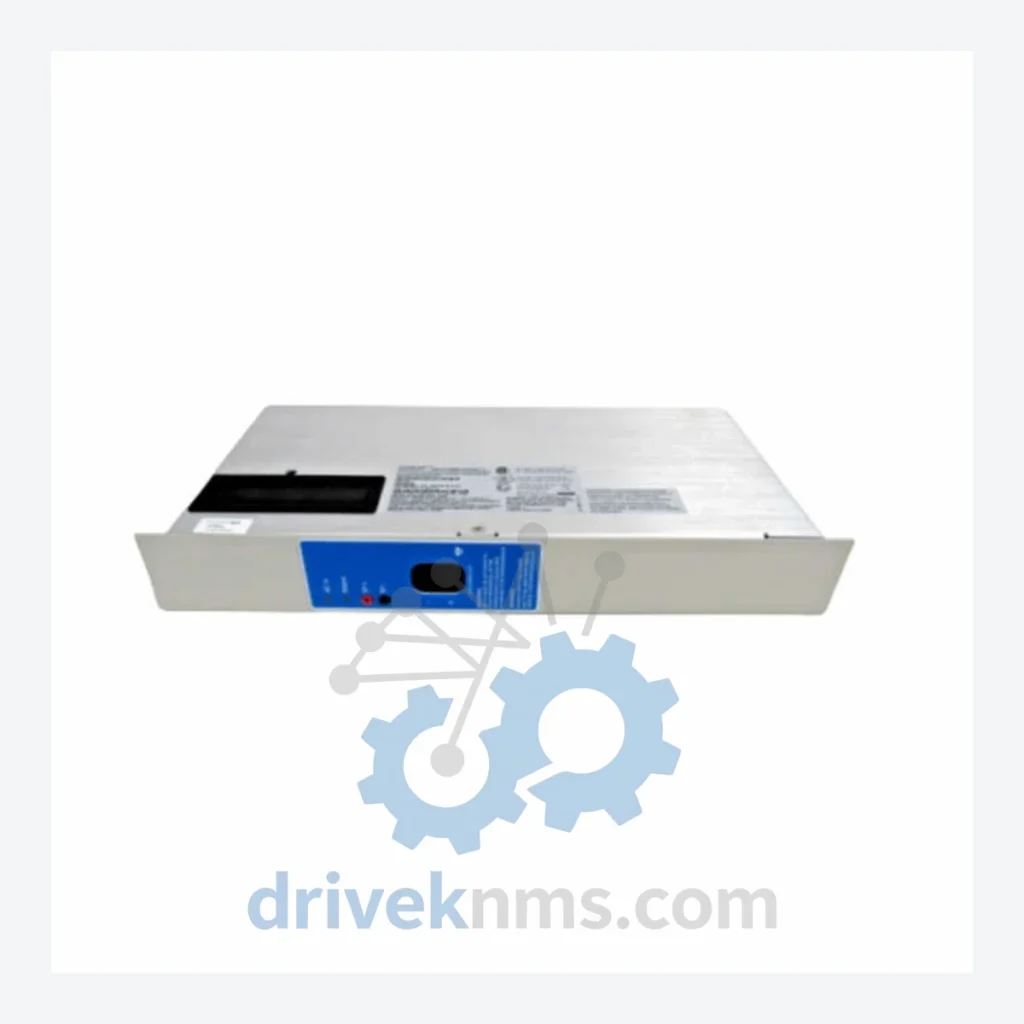
Product Overview
Commercial availability is handled through direct RFQ, model verification and export-oriented follow-up rather than public cart checkout.
Datasheet Preview
Use attached product manuals when available. If the manual is not public yet, request the full file directly through RFQ.
Commercial Path
Product pages on DRIVEKNMS are designed to verify model, brand and series first, then move the buyer into one clean quotation path.
Technical Dossier
RFQ support for obsolete parts: Send the model number, required quantity and destination so DriveKNMS can confirm sourcing options before quotation.
| Parameter | Detail |
|---|---|
| Part Number | X67DO1332 |
| Manufacturer | B&R Automation (Bernecker & Rainer) |
| Series | X67 Distributed I/O |
| Module Type | Digital Output Module |
| Country of Origin | Austria |
| Discontinuation Status | Discontinued / Obsolete – No longer in active production by B&R |
| Compatible Systems | B&R X67 distributed I/O bus nodes; compatible with B&R Automation Studio environments using X67 architecture |
| Form Factor | IP67-rated field module for direct machine-mount installation |
Note: Electrical parameters such as output current ratings and supply voltage are not published here to avoid inaccuracy. Please contact us directly for full datasheet and verified specifications prior to ordering.
The B&R X67 series was designed for harsh industrial environments — IP67-rated, distributed directly on the machine, and deeply integrated into B&R's Automation Studio programming environment. Facilities that adopted this architecture in the 2000s and early 2010s built production processes around its specific I/O mapping, node addressing, and fieldbus behavior. When B&R discontinued the X67DO1332, those facilities did not stop running. The machines kept operating, the wear kept accumulating, and the risk of an unplanned failure kept growing.
Replacing a single failed X67DO1332 with original hardware takes hours. Replacing the entire X67 I/O layer with a current-generation alternative takes months — and requires re-engineering every I/O assignment, safety interlock, and motion sequence that references those outputs. For a facility running three shifts, that engineering window is not available. The X67DO1332 is not just a module; it is the load-bearing component of a control architecture that cannot be casually swapped out.
Plant managers facing pressure to justify capital expenditure on aging automation systems have a straightforward case to make when the alternative is a multi-million-dollar line upgrade. A structured spare parts strategy for legacy B&R X67 infrastructure typically involves three elements:
1. Critical single-point-of-failure identification. Map every X67 node on the line and identify which output modules, if failed, would halt production entirely. The X67DO1332 is frequently in this category due to its role in driving actuators, solenoids, and safety-relevant outputs.
3. Scheduled condition monitoring. Even without active failure, X67 modules operating in high-vibration or high-temperature environments accumulate stress. A periodic inspection cycle — checking connector integrity, bus communication error logs, and output response times — allows planned replacement before failure occurs.
This approach has allowed facilities to operate legacy B&R X67 systems reliably for five to ten years beyond the point at which the hardware was discontinued, deferring capital expenditure until a planned upgrade window aligns with production schedules.
Q: How is condition confirmed before quotation?
A: Available condition, photos, test records and documentation are checked according to the requested model and sourcing channel before a formal RFQ response.
Q: How are RFQ terms confirmed?
A: Quantity, required condition, documentation needs, destination and sourcing route are confirmed during RFQ review before quotation.
Step 2 – Electrolytic capacitor assessment. Aging electrolytic capacitors are the most common failure mode in modules that have been in storage or light service for extended periods. Units showing capacitor bulge, leakage, or ESR values outside acceptable range are not offered for sale.
Step 3 – Firmware version verification. Where accessible, firmware revision is documented and disclosed to the buyer. Compatibility with the target Automation Studio version is confirmed prior to shipment where possible.
Step 4 – Functional output verification. Each digital output channel is exercised under controlled conditions to confirm switching behavior and output integrity.
Step 5 – Final documentation and packaging. Units are packaged in anti-static materials with inspection records. Condition grade (New / Refurbished-Grade-A) is clearly stated on the shipping documentation.
The X67DO1332 is a direct drop-in replacement for the same part number within any existing B&R X67 node configuration. There is no firmware re-flashing required on the replacement module for standard deployments, no I/O mapping changes in Automation Studio, and no mechanical adaptation. The module seats into the existing X67 bus node, the system recognizes it on the next power cycle, and production resumes.
This matters because the alternative — sourcing a different-generation module and adapting the control program — introduces engineering risk into a production environment. Every change to a validated PLC program requires re-testing, re-documentation, and in regulated industries, re-certification. The X67DO1332 eliminates that risk entirely. It is the same hardware the system was commissioned with.
For maintenance teams operating without on-site automation engineering support, this distinction is the difference between a two-hour repair and a two-week project.
Can you source other X67 series modules?
Yes. DriveKNMS maintains sourcing relationships for the broader B&R X67 product family. Contact us with your full BOM for a consolidated quotation.
Continue The Model Path
Move from this exact model into the matching system hub, brand archive, model-family archive or lifecycle sourcing route before sending a final RFQ list.
Related Paths
B&R X67PS1300 is listed for X67 Series RFQ review. Confirm quantity, condition and destination before quotation.
B&R X67BC7321-1 is listed for X67 Series RFQ review. Confirm quantity, condition and destination before quotation.
B&R X20CP1484 is listed for X20 Series RFQ review. Confirm quantity, condition and destination before quotation.