
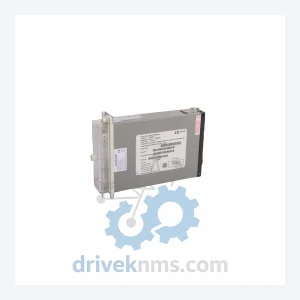
ALSTOM MVAJ105RA0802A Protection Relay – MiCOM Series
Alstom MVAJ105RA0802A is listed for MiCOM Series RFQ review. Confirm quantity, condition and destination before quotation.
RFQ-ready industrial model
Model: E300
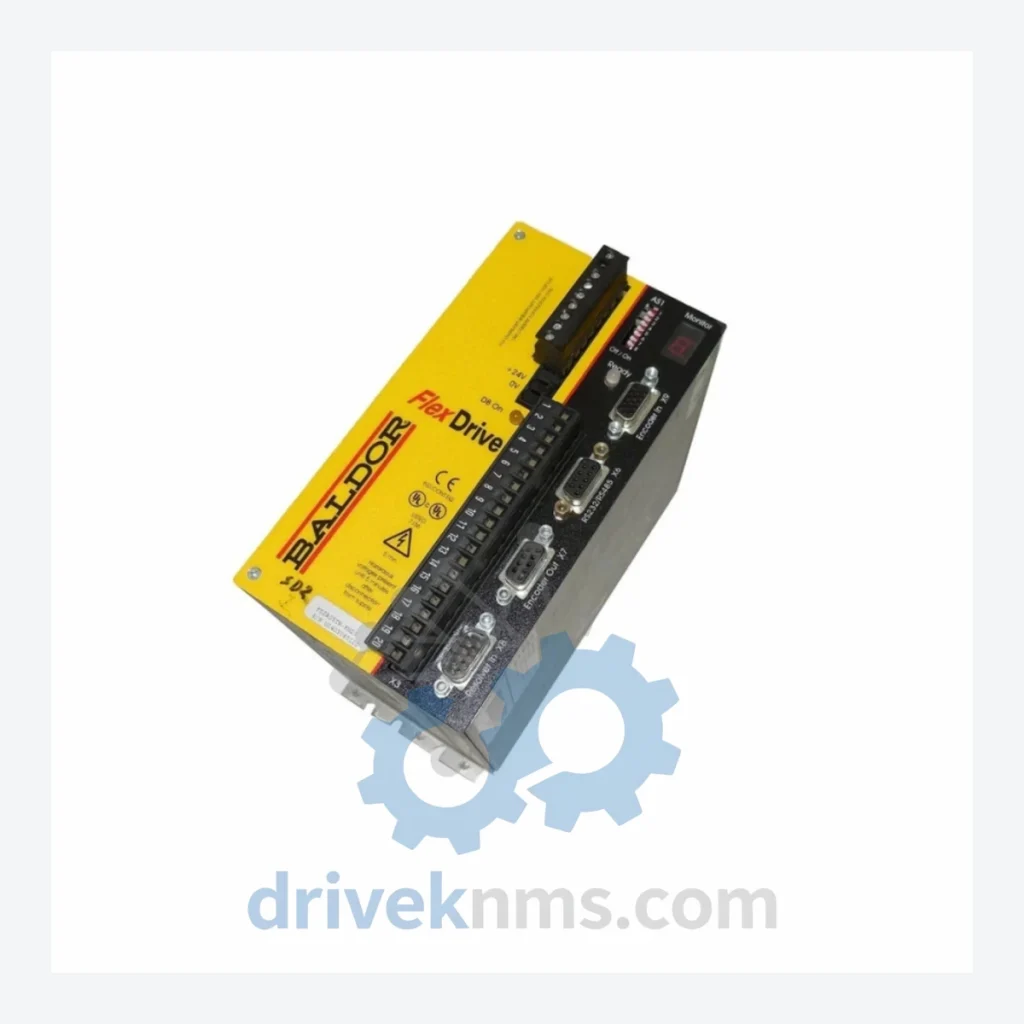
Product Overview
Commercial availability is handled through direct RFQ, model verification and export-oriented follow-up rather than public cart checkout.
Datasheet Preview
Use attached product manuals when available. If the manual is not public yet, request the full file directly through RFQ.
Commercial Path
Product pages on DRIVEKNMS are designed to verify model, brand and series first, then move the buyer into one clean quotation path.
Technical Dossier
RFQ support for obsolete parts: Send the model number, required quantity and destination so DriveKNMS can confirm sourcing options before quotation.
Note: Specific electrical parameters (voltage range, current rating, power output) vary by sub-variant. Confirmed specifications are provided upon inquiry. No parameters are published here that have not been independently verified — accuracy of electrical data is a safety matter, not a marketing matter.
For plant managers and maintenance engineers, this creates a specific and serious risk: a single drive failure can idle an entire production cell with no clear recovery path. The alternative — replacing the motion control architecture entirely — is not simply expensive. It requires mechanical re-engineering, new motor sizing, cable replacement, PLC or motion controller reprogramming, and a full recommissioning cycle. In regulated industries, it may also trigger revalidation requirements. The realistic timeline for such a project is measured in months, not days.
Sourcing a verified replacement E300 from DriveKNMS eliminates that timeline entirely. The existing mechanical interface, wiring harness, and motion program remain intact. The line returns to production. The capital expenditure decision — whether and when to modernize — can be made on the facility's schedule, not under emergency conditions.
This is the core logic of strategic spare parts management for legacy automation assets: the cost of holding one verified spare is a fraction of the cost of one unplanned outage.
Facilities operating Baldor E-Series servo systems are not obligated to accept OEM discontinuation as a decommissioning deadline. With disciplined spare parts management, these systems can be maintained in reliable service for an additional 5–10 years beyond the point of OEM support withdrawal. The following framework applies directly to E300-based installations:
1. Failure Mode Mapping. Identify the specific components within the E300 that are statistically most likely to fail first — power stage IGBTs, electrolytic capacitors in the DC bus filter, and encoder interface circuits are the primary candidates in drives of this generation. Knowing the failure modes allows targeted inspection rather than reactive replacement.
4. Firmware Version Control. Document the firmware version currently running in each installed E300. When sourcing replacement units, verify firmware compatibility before installation. Mismatched firmware versions can cause tuning and communication issues that are difficult to diagnose under pressure.
5. Supplier Qualification. Not all sources of obsolete drives apply equivalent quality standards. Require documented inspection records, electrolytic capacitor condition assessment, and functional test data before accepting any refurbished unit into your spare parts inventory.
Applied consistently, this framework converts a discontinuation event from an operational crisis into a managed maintenance program.
Every Baldor E300 unit processed by DriveKNMS passes a structured 5-stage inspection protocol before it is offered for sale or held in inventory. This protocol was developed specifically for legacy servo drives where OEM support is unavailable and field failure carries significant operational consequences.
Stage 1 – Electrolytic Capacitor Assessment. DC bus and filter capacitors are the primary age-related failure point in drives of this era. Each unit is inspected for capacitor bulging, electrolyte leakage, and ESR degradation. Units with capacitors showing measurable degradation are either recapped with equivalent-specification components or removed from serviceable inventory.
Stage 2 – Firmware Version Verification. The installed firmware version is documented and cross-referenced against known compatibility requirements for standard E300 applications. This information is provided to the customer at the time of sale.
Stage 3 – Connector and Pin Inspection. All I/O connectors, power terminals, and encoder interface pins are inspected under magnification for corrosion, fretting wear, and mechanical damage. Corroded contacts are cleaned and treated; connectors with structural damage are flagged.
Stage 4 – Insulation and Power Stage Testing. Insulation resistance testing is performed on power input and motor output terminals. Power stage switching devices are tested for correct function and absence of leakage current.
Stage 5 – Functional Verification. Where test equipment permits, units are powered and verified for correct initialization, status indication, and basic drive response. Test results are documented and accompany the unit.
The Baldor E300 is a direct mechanical and electrical replacement for the original installed unit. No modifications to the motor, cable harness, or mounting arrangement are required. The existing motion program, tuning parameters, and communication configuration remain valid — there is no reprogramming requirement and no need for a controls engineer to be present for installation.
This drop-in replacement characteristic is the defining advantage of sourcing a like-for-like spare over pursuing a cross-brand substitute or initiating a system upgrade. Engineering substitution projects — even when technically straightforward — consume time, budget, and organizational attention. A verified E300 replacement eliminates all of that. The maintenance technician installs the unit, restores the saved parameters if required, and the line runs.
For facilities with multiple E300 installations, this also means that a single spare unit can serve as insurance across the entire installed base, not just one machine.
Q: How do I know the unit is genuine and not a counterfeit?
A: All units are sourced through documented industrial channels — decommissioned facilities, verified surplus dealers, and qualified refurbishers. Physical inspection of labeling, PCB markings, and component dates is part of our intake process. Counterfeit risk for industrial servo drives of this generation is low, but our inspection protocol addresses it explicitly.
Q: What information do I need to provide when ordering?
A: The model number (E300) and, if known, the full part number or nameplate data from the installed unit. If you can provide the firmware version currently running in your system, that allows us to match the replacement unit more precisely.
Continue The Model Path
Move from this exact model into the matching system hub, brand archive, model-family archive or lifecycle sourcing route before sending a final RFQ list.
Related Paths
Alstom MVAJ105RA0802A is listed for MiCOM Series RFQ review. Confirm quantity, condition and destination before quotation.
Moore 16137-174 is listed for Servo Drives RFQ review. Confirm quantity, condition and destination before quotation.
Fuji Electric EP-3364B-CA-Z2 is listed for FRENIC Series RFQ review. Confirm quantity, condition and destination before quotation.