
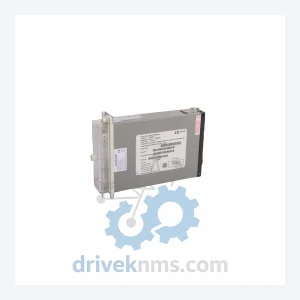
ALSTOM MVAJ105RA0802A Protection Relay – MiCOM Series
Alstom MVAJ105RA0802A is listed for MiCOM Series RFQ review. Confirm quantity, condition and destination before quotation.
RFQ-ready industrial model
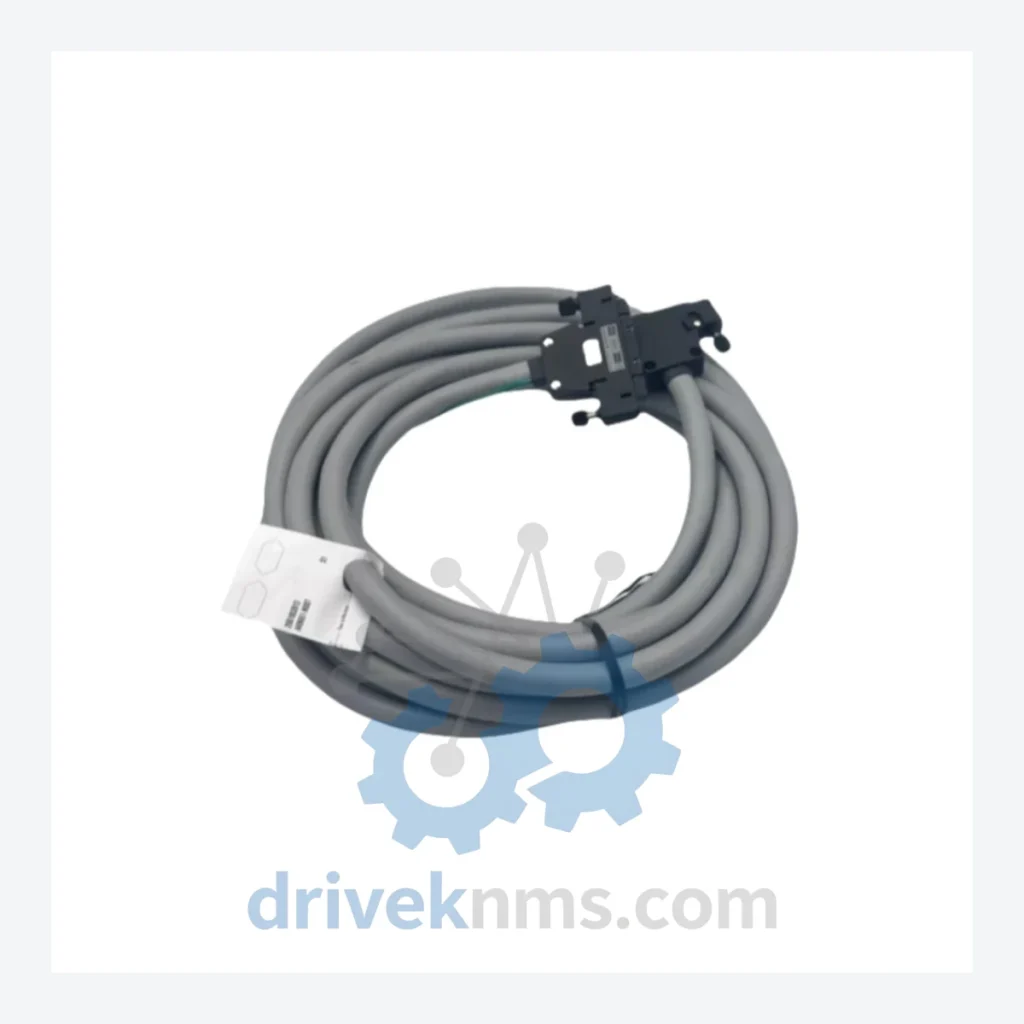
Model: AF100 9688 0101000
Product Overview
Commercial availability is handled through direct RFQ, model verification and export-oriented follow-up rather than public cart checkout.
Datasheet Preview
Use attached product manuals when available. If the manual is not public yet, request the full file directly through RFQ.
Commercial Path
Product pages on DRIVEKNMS are designed to verify model, brand and series first, then move the buyer into one clean quotation path.
Technical Dossier
When a single cable assembly fails inside a legacy control architecture, the downstream consequences are rarely limited to a line stoppage. For facilities still operating Belden AF100-series wiring infrastructure — often found in older Honeywell TDC 3000, ABB MasterPiece 200, or Siemens S5-series installations — sourcing a direct replacement has become a procurement exercise measured in weeks, not hours. The cost of an unplanned upgrade forced by a single unavailable cable can reach seven figures when engineering redesign, re-commissioning, and lost production are factored together. DriveKNMS holds RFQ-reviewed sourcing status of the Belden AF100 9688 0101000. This is not a cross-reference suggestion. This is the original part number.
RFQ support for obsolete parts: Send the model number, required quantity and destination so DriveKNMS can confirm sourcing options before quotation.
| Parameter | Detail |
|---|---|
| Manufacturer | Belden |
| Part Number | AF100 9688 0101000 |
| Series | AF100 |
| Product Category | Industrial Wire & Cable |
| Country of Origin | United States |
| Discontinuation Status | Obsolete / End-of-Life – no longer manufactured by Belden |
| Typical System Compatibility | Honeywell TDC 3000, ABB MasterPiece 200/90, Siemens S5 series, legacy DCS/PLC fieldbus wiring harnesses |
Q: How are RFQ terms confirmed?
A: Quantity, required condition, documentation needs, destination and sourcing route are confirmed during RFQ review before quotation.
Belden's AF100-series cables were engineered for the signal integrity demands of early distributed control systems. The shielding geometry, conductor configuration, and connector termination standards of this series were specified into plant designs during the 1980s and 1990s — and those specifications are still embedded in the wiring schematics of operating facilities today.
When Belden discontinued the AF100 line, it did not eliminate the installed base. Thousands of meters of AF100 wiring remain active inside refineries, chemical plants, power generation facilities, and discrete manufacturing lines. The failure of a single cable segment — whether from insulation fatigue, connector corrosion, or mechanical damage — does not invalidate the surrounding infrastructure. It creates a targeted replacement requirement that a modern substitute cable may not satisfy without engineering intervention.
Substituting a non-identical cable into a legacy DCS wiring harness carries real risk: impedance mismatch can introduce signal noise on analog I/O loops, incorrect shielding can compromise EMI rejection in high-interference environments, and dimensional differences can prevent proper seating in existing cable trays and conduit runs. The AF100 9688 0101000 eliminates all of these variables. It is the part the system was designed around.
The decision to maintain an aging control system rather than replace it is not a failure of planning — it is, in many cases, the correct financial decision. The following framework is used by maintenance engineering teams to justify and execute a structured obsolete-parts strategy:
1. Criticality mapping: Identify every cable assembly and wiring harness in the control system that has no current-production equivalent. Rank by consequence of failure — a cable on a safety-instrumented loop carries different priority than one on a non-critical status signal.
Q: How do I know the unit is genuine Belden and not a counterfeit?
A: We source from documented industrial surplus channels and original equipment dismantlers. Physical markings, cable construction, and dimensional characteristics are cross-referenced against Belden reference documentation. Any unit where authenticity cannot be confirmed to our standard is not offered for sale.
Q: Can you support multi-unit or repeat RFQ requests?
A: Yes. Send the model list, target quantity and destination so DRIVEKNMS can review sourcing options and quote the requirement as a project RFQ.
Q: Can export requirements be reviewed?
A: Destination, documentation and routing requirements are confirmed during RFQ review.
Continue The Model Path
Move from this exact model into the matching system hub, brand archive, model-family archive or lifecycle sourcing route before sending a final RFQ list.
Related Paths
Alstom MVAJ105RA0802A is listed for MiCOM Series RFQ review. Confirm quantity, condition and destination before quotation.
Moore 16137-174 is listed for Servo Drives RFQ review. Confirm quantity, condition and destination before quotation.
Fuji Electric EP-3364B-CA-Z2 is listed for FRENIC Series RFQ review. Confirm quantity, condition and destination before quotation.