
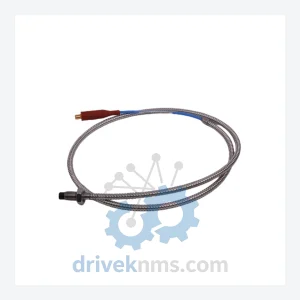
Bently Nevada TM0180 Modules TM0180-A08-B00-C02-D10
Bently Nevada TM0180-A08-B00-C02-D10 is listed for Monitoring Systems RFQ review. Confirm quantity, condition and destination before quotation.
RFQ-ready industrial model
Model: 16710-25
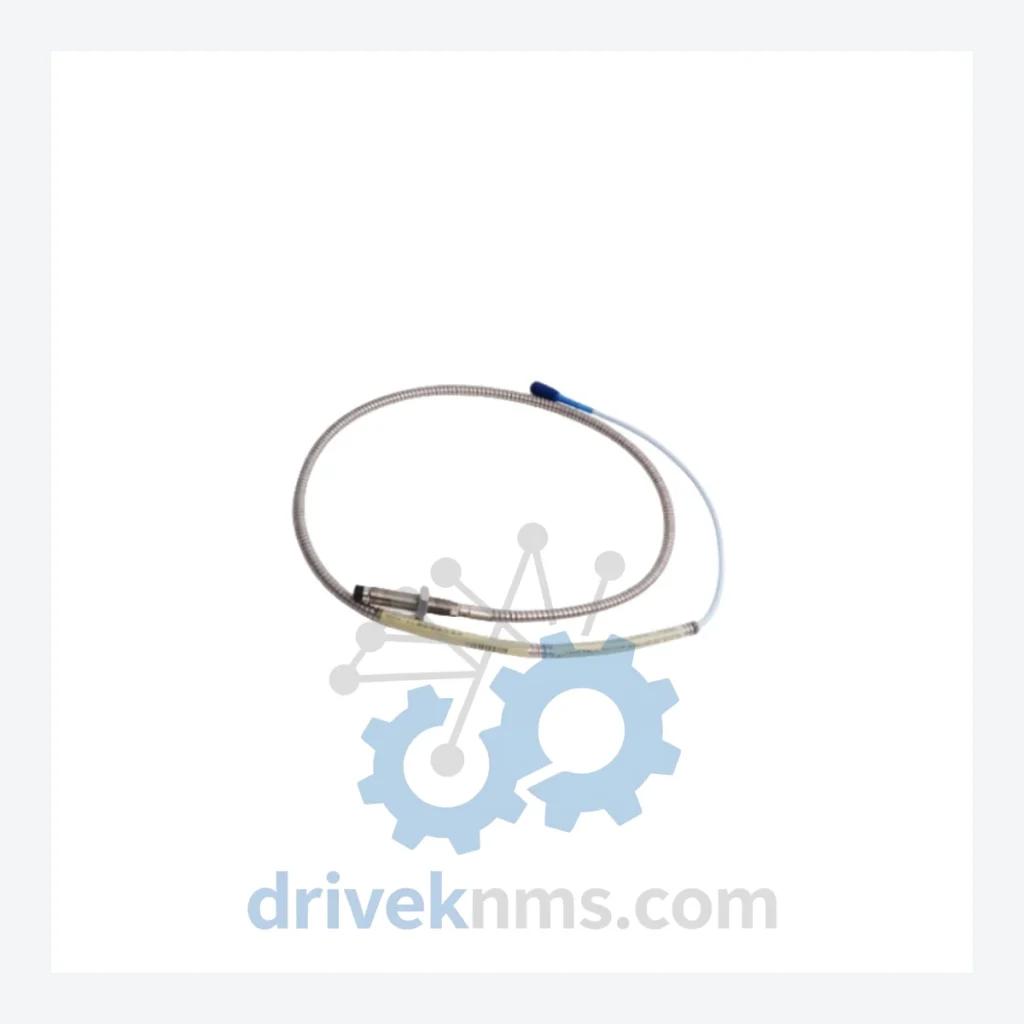
Product Overview
Commercial availability is handled through direct RFQ, model verification and export-oriented follow-up rather than public cart checkout.
Datasheet Preview
Use attached product manuals when available. If the manual is not public yet, request the full file directly through RFQ.
Commercial Path
Product pages on DRIVEKNMS are designed to verify model, brand and series first, then move the buyer into one clean quotation path.
Technical Dossier
The Bently Nevada 16710 Series Interconnect Cables are purpose-engineered signal transmission assemblies designed for use within Bently Nevada 3300 and 7200 Series vibration monitoring systems. These cables serve as the physical interface between proximity probes, extension cables, and Proximitor® sensor assemblies, making them a critical infrastructure component in continuous machinery protection systems deployed across global heavy industry. Installations span petrochemical refineries, nuclear power stations, offshore platforms, LNG terminals, and rotating equipment-intensive chemical processing facilities. The 16710 Series is specified by OEM machinery builders and end-user reliability engineers who require deterministic signal integrity under high-EMI, high-temperature, and chemically aggressive environments. The series remains one of the most widely referenced cable assemblies in the Bently Nevada spare parts ecosystem, with active installed bases across facilities operating under API 670 machinery protection standards.
The 16710 Series was introduced as part of Bently Nevada's systematic effort to standardize field wiring for eddy-current proximity measurement chains. Early-generation assemblies were designed around the 3300 Series monitor architecture, where signal conditioning was performed by discrete Proximitor® sensors mounted close to the machine casing. The cable's primary function was to maintain a controlled impedance path between the probe tip and the Proximitor® output, preserving the DC gap voltage and AC vibration signal without introducing capacitive loading errors.
As Bently Nevada transitioned through successive platform generations — from the 3300 XL to the System 1 software-integrated monitoring architecture — the 16710 Series cables retained backward compatibility with legacy probe and Proximitor® assemblies, enabling brownfield upgrades without full probe replacement. The introduction of the 7200 Series Proximitor® sensors expanded the cable's application envelope to higher-temperature environments, requiring revised jacket materials and connector termination standards. Modern installations frequently pair 16710 Series cables with 330130, 330180, and 330500 Series proximity probes, forming a complete measurement chain qualified to API 670 Fifth Edition requirements. The series is now considered mature, with no new variants in active development; lifecycle support is the primary commercial driver for procurement activity.
The following SKUs represent verified, commonly procured models within the Bently Nevada 16710 Series. Each entry reflects a distinct cable length or configuration variant used in standard proximity measurement chain assemblies.
16710-25: 25 ft (7.62 m) interconnect cable for 3300/7200 Proximitor® sensor assemblies
16710-50: 50 ft (15.24 m) standard interconnect cable, high-EMI shielded jacket
16710-75: 75 ft (22.86 m) interconnect cable for extended probe-to-monitor runs
16710-100: 100 ft (30.48 m) long-run interconnect cable, field-terminable variant
16710-05: 5 ft (1.52 m) short interconnect cable for panel-mount Proximitor® installations
16710-10: 10 ft (3.05 m) interconnect cable for compact machinery housings
16710-15: 15 ft (4.57 m) interconnect cable, standard shielded coaxial construction
16710-20: 20 ft (6.10 m) interconnect cable for mid-range probe-to-Proximitor® distances
16710-30: 30 ft (9.14 m) interconnect cable, compatible with 3300 XL monitor inputs
16710-35: 35 ft (10.67 m) interconnect cable for turbine bearing proximity measurement
16710-40: 40 ft (12.19 m) interconnect cable, oil-resistant outer jacket variant
16710-45: 45 ft (13.72 m) interconnect cable for compressor train monitoring applications
16710-60: 60 ft (18.29 m) interconnect cable for large-frame steam turbine installations
16710-80: 80 ft (24.38 m) interconnect cable, high-temperature rated jacket
16710-90: 90 ft (27.43 m) interconnect cable for remote Proximitor® mounting configurations
16710-125: 125 ft (38.10 m) extended interconnect cable for large plant layout requirements
16710-150: 150 ft (45.72 m) maximum-length interconnect cable for distributed monitoring panels
Interconnect cables in proximity measurement chains are passive assemblies, but their electrical characteristics directly affect measurement accuracy. DriveKNMS applies the following verification protocol to all 16710 Series units prior to dispatch:
Continuity Testing: Full end-to-end conductor continuity verification on center conductor and shield drain wire using calibrated low-resistance ohmmeters.
Insulation Resistance (IR) Testing: Megohmmeter testing at 500 VDC between center conductor and shield, with acceptance threshold of ≥100 MΩ, confirming dielectric integrity of the coaxial insulation.
Capacitance Measurement: Distributed capacitance per unit length is measured and compared against Bently Nevada published specifications to confirm the cable will not introduce gap voltage errors in the Proximitor® measurement circuit.
Connector Inspection: BNC and MIL-spec connector terminations are inspected under magnification for cold solder joints, shield braid continuity, and mechanical retention force.
Jacket Integrity Check: Visual and tactile inspection of the outer jacket for cracking, abrasion, or chemical degradation that could compromise field performance.
Traceability Documentation: Each unit ships with a test record, lot identification, and certificate of conformance available on request.
Continue The Model Path
Move from this exact model into the matching system hub, brand archive, model-family archive or lifecycle sourcing route before sending a final RFQ list.
Related Paths
Bently Nevada TM0180-A08-B00-C02-D10 is listed for Monitoring Systems RFQ review. Confirm quantity, condition and destination before quotation.
Bently Nevada TACH100-01 174652-01 is listed for Monitoring Systems RFQ review. Confirm quantity, condition and destination before quotation.
Bently Nevada RS901104-03-050-10-01 R200602-400808 is listed for 3300 Series RFQ review. Confirm quantity, condition and destination before quotation.