
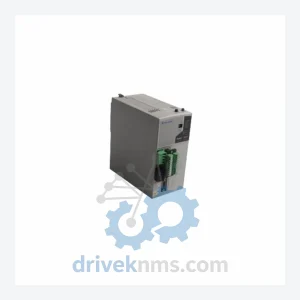
Bosch KM3300 Modules: KM 3300-T 054915-103 KM3300
Bosch KM3300 Series: Comprehensive Module Range and Technical Overview The Bosch KM3300 series represents a mature line of capacitor and…
Model: 330103-00-12-10-11-05
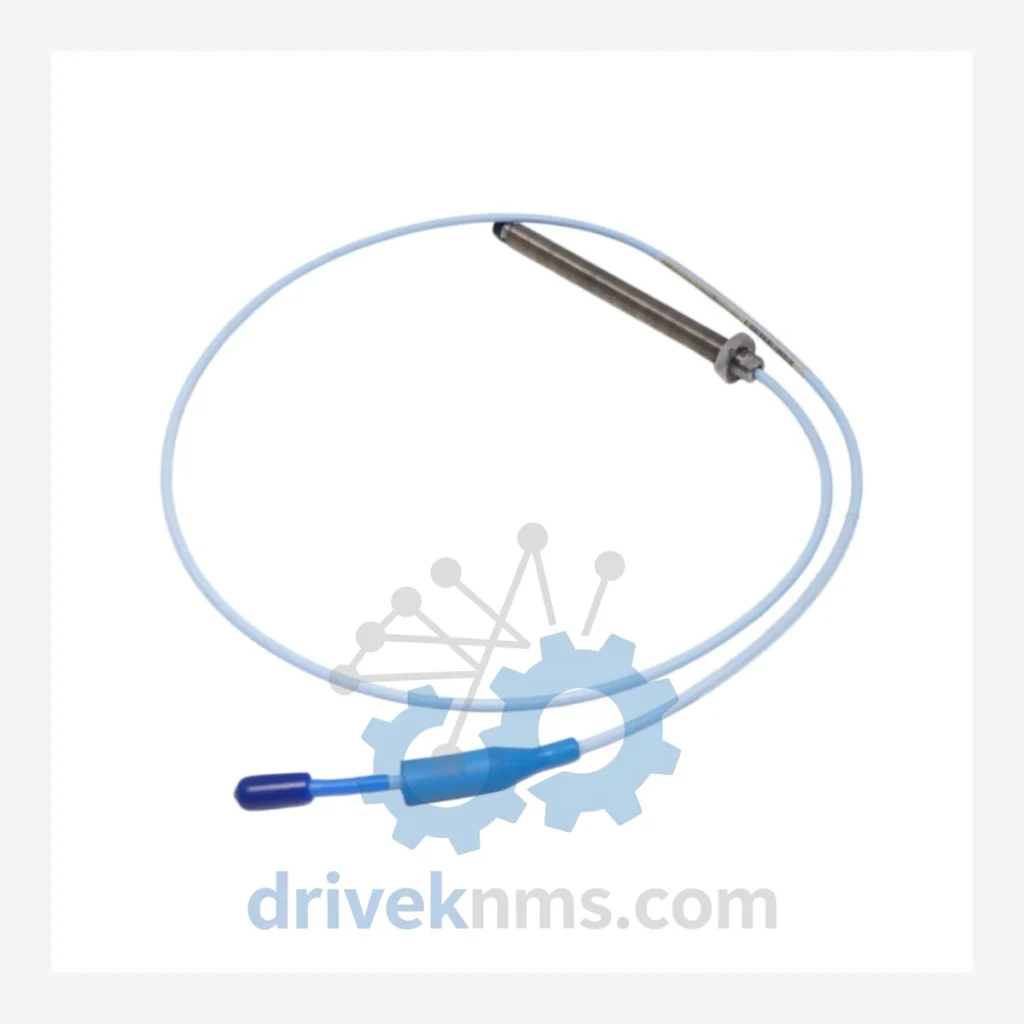
Product Overview
Commercial availability is handled through direct RFQ, model verification and export-oriented follow-up rather than public cart checkout.
Datasheet Preview
Use attached product manuals when available. If the manual is not public yet, request the full file directly through RFQ.
Commercial Path
Product pages on DRIVEKNMS are designed to verify model, brand and series first, then move the buyer into one clean quotation path.
Technical Dossier
The Bently Nevada 3300 Series is a field-proven machinery protection and condition monitoring system deployed across the global heavy process industry. It is the standard-of-record in continuous rotating machinery monitoring at petrochemical complexes, nuclear power stations, offshore platforms, LNG terminals, and crude oil refineries. The system measures shaft radial vibration, axial position (thrust), differential expansion, eccentricity, speed, and phase reference — parameters that are mandatory inputs for API 670-compliant machinery protection on steam turbines, gas turbines, centrifugal compressors, and large motor-driven pumps.
Installed base estimates place the 3300 Series in tens of thousands of train-monitoring applications worldwide. Its modular architecture — separating the proximity transducer, extension cable, and signal conditioning monitor into discrete, field-replaceable components — has made it the dominant platform for long-term spare parts procurement in facilities with 20–40 year asset lifecycles. The system interfaces natively with GE's System 1 condition monitoring software and is backward-compatible with legacy Bently Nevada 7200 Series transducers in many configurations.
The 3300 Series was introduced by Bently Nevada Corporation in the early 1990s as a successor to the 7200 Series, addressing the need for higher channel density, improved EMI immunity, and digital communication capability. The original architecture centered on a 19-inch rack-mounted monitor chassis accepting plug-in monitor cards, with field-mounted proximity transducer assemblies connected via armored extension cables.
First Generation (1990s): The initial 3300 monitors used analog signal conditioning with 4–20 mA and relay outputs. Rack systems were configured with individual monitor cards per measurement channel. The 3300/16 and 3300/20 monitors established the standard gap voltage range of −10 VDC (nominal) and the standard sensitivity of 200 mV/mil (7.87 V/mm) for 8 mm probes.
Second Generation (2000s): Integration of MODBUS RTU and later PROFIBUS DP communication ports allowed the 3300 Series to feed data directly into DCS platforms (Honeywell TPS, Emerson DeltaV, ABB 800xA) without intermediate signal converters. The 3300/55 Keyphasor module and 3300/65 tachometer were introduced to support phase-referenced vibration analysis.
Third Generation / Current Production: The 3300 XL series monitors introduced expanded memory, faster sampling rates, and native System 1 Ethernet connectivity. However, the physical form factor and transducer interface specifications were maintained for backward compatibility. Many facilities continue to operate first- and second-generation monitors alongside XL variants within the same rack.
Obsolescence and Migration Path: GE (now Baker Hughes) has progressively moved new installations toward the 3500 Series platform, which offers higher channel density and IEC 61511 SIL 2 certification. The 3300 Series is in the mature/end-of-active-production phase. Replacement parts, including proximity probes, extension cables, and monitor cards, are no longer manufactured in volume by the OEM. Procurement of certified surplus and refurbished inventory from specialist distributors is the primary supply chain strategy for facilities maintaining 3300-based systems.
Proximity Probes (Transducers)
Extension Cables
Signal Conditioning Monitors (Rack Cards)
Power Supplies & Rack Infrastructure
With the 3300 Series in the mature phase of its product lifecycle and OEM volume production discontinued, the primary procurement challenge for maintenance engineers is sourcing certified, tested components with documented traceability. DriveKNMS maintains a dedicated inventory of 3300 Series proximity probes, extension cables, and monitor cards sourced from decommissioned plant assets, authorized surplus channels, and controlled refurbishment programs.
Key sourcing capabilities for the 3300 Series include:
DriveKNMS provides a 12-month warranty on all refurbished 3300 Series components and maintains documentation packages (test reports, calibration records, photos) for each unit shipped. For facilities with long-term maintenance contracts, blanket purchase order arrangements are available to secure inventory allocation against planned turnaround schedules.
The 3300 Series proximity measurement chain — probe, extension cable, and driver/monitor — functions as a calibrated system. Substituting any single component without verifying system-level performance can introduce measurement error that is not detectable by individual component testing alone. DriveKNMS applies a system-level test protocol to all 3300 Series components:
© 2026 DriveKNMS. All trademarks belong to their respective owners. Specifications are for reference only and subject to change without notice. Verify all parameters against official documentation before installation.
Related Paths
Bosch KM3300 Series: Comprehensive Module Range and Technical Overview The Bosch KM3300 series represents a mature line of capacitor and…
ProSoft Technology 3300 Series: Comprehensive Module Range and Technical Overview The ProSoft Technology 3300 Series represents one of the most…
Bently Nevada TM0180 Series: Comprehensive Module Range and Technical Overview The Bently Nevada TM0180 series represents a family of current-output…