
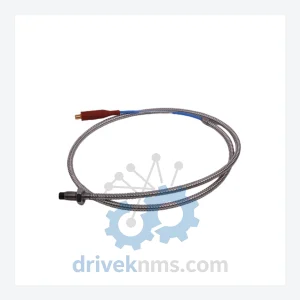
Bently Nevada TM0180 Modules TM0180-A08-B00-C02-D10
Bently Nevada TM0180-A08-B00-C02-D10 is listed for Monitoring Systems RFQ review. Confirm quantity, condition and destination before quotation.
RFQ-ready industrial model
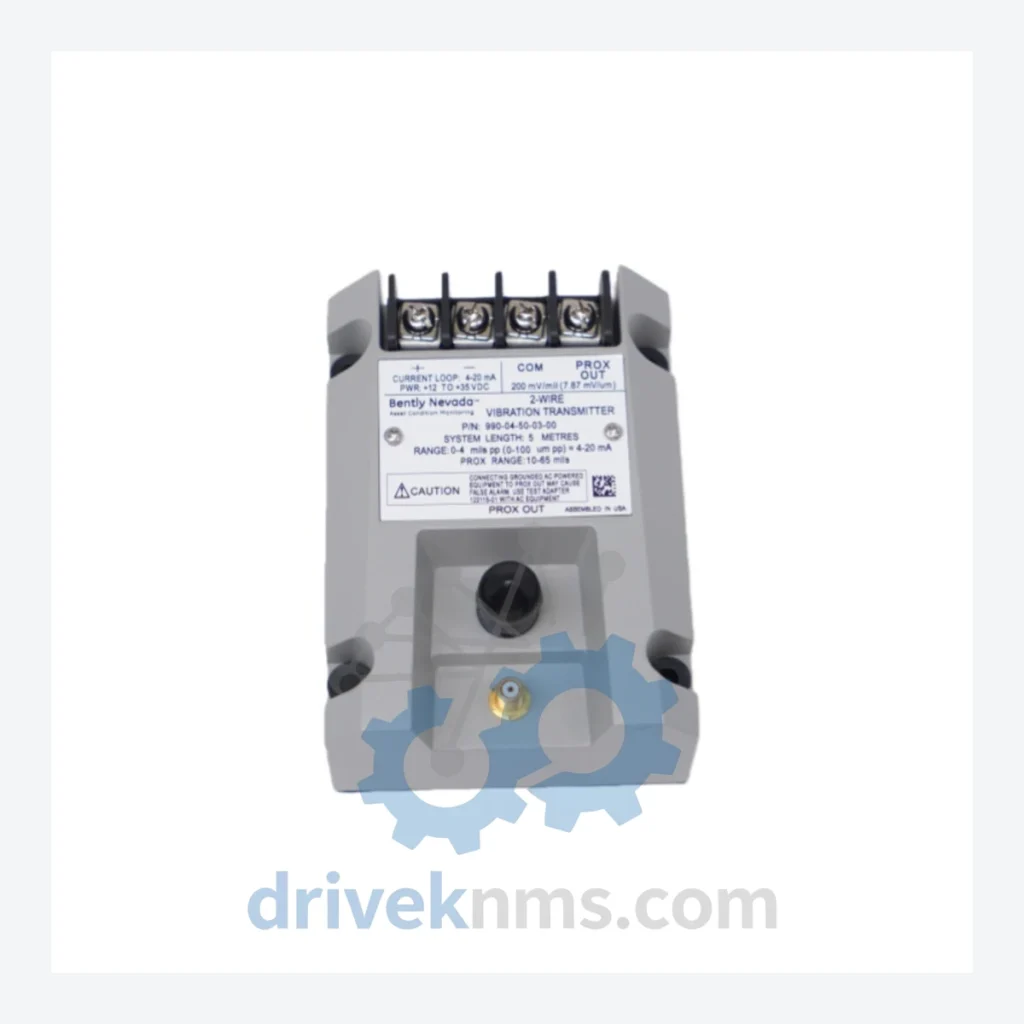
Model: 990-04-07-01-05
Product Overview
Commercial availability is handled through direct RFQ, model verification and export-oriented follow-up rather than public cart checkout.
Datasheet Preview
Use attached product manuals when available. If the manual is not public yet, request the full file directly through RFQ.
Commercial Path
Product pages on DRIVEKNMS are designed to verify model, brand and series first, then move the buyer into one clean quotation path.
Technical Dossier
RFQ support for obsolete parts: Send the model number, required quantity and destination so DriveKNMS can confirm sourcing options before quotation.
Note: Electrical parameters such as output range, supply voltage, and frequency response are not published here to prevent specification mismatch. Please contact our technical team with your loop documentation for confirmation before ordering.
The Bently Nevada 990 Series was a foundational component in rotating machinery protection across petrochemical, power generation, and heavy manufacturing sectors throughout the 1980s and 1990s. Its role was not decorative — it provided the real-time vibration signal that protection relays depended on to prevent catastrophic bearing failures and shaft damage.
The OEM discontinued this product line as the industry transitioned to the 3500 Series architecture. However, discontinuation of a product does not discontinue the machines it monitors. Thousands of turbines, compressors, and pumps worldwide continue to operate under 990 Series supervision. The monitoring logic, wiring infrastructure, and relay configurations built around this transmitter represent decades of engineering investment that cannot be casually discarded.
Replacing a 990-04-07-01-05 with a modern equivalent is not a plug-and-play exercise. Signal conditioning differences, output scaling, and connector pinouts frequently require engineering intervention. The only true drop-in solution is the original part number — which is precisely why sourcing one from a specialist distributor like DriveKNMS carries real operational value.
How to extend your 990 Series asset life by 5–10 years without a system overhaul:
These measures do not require capital expenditure approval. They require a maintenance strategy that treats the 990 Series infrastructure as a managed asset rather than a liability waiting to be replaced.
Sourcing an obsolete part from the open market carries inherent risk. DriveKNMS applies a structured 5-step quality process to every 990-04-07-01-05 unit before it leaves our facility:
Units that do not pass all five stages are not sold as functional spares. This is not a sorting process — it is a rejection process.
How do I know the unit is genuine and not a counterfeit?
All units sourced by DriveKNMS are traceable to documented supply channels. We do not purchase from anonymous brokers. Physical markings, date codes, and internal construction are verified against known-good reference units during our QA process.
Continue The Model Path
Move from this exact model into the matching system hub, brand archive, model-family archive or lifecycle sourcing route before sending a final RFQ list.
Related Paths
Bently Nevada TM0180-A08-B00-C02-D10 is listed for Monitoring Systems RFQ review. Confirm quantity, condition and destination before quotation.
Bently Nevada RS901104-03-050-10-01 R200602-400808 is listed for 3300 Series RFQ review. Confirm quantity, condition and destination before quotation.
Bently Nevada TACH100-01 174652-01 is listed for Monitoring Systems RFQ review. Confirm quantity, condition and destination before quotation.