
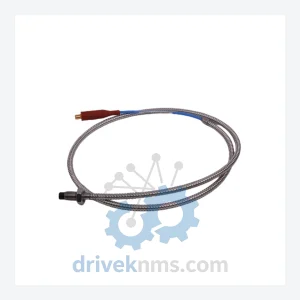
Bently Nevada TM0180 Modules TM0180-A08-B00-C02-D10
Bently Nevada TM0180-A08-B00-C02-D10 is listed for Monitoring Systems RFQ review. Confirm quantity, condition and destination before quotation.
RFQ-ready industrial model
Model: 991-05-50-01-00
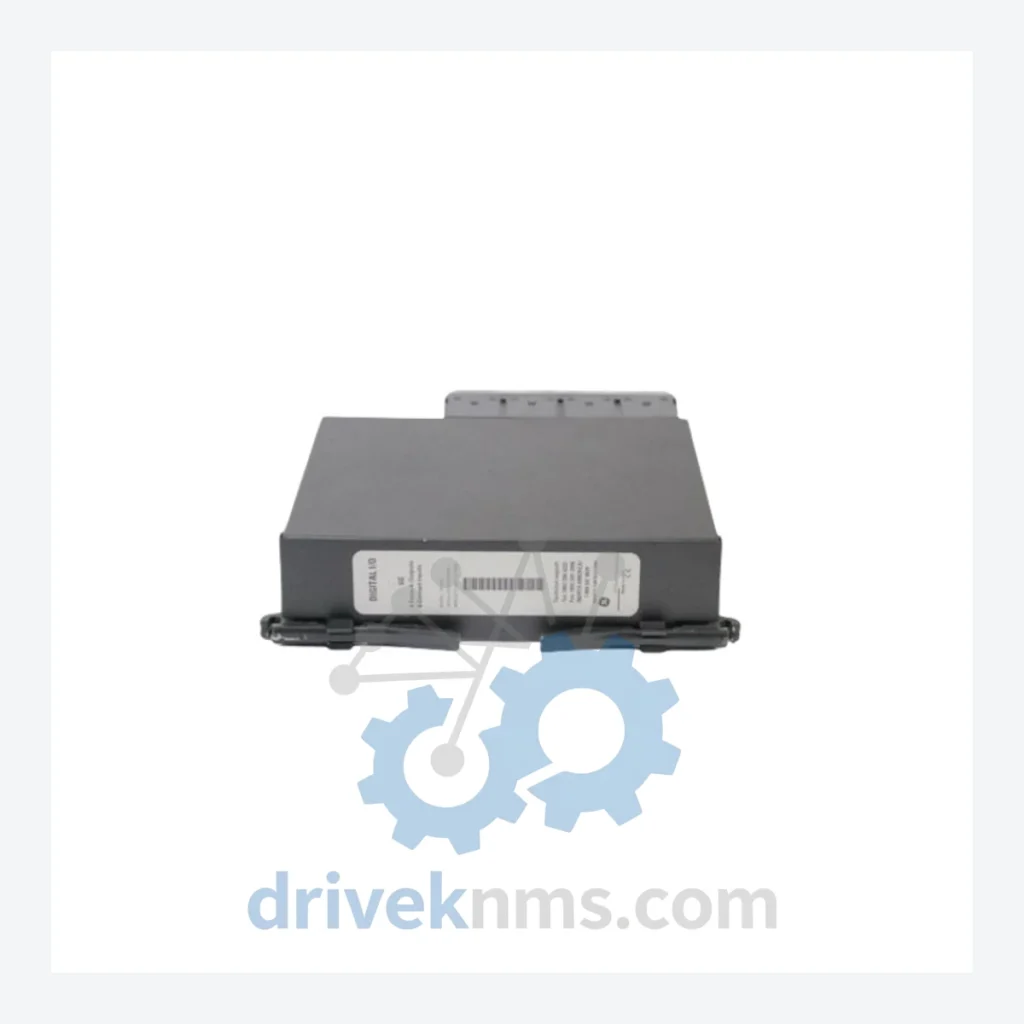
Product Overview
Commercial availability is handled through direct RFQ, model verification and export-oriented follow-up rather than public cart checkout.
Datasheet Preview
Use attached product manuals when available. If the manual is not public yet, request the full file directly through RFQ.
Commercial Path
Product pages on DRIVEKNMS are designed to verify model, brand and series first, then move the buyer into one clean quotation path.
Technical Dossier
The Bently Nevada 991 Series represents one of the most widely deployed machinery protection and condition monitoring platforms in global heavy industry. Installed across petrochemical complexes, nuclear power stations, offshore platforms, LNG terminals, and refinery critical rotating equipment trains, the 991 Series provides continuous vibration, position, and process variable monitoring for turbines, compressors, pumps, and motors. Its modular rack-based architecture integrates directly with DCS and SCADA systems via 4–20 mA analog outputs and discrete relay contacts, making it a standard reference in API 670-compliant machinery protection systems. The platform's long production lifecycle — spanning from the late 1980s through the 2000s — means a substantial installed base remains in active service, with operators requiring reliable spare parts sourcing and lifecycle extension support.
The 991 Series was introduced by Bently Nevada as a successor to earlier discrete-channel monitoring instruments, consolidating multiple measurement functions into a standardized rack-mount form factor. Early configurations centered on single-channel transducer interface modules paired with dedicated signal conditioning cards. As the platform matured, multi-channel I/O density increased and communication options expanded to include 4–20 mA loop outputs compatible with Honeywell TDC 3000, Yokogawa CENTUM, and Emerson DeltaV DCS environments.
The 991 Series operates on a passive backplane architecture: each module slot is independently addressable, and modules can be replaced without powering down adjacent channels — a critical feature for continuous-process industries where unplanned shutdowns carry significant economic penalties. Power supply redundancy is supported through dual-slot PSU configurations.
By the mid-2000s, Bently Nevada transitioned its primary product line toward the 3500 Series, which introduced digital communication via Modbus RTU/TCP and System 1 software integration. The 991 Series entered end-of-life status, with Bently Nevada (acquired by Baker Hughes / GE) formally discontinuing active production. However, the installed base in legacy facilities — particularly in regions with long capital equipment replacement cycles — continues to demand original-specification replacement modules. Compatibility between 991 Series modules and 3500 Series racks is not direct; field retrofits require transducer recalibration and signal conditioning verification.
The following SKUs represent verified, commonly sourced modules within the Bently Nevada 991 Series. Each entry reflects the module's primary functional classification.
Thrust & Axial Position Monitors
Radial Vibration Monitors
Keyphasor & Speed Monitors
Temperature & Process Variable Monitors
Power Supply Units
Communication & Interface Modules
With the 991 Series formally discontinued, OEM factory support for new unit procurement is no longer available through standard Bently Nevada / Baker Hughes distribution channels. DriveKNMS maintains a dedicated inventory of tested, pull-out, and refurbished 991 Series modules sourced from decommissioned plant equipment and controlled surplus channels.
The 991 Series employs a passive backplane with active signal conditioning on each module card. Quality verification for sourced 991 Series modules at DriveKNMS follows a structured test protocol:
All tested modules are documented with a test record traceable to the specific unit serial number and are shipped with anti-static packaging and desiccant.
Continue The Model Path
Move from this exact model into the matching system hub, brand archive, model-family archive or lifecycle sourcing route before sending a final RFQ list.
Related Paths
Bently Nevada TM0180-A08-B00-C02-D10 is listed for Monitoring Systems RFQ review. Confirm quantity, condition and destination before quotation.
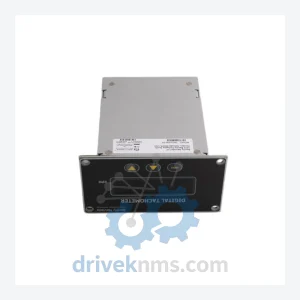
Bently Nevada TACH100-01 174652-01 is listed for Monitoring Systems RFQ review. Confirm quantity, condition and destination before quotation.
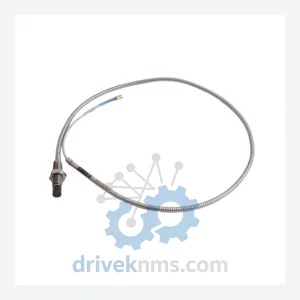
Bently Nevada RS901104-03-050-10-01 R200602-400808 is listed for 3300 Series RFQ review. Confirm quantity, condition and destination before quotation.