
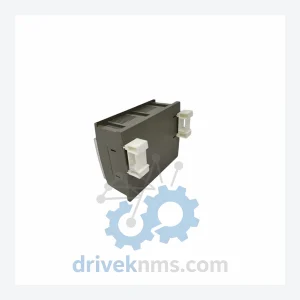
Honeywell XDL505 I/O Module FSC Series
Honeywell XDL505 is listed for Monitoring Systems RFQ review. Confirm quantity, condition and destination before quotation.
RFQ-ready industrial model
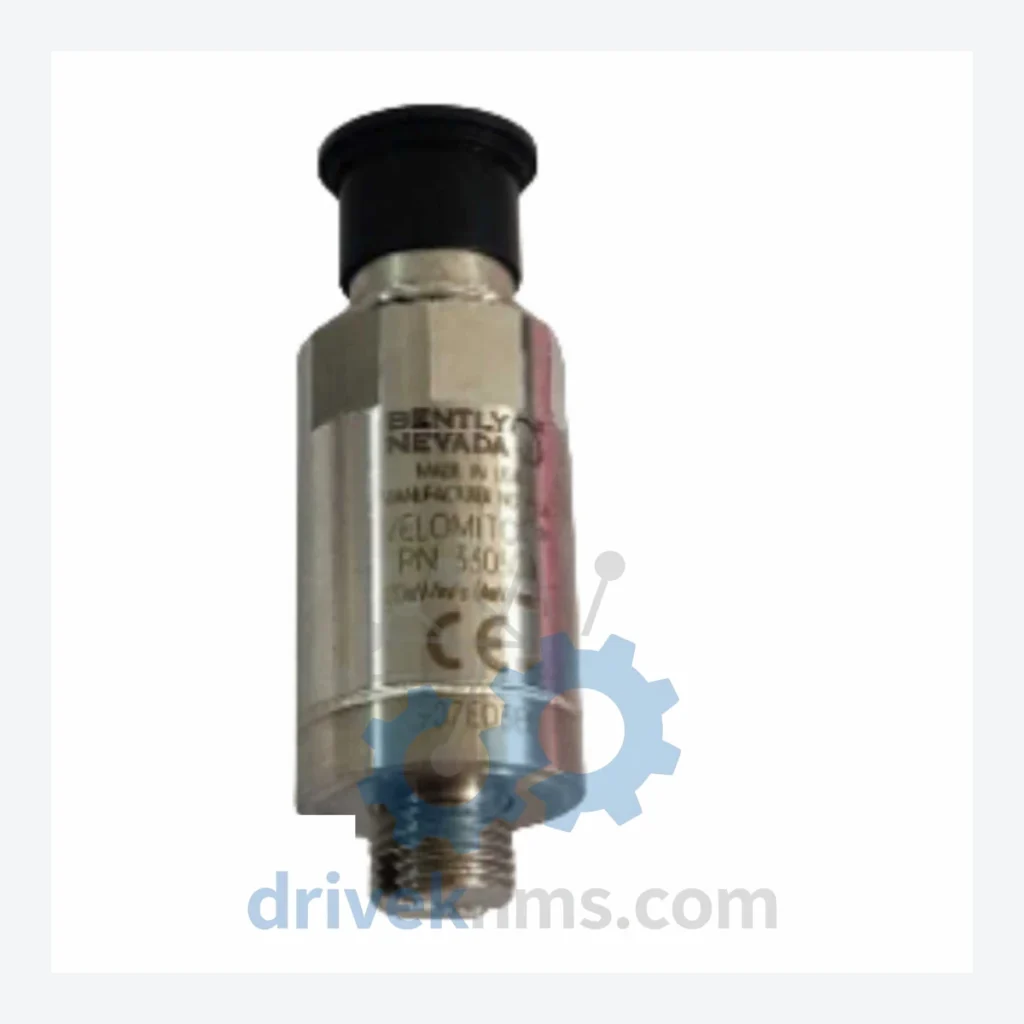
Model: VELOMITOR 330500
Product Overview
Commercial availability is handled through direct RFQ, model verification and export-oriented follow-up rather than public cart checkout.
Datasheet Preview
Use attached product manuals when available. If the manual is not public yet, request the full file directly through RFQ.
Commercial Path
Product pages on DRIVEKNMS are designed to verify model, brand and series first, then move the buyer into one clean quotation path.
Technical Dossier
RFQ support for obsolete parts: Send the model number, required quantity and destination so DriveKNMS can confirm sourcing options before quotation.
| Parameter | Detail |
|---|---|
| Manufacturer | Honeywell (formerly marketed under Bently Nevada channel partnerships) |
| Part Number | 330500 (VELOMITOR series) |
| Sensor Type | Piezo-velocity (integrated electronic piezoelectric) |
| Output Signal | Velocity proportional voltage output |
| Measurement | Casing vibration velocity |
| Mounting | Stud mount, standard industrial thread |
| Product Status | Discontinued / Obsolete – no longer in active production |
| Compatible Systems | Bently Nevada 3300 Series, 3500 Series machinery protection systems; legacy DCS platforms including Honeywell TDC 3000, Experion PKS (legacy I/O racks) |
| Country of Origin | United States |
Note: Electrical parameters not confirmed from official datasheet are intentionally omitted. Contact us for full specification documentation.
The VELOMITOR 330500 was designed as a direct-mount, self-powered piezo-velocity transducer for continuous machinery protection on rotating equipment — compressors, turbines, pumps, and fans. Its signal conditioning is integrated into the sensor body, making it directly compatible with the 4–20 mA and voltage input cards of legacy Bently Nevada 3300 and 3500 rack systems without any intermediate transmitter.
Plants running these rack systems face a specific problem: the 3300 and 3500 platforms are themselves in end-of-life status. Replacing the VELOMITOR 330500 with a modern IEPE accelerometer requires not just a new sensor, but new signal conditioner modules, revised rack I/O configuration, updated System 1 or equivalent software alarm logic, and a full functional safety review. In regulated industries — oil and gas, petrochemical, power generation — that review alone can take 6 to 18 months.
The economic case for sourcing a genuine 330500 replacement is straightforward. A single spare unit extends the operational life of the entire monitoring rack by years. It defers a capital project that competes for budget against production priorities. It keeps the existing alarm philosophy intact, preserving the institutional knowledge embedded in decades of setpoint tuning.
For plant reliability engineers and maintenance managers operating under asset life extension mandates, the 330500 is not a commodity spare. It is a strategic hold on a capital decision worth millions.
DriveKNMS applies a 5-step quality assurance protocol to all obsolete and legacy inventory before dispatch review:
Q: How do I know the unit is genuine and not counterfeit?
A: All units are sourced through documented industrial channels. Physical markings, date codes, and construction details are verified against known-genuine references. We do not source from unverified secondary markets. Full traceability documentation is available on request.
Continue The Model Path
Move from this exact model into the matching system hub, brand archive, model-family archive or lifecycle sourcing route before sending a final RFQ list.
Related Paths
Honeywell XDL505 is listed for Monitoring Systems RFQ review. Confirm quantity, condition and destination before quotation.
Honeywell U2-1018S-PF is listed for Monitoring Systems RFQ review. Confirm quantity, condition and destination before quotation.
Honeywell MC-GHAO11 51309540-175 is listed for Monitoring Systems RFQ review. Confirm quantity, condition and destination before quotation.