
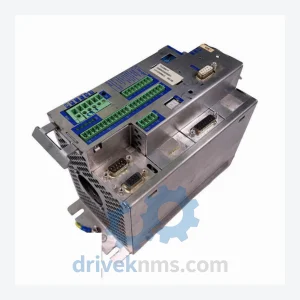
Berger Lahr TLC532F 0063453200001 AC Servo Drive – Obsolete TLC Series Spare Part
Berger Lahr TLC532F 0063453200001 is listed for TLC Series RFQ review. Confirm quantity, condition and destination before quotation.
RFQ-ready industrial model
Model: TLC411F
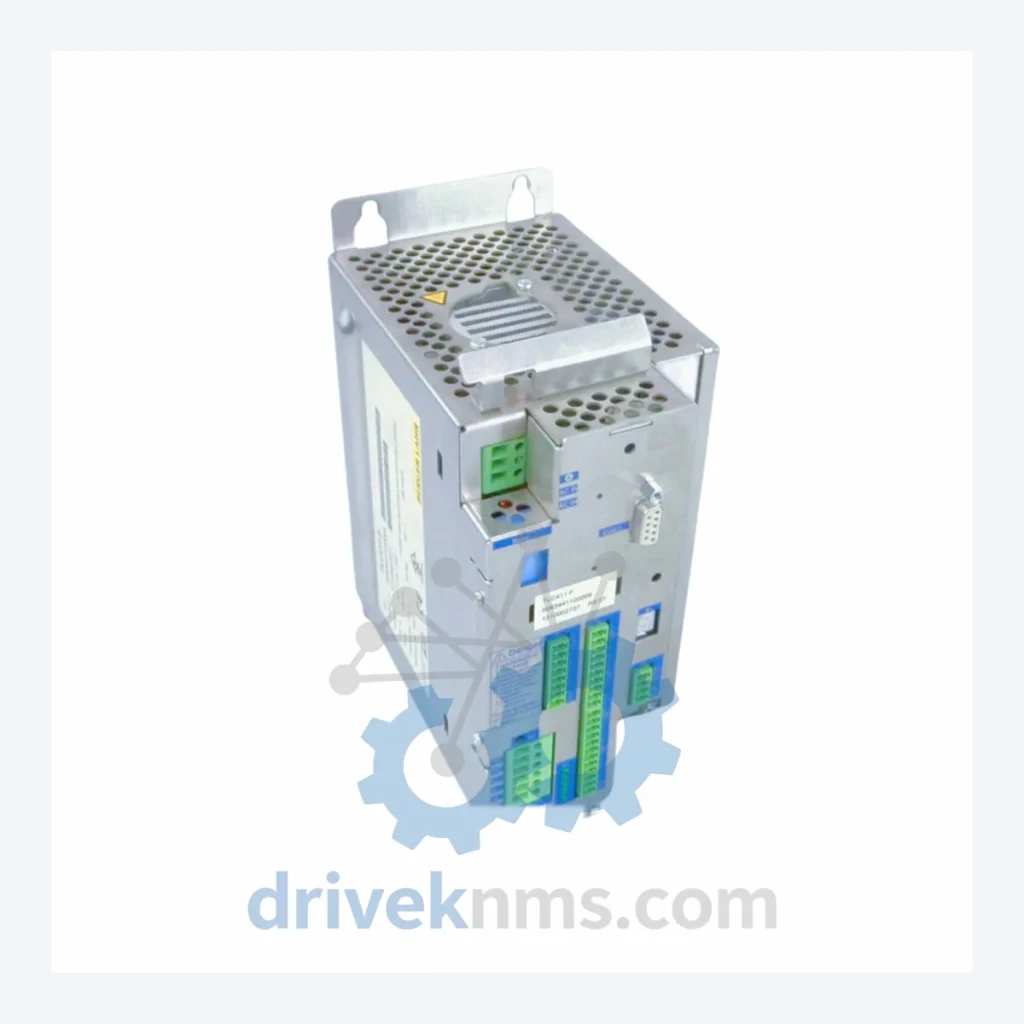
Product Overview
Commercial availability is handled through direct RFQ, model verification and export-oriented follow-up rather than public cart checkout.
Datasheet Preview
Use attached product manuals when available. If the manual is not public yet, request the full file directly through RFQ.
Commercial Path
Product pages on DRIVEKNMS are designed to verify model, brand and series first, then move the buyer into one clean quotation path.
Technical Dossier
RFQ support for obsolete parts: Send the model number, required quantity and destination so DriveKNMS can confirm sourcing options before quotation.
| Parameter | Detail |
|---|---|
| Manufacturer | Berger Lahr (now Schneider Electric) |
| Part Number | TLC411F |
| Series | TLC |
| Product Category | Stepper Motor Control Drive |
| Discontinuation Status | Discontinued – No longer manufactured or supported by OEM |
| Country of Origin | Germany |
| Typical Application | Stepper motor positioning control in legacy automation systems |
| Compatible Systems | Berger Lahr TLC-series stepper motor systems; legacy CNC and packaging line controllers |
Note: Electrical parameters not confirmed from verified datasheets are intentionally omitted. Contact us for documentation support.
The TLC411F was designed as a dedicated stepper motor control drive within Berger Lahr's TLC architecture. In legacy systems — particularly those built around Berger Lahr's own motion controllers or integrated into older Siemens and Mitsubishi PLC environments — this drive communicates via proprietary signal interfaces that have no direct equivalent in current-generation drives. Replacing it with a modern substitute is not a plug-and-swap operation. It requires signal conditioning hardware, firmware-level reconfiguration of the motion controller, and in many cases, mechanical adaptation of the motor mounting. For a factory running three shifts, the engineering window to execute such a retrofit without production impact is narrow and expensive.
The practical alternative is asset protection through verified spare inventory. A confirmed TLC411F unit on the shelf converts a potential catastrophic failure event into a scheduled two-hour maintenance task. For plant managers operating under capital expenditure constraints, this is the lowest-cost path to sustaining production continuity on equipment that still delivers acceptable throughput and has years of mechanical life remaining.
Extending the operational life of a legacy stepper drive system by five to ten years through strategic spare parts management is a documented practice in industries where the cost of full system replacement — including revalidation, operator retraining, and integration testing — exceeds the value of the remaining asset life. The TLC411F, properly maintained and supported by verified spare units, fits this model precisely.
Every TLC411F unit processed through DriveKNMS undergoes a structured five-step quality assessment before it is offered for sale:
Can you source additional units if I need more than one?
Contact us with your quantity requirement. DriveKNMS maintains active sourcing channels for legacy Berger Lahr components and can advise on availability timelines.
Continue The Model Path
Move from this exact model into the matching system hub, brand archive, model-family archive or lifecycle sourcing route before sending a final RFQ list.
Related Paths
Berger Lahr TLC532F 0063453200001 is listed for TLC Series RFQ review. Confirm quantity, condition and destination before quotation.
Berger Lahr TLC636F is listed for TLC Series RFQ review. Confirm quantity, condition and destination before quotation.
Berger Lahr TLC4362D312151 is listed for TLC Series RFQ review. Confirm quantity, condition and destination before quotation.