
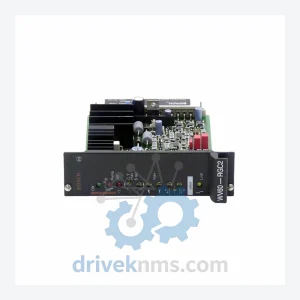
Bosch Rexroth WV60-RGC2
Bosch Rexroth WV60-RGC2 is listed for Monitoring Systems RFQ review. Confirm quantity, condition and destination before quotation.
RFQ-ready industrial model
Model: HCQ02.1E-W0025-A-03-B-L8-1S-D1-D1-NN-FW
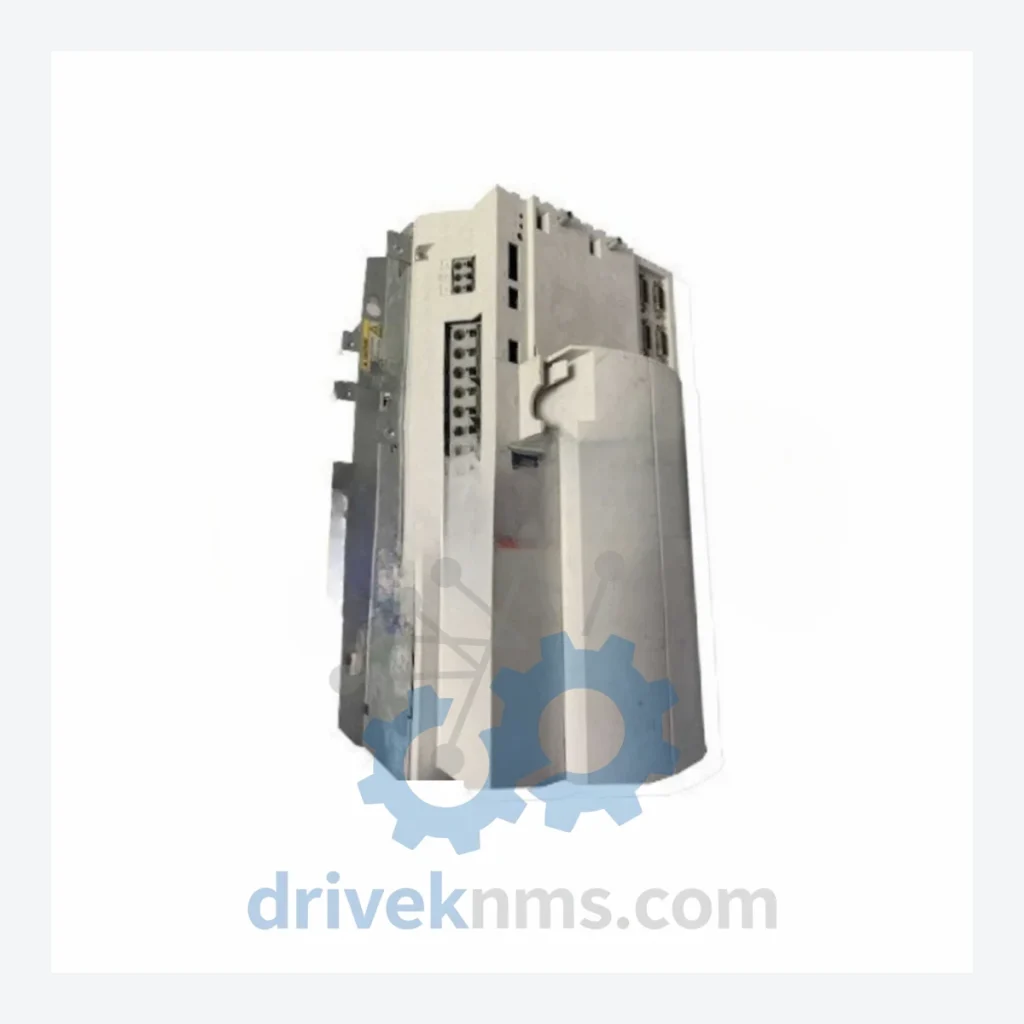
Product Overview
Commercial availability is handled through direct RFQ, model verification and export-oriented follow-up rather than public cart checkout.
Datasheet Preview
Use attached product manuals when available. If the manual is not public yet, request the full file directly through RFQ.
Commercial Path
Product pages on DRIVEKNMS are designed to verify model, brand and series first, then move the buyer into one clean quotation path.
Technical Dossier
RFQ support for obsolete parts: Send the model number, required quantity and destination so DriveKNMS can confirm sourcing options before quotation.
| Parameter | Value |
|---|---|
| Part Number | HCQ02.1E-W0025-A-03-B-L8-1S-D1-D1-NN-FW |
| Brand | Bosch Rexroth |
| Series | HCQ Micro Controls |
| Product Type | AC Servo Drive / Compact Drive Controller |
| Continuous Output Current | 2.5 A (W0025 designation) |
| Supply Voltage | Single-phase / Three-phase AC input (per HCQ series standard) |
| Control Interface | Analog + Digital I/O (per option code A-03) |
| Feedback Type | Encoder (per L8 option) |
| Discontinuation Status | Confirmed Discontinued – No longer manufactured or supported by Bosch Rexroth |
| Country of Origin | Germany |
| Compatible Systems | Bosch Rexroth HCQ Micro Controls platforms; legacy Rexroth motion control architectures |
Note: Electrical parameters are derived from Bosch Rexroth HCQ series nomenclature conventions. Parameters not confirmed by physical documentation are intentionally omitted. Do not substitute based on unverified third-party data.
The HCQ Micro Controls series was designed for compact, high-precision servo applications in machine tools, packaging lines, and automated assembly systems. These drives were deeply integrated into motion control architectures that were engineered around their specific communication protocols, feedback interfaces, and current loop behavior. There is no plug-compatible modern equivalent that does not require engineering intervention.
Factory managers facing the retirement of HCQ-based systems are confronted with a binary choice: absorb the full cost of a platform migration, or maintain the existing system with verified spare parts. The economics are not ambiguous. A single HCQ02.1E-W0025-A-03-B-L8-1S-D1-D1-NN-FW unit, properly sourced and validated, can extend the operational life of an entire production cell by 5 to 10 years — at a fraction of the cost of a forced upgrade.
The strategic approach used by maintenance-focused plant managers is straightforward: identify the single-point-of-failure components in each legacy cell, calculate the replacement cost of those components versus the cost of a full retrofit, and build a controlled spare parts inventory for the components where the math clearly favors maintenance. For HCQ series drives, that calculation almost always favors stocking spares. The drive is the bottleneck. The rest of the machine — motors, mechanical assemblies, sensors — typically has years of remaining service life. Replacing the drive preserves that investment.
Discontinued components carry inherent risk. Age-related degradation is real, and a failed spare is worse than no spare — it consumes time and creates false confidence. Our 5-step QA protocol is designed to surface latent defects before the unit reaches your facility:
Step 1 – Visual and Mechanical Inspection: Full external inspection for physical damage, connector pin corrosion, PCB contamination, and enclosure integrity. Units with compromised connectors or corroded pins are rejected at this stage.
Q: How are RFQ terms confirmed?
A: Quantity, required condition, documentation needs, destination and sourcing route are confirmed during RFQ review before quotation.
Step 3 – Firmware Version Verification: Where accessible, firmware version is documented and cross-referenced against known compatibility requirements for HCQ series applications. Version mismatches that could cause integration issues are disclosed prior to sale.
Step 4 – Functional Power-On Test: The unit is powered under controlled conditions and basic operational parameters are verified. Fault codes, communication response, and output behavior are logged.
Step 5 – Final Documentation and Packaging: Each unit ships with a condition report, test log, and anti-static protective packaging. Traceability documentation is provided on request.
This matters because the alternative — a forced platform migration — requires engineering hours, commissioning time, and a production freeze that no plant manager schedules voluntarily. Maintaining a verified spare eliminates that scenario entirely. The cost of the spare is the insurance premium. The avoided migration cost is the claim.
Q: Can you support multi-unit or repeat RFQ requests?
A: Yes. Send the model list, target quantity and destination so DRIVEKNMS can review sourcing options and quote the requirement as a project RFQ.
Q: How do I know the unit is genuine and not counterfeit?
A: All units are sourced from traceable industrial channels. We do not purchase from unverified brokers. Physical inspection includes label verification, PCB markings, and component-level checks consistent with known genuine HCQ series hardware. Condition reports are provided with each shipment.
Continue The Model Path
Move from this exact model into the matching system hub, brand archive, model-family archive or lifecycle sourcing route before sending a final RFQ list.
Related Paths
Bosch Rexroth WV60-RGC2 is listed for Monitoring Systems RFQ review. Confirm quantity, condition and destination before quotation.
Bosch Rexroth 3402062000 640-34020619XD-1FA 640-34020619XD-2FA is listed for Indramat RFQ review. Confirm quantity, condition and destination before quotation.
Bosch Rexroth R911170436 is listed for IndraDrive RFQ review. Confirm quantity, condition and destination before quotation.