
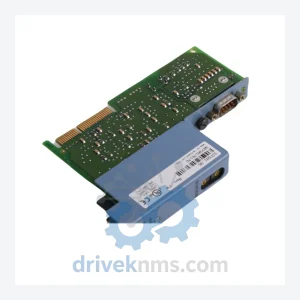
B&R 3IF681.86
B&R IF681 3IF681.86 is listed for Servo Drives RFQ review. Confirm quantity, condition and destination before quotation.
RFQ-ready industrial model
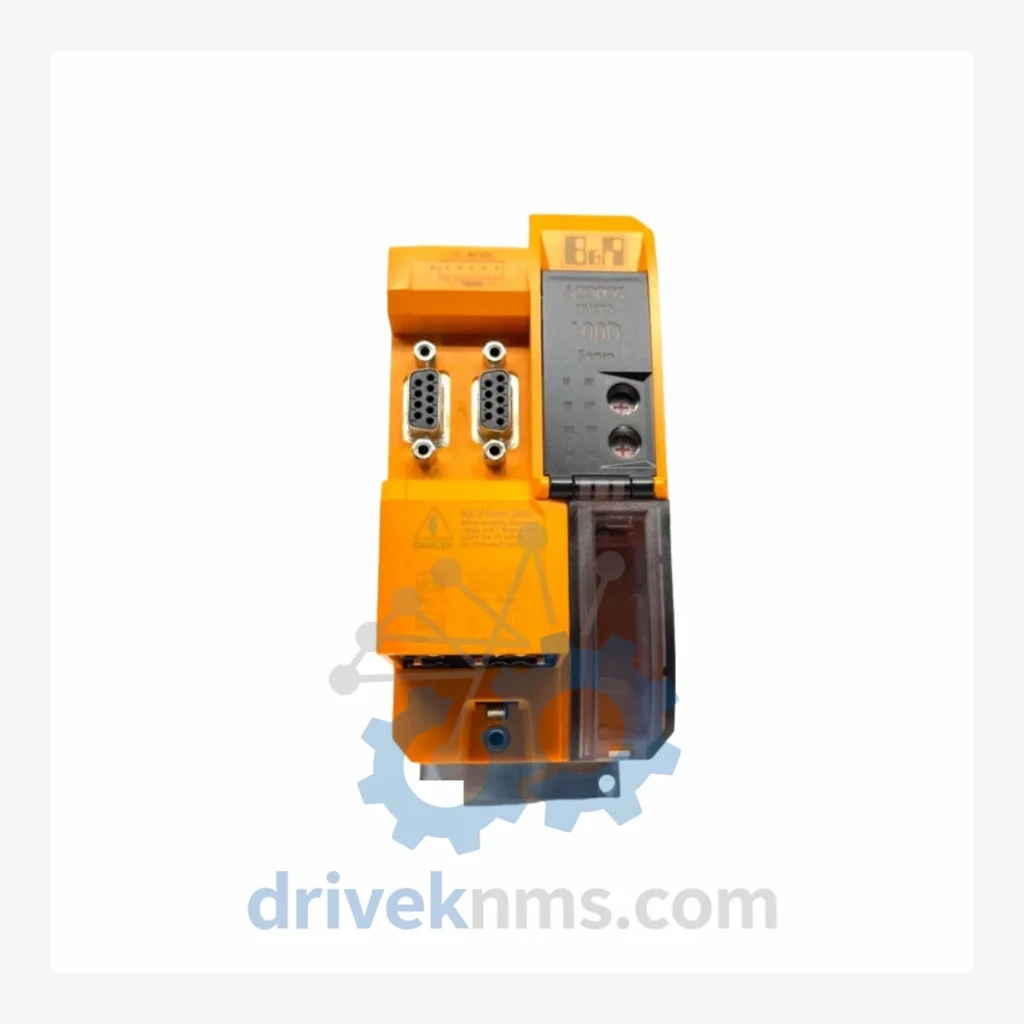
Model: 80VD100PD.C000-01
Product Overview
Commercial availability is handled through direct RFQ, model verification and export-oriented follow-up rather than public cart checkout.
Datasheet Preview
Use attached product manuals when available. If the manual is not public yet, request the full file directly through RFQ.
Commercial Path
Product pages on DRIVEKNMS are designed to verify model, brand and series first, then move the buyer into one clean quotation path.
Technical Dossier
The B&R 80VD series represents a core family of inverter and drive modules within the B&R ACOPOS motion control platform, manufactured in Austria and deployed globally across heavy industrial sectors including petrochemical refineries, nuclear power auxiliary systems, offshore platforms, and continuous-process chemical plants. These modules are engineered for deterministic real-time axis control, integrating tightly with B&R's Automation Runtime (AR) operating system via the POWERLINK industrial Ethernet protocol. The 80VD series occupies the mid-to-high power range of the ACOPOS drive family, making it a standard specification in multi-axis coordinated motion applications where synchronization tolerances are measured in microseconds. Installed base across global heavy industry is substantial, with many facilities operating units commissioned in the 2005–2018 window that remain in active production service.
The 80VD series was introduced as part of B&R's second-generation ACOPOS drive platform, succeeding earlier single-axis modules that lacked integrated bus node intelligence. Early 80VD variants communicated via CAN-based interfaces and required external POWERLINK interface cards. From approximately firmware generation 3.x onward, native POWERLINK V2 support was embedded directly into the drive controller, eliminating the need for separate communication adapters in most topologies. The .C000-01 hardware revision designation (as in 80VD100PD.C000-01) indicates a specific PCB revision level relevant to firmware compatibility — operators must verify revision compatibility before substituting modules in existing installations. Later hardware revisions introduced enhanced thermal management and revised IGBT gate driver circuits, improving reliability in high-ambient-temperature environments. As of 2024, the 80VD series has entered the mature/end-of-active-production phase for several sub-variants. B&R continues to provide firmware support under its long-term maintenance program, but physical module procurement increasingly depends on certified aftermarket suppliers with RFQ-reviewed sourcing status.
The following SKUs represent confirmed members of the B&R 80VD inverter module family, organized by functional category. Each entry reflects a distinct hardware configuration within the series.
Inverter / Drive Modules (Single & Multi-Axis)
Power Supply / Mains Filter Modules
Communication & Interface Modules
The B&R 80VD series presents specific test challenges due to its integrated backplane bus interface and POWERLINK communication stack. DriveKNMS applies a structured test protocol to all 80VD units prior to dispatch. Power stage verification is performed under resistive and inductive load conditions across the full rated current range, with thermal imaging used to identify degraded IGBT modules or compromised gate driver circuits. POWERLINK node communication is validated using a B&R X20 controller test bench running Automation Runtime, confirming correct node address assignment, isochronous data exchange, and error-free cycle operation over a minimum 30-minute soak period. Encoder interface channels are tested against reference signals for both EnDat and SSI protocols. DC bus capacitor ESR is measured and compared against manufacturer tolerance bands; units with capacitor ESR exceeding 120% of nominal specification are recapped before release. Each unit is issued a test record with pass/fail data for all measured parameters.
Continue The Model Path
Move from this exact model into the matching system hub, brand archive, model-family archive or lifecycle sourcing route before sending a final RFQ list.
Related Paths
B&R IF681 3IF681.86 is listed for Servo Drives RFQ review. Confirm quantity, condition and destination before quotation.
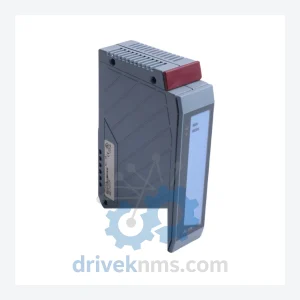
B&R AI775 3AI775.6 is listed for Servo Drives RFQ review. Confirm quantity, condition and destination before quotation.
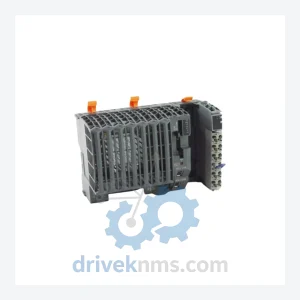
B&R X20CP1586 is listed for X20 Series RFQ review. Confirm quantity, condition and destination before quotation.