
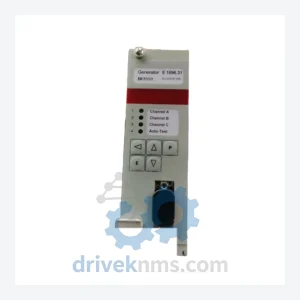
Braun ThermoScan E1697 Series Modules E1697.32
Braun E1697.32 is listed for Monitoring Systems RFQ review. Confirm quantity, condition and destination before quotation.
RFQ-ready industrial model
Model: E1667.011
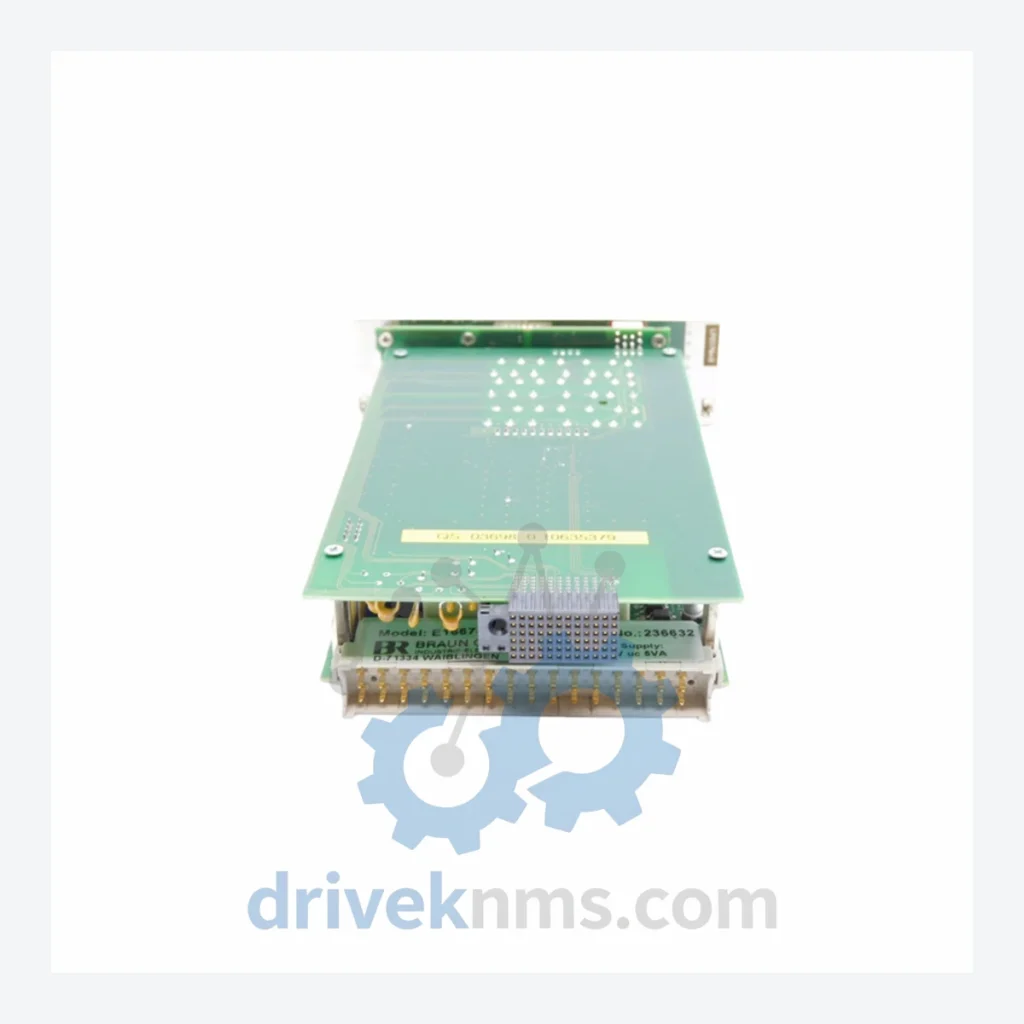
Product Overview
Commercial availability is handled through direct RFQ, model verification and export-oriented follow-up rather than public cart checkout.
Datasheet Preview
Use attached product manuals when available. If the manual is not public yet, request the full file directly through RFQ.
Commercial Path
Product pages on DRIVEKNMS are designed to verify model, brand and series first, then move the buyer into one clean quotation path.
Technical Dossier
RFQ support for obsolete parts: Send the model number, required quantity and destination so DriveKNMS can confirm sourcing options before quotation.
Note: Electrical parameters not published here to prevent misapplication. Confirmed specifications are provided upon request alongside your system documentation review.
Protection monitoring modules occupy a non-negotiable position in safety-critical automation architectures. The E1667.011 performs continuous supervision of downstream protection circuits — a function that cannot simply be bypassed or emulated by a generic relay block without triggering a full safety re-validation process under IEC 61508 or equivalent standards.
For plant managers operating facilities built on Braun legacy platforms, the discontinuation of this module creates a compounding risk: every operational year without a verified spare on the shelf is a year closer to an unplanned shutdown with no recovery path. The cost calculus is straightforward. A single E1667.011 sourced today represents a fraction of one hour of lost production on most industrial lines. A forced platform migration, by contrast, typically requires 12–24 months of engineering work and capital expenditure that rarely falls below seven figures for a mid-scale facility.
DriveKNMS specializes in locating, verifying, and supplying exactly these components — parts that OEM channels stopped stocking years ago but that remain operationally irreplaceable in installed base equipment.
Factory management teams facing system retirement pressure from corporate or from OEM end-of-support notices have a documented alternative: structured legacy maintenance programs built around verified spare parts reserves. The following approach has been applied successfully across petrochemical, automotive, and discrete manufacturing environments:
3. Controlled storage. Obsolete electronic modules require climate-controlled storage (typically 15–25°C, <60% RH) and anti-static packaging. Improper storage of a spare part is operationally equivalent to having no spare at all.
4. Firmware and revision control. Before purchasing any obsolete module, confirm the hardware revision matches your installed units. Mixed revisions in protection monitoring applications can produce subtle behavioral differences that only manifest under fault conditions.
5. Scheduled functional verification. Rotate spare modules through a bench-test cycle every 24–36 months. Electrolytic capacitors in modules stored beyond 5 years without power cycling may require re-forming before installation.
Executed correctly, this program extends the viable service life of a legacy Braun control system by 5–10 years — deferring capital expenditure to a point where replacement technology is more mature and migration costs are lower.
Every E1667.011 unit supplied by DriveKNMS passes a structured 5-stage inspection protocol before dispatch:
Stage 1 – Visual and mechanical inspection. Full examination of housing integrity, connector pin condition, and PCB surface for corrosion, burn marks, or physical damage. Units with pin corrosion beyond surface oxidation are rejected at this stage.
Stage 2 – Electrolytic capacitor assessment. Capacitors are the primary age-related failure mode in modules of this generation. Each unit is assessed for capacitor bulging, electrolyte leakage, and ESR deviation. Units showing capacitor degradation are either recapped by qualified technicians or rejected.
Q: How are RFQ terms confirmed?
A: Quantity, required condition, documentation needs, destination and sourcing route are confirmed during RFQ review before quotation.
Stage 4 – Functional bench test. Where test fixtures are available for the module type, units are powered and exercised through their primary operating states. Results are logged.
Stage 5 – Anti-static packaging and documentation. Units are packaged in ESD-safe materials with a condition report. Traceability documentation is included where available.
The E1667.011 is a direct drop-in replacement for the original installed position. No hardware modification, no re-engineering of the control cabinet, and no reprogramming of the host controller is required. This is the defining advantage of sourcing the correct obsolete part versus pursuing a modern substitute:
Q: How is condition confirmed before quotation?
A: Available condition, photos, test records and documentation are checked according to the requested model and sourcing channel before a formal RFQ response.
Q: Can you support multi-unit or repeat RFQ requests?
A: Yes. Send the model list, target quantity and destination so DRIVEKNMS can review sourcing options and quote the requirement as a project RFQ.
Continue The Model Path
Move from this exact model into the matching system hub, brand archive, model-family archive or lifecycle sourcing route before sending a final RFQ list.
Related Paths
Braun E1697.32 is listed for Monitoring Systems RFQ review. Confirm quantity, condition and destination before quotation.
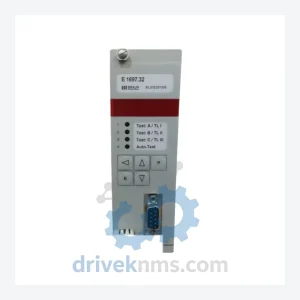
Braun 1697.32 is listed for Monitoring Systems RFQ review. Confirm quantity, condition and destination before quotation.
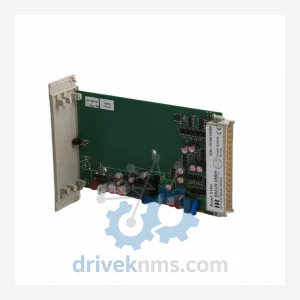
Braun E1667.211 is listed for SIL3 Series RFQ review. Confirm quantity, condition and destination before quotation.