
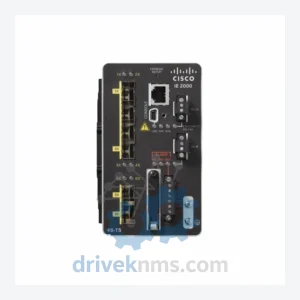
Cisco IE-2000-4TS-B Industrial Ethernet Switch – IE 2000 Series
Cisco IE-2000-4TS-B is listed for IE 2000 Series RFQ review. Confirm quantity, condition and destination before quotation.
RFQ-ready industrial model
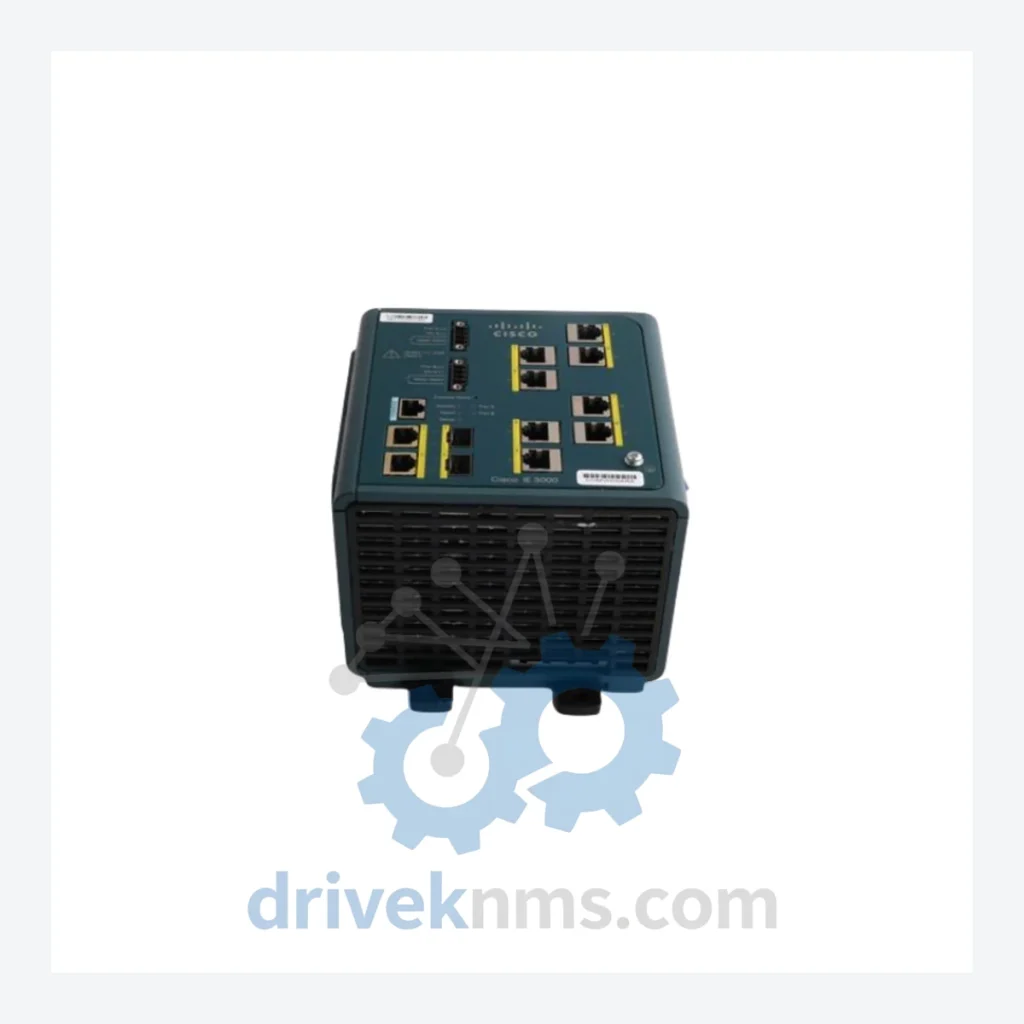
Model: IE-3000-8TC-E
Product Overview
Commercial availability is handled through direct RFQ, model verification and export-oriented follow-up rather than public cart checkout.
Datasheet Preview
Use attached product manuals when available. If the manual is not public yet, request the full file directly through RFQ.
Commercial Path
Product pages on DRIVEKNMS are designed to verify model, brand and series first, then move the buyer into one clean quotation path.
Technical Dossier
The Cisco IE-3000 Series Industrial Ethernet Switches are purpose-built for deployment in harsh industrial environments, including petrochemical plants, nuclear power facilities, oil refineries, water treatment infrastructure, and heavy manufacturing floors. Designed to IEEE 802.3 standards with extended operating temperature ranges (−40°C to +70°C), the IE-3000 platform delivers managed Layer 2 switching with IEC 61850-3 and IEEE 1613 compliance — the baseline certifications required for substation automation and process control networks.
The IE-3000 Series was introduced by Cisco as a successor to earlier fixed-configuration industrial switches, consolidating managed switching capability into a compact, DIN-rail-mountable chassis. The architecture is built around a non-blocking switching fabric with hardware-based QoS, supporting up to 8 copper Fast Ethernet ports with optional fiber uplinks via Small Form-Factor Pluggable (SFP) slots.
Early IE-3000 deployments relied on Cisco IOS 12.2(52)SE and later 12.2(55)SE train releases, which introduced PROFINET-aware LLDP extensions and PRP/HSR ring redundancy protocol support — critical for IEC 62439-3 compliance in power utility networks. Subsequent IOS releases added IEEE 802.1AS precision time protocol (PTP) support, enabling time-sensitive network (TSN) applications in motion control environments.
The IE-3000 platform is not compatible with Cisco IOS XE. Customers migrating to modern Cisco Catalyst IE3x00 or IE3400 Series switches must account for CLI syntax differences, feature parity gaps in PROFINET IO device emulation, and physical form factor changes. The IE-3000 uses a proprietary expansion module slot (IE-3000-IEM series) that is not forward-compatible with successor platforms.
Compatibility note: IE-3000 switches require Cisco Network Assistant (CNA) or CiscoWorks LAN Management Solution for legacy management workflows. Integration with Cisco DNA Center is not supported.
The following SKUs represent the verified production catalog of the Cisco IE-3000 Series. Models are classified by port configuration, uplink type, and expansion capability.
Base Switch Units — Copper Fast Ethernet
Base Switch Units — Fiber Fast Ethernet
Expansion Interface Modules (IEM) — IE-3000-IEM Series
Power Supplies & Accessories
Software Licenses
The Cisco IE-3000 Series reached End-of-Sale on October 30, 2016, and End-of-Support on October 31, 2021. Cisco's Last Day of Support has passed, meaning TAC case submission, IOS software updates, and hardware replacement programs through Cisco are no longer available for this platform.
IE-3000 Series units undergo a structured multi-stage inspection and functional test protocol prior to shipment from DriveKNMS facilities.
Stage 1 — Physical Inspection: Chassis integrity check, port connector condition assessment, DIN-rail clip and mounting hardware verification, label and serial number authentication against Cisco's published serial format database.
Stage 2 — Power-On and Boot Verification: Unit is powered via PWR-IE50W-AC or PWR-IE65W-PC-AC reference supply. Boot sequence is logged to confirm IOS image integrity, ROMMON version, and absence of configuration corruption. Units failing POST (Power-On Self-Test) are quarantined.
Stage 3 — Port-Level Functional Test: All copper 10/100 ports are tested for auto-negotiation, duplex, and VLAN tagging using RFC 2544 traffic generation. SFP slots are tested with 100BASE-FX and 1000BASE-SX transceivers. PoE ports (where applicable) are load-tested at 100% rated wattage.
Stage 4 — Backplane and Expansion Module Test: IEM expansion modules are seated and verified for recognition by IOS. Inter-module traffic is stress-tested at line rate across the switching fabric to confirm backplane bus integrity — a critical step given the age-related connector wear common in field-returned IE-3000 units.
Stage 5 — IOS Version Verification and Configuration Wipe: IOS version is confirmed and documented. Running configuration is wiped to factory default. Unit is resealed and packaged with ESD protection for shipment.
Continue The Model Path
Move from this exact model into the matching system hub, brand archive, model-family archive or lifecycle sourcing route before sending a final RFQ list.
Related Paths
Cisco IE-2000-4TS-B is listed for IE 2000 Series RFQ review. Confirm quantity, condition and destination before quotation.
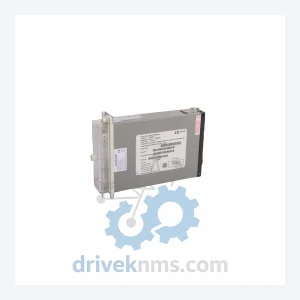
Alstom MVAJ105RA0802A is listed for MiCOM Series RFQ review. Confirm quantity, condition and destination before quotation.
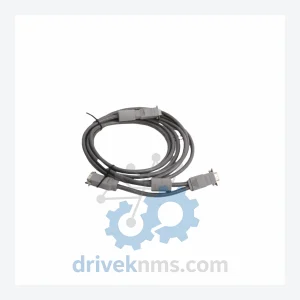
Moore 16137-174 is listed for Servo Drives RFQ review. Confirm quantity, condition and destination before quotation.