
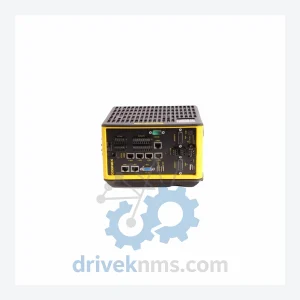
Cognex VC7L-ASSY-420-0001 Vision System Controller – In-Sight Series
Cognex VC7L-ASSY-420-0001 is listed for In-Sight Series RFQ review. Confirm quantity, condition and destination before quotation.
RFQ-ready industrial model
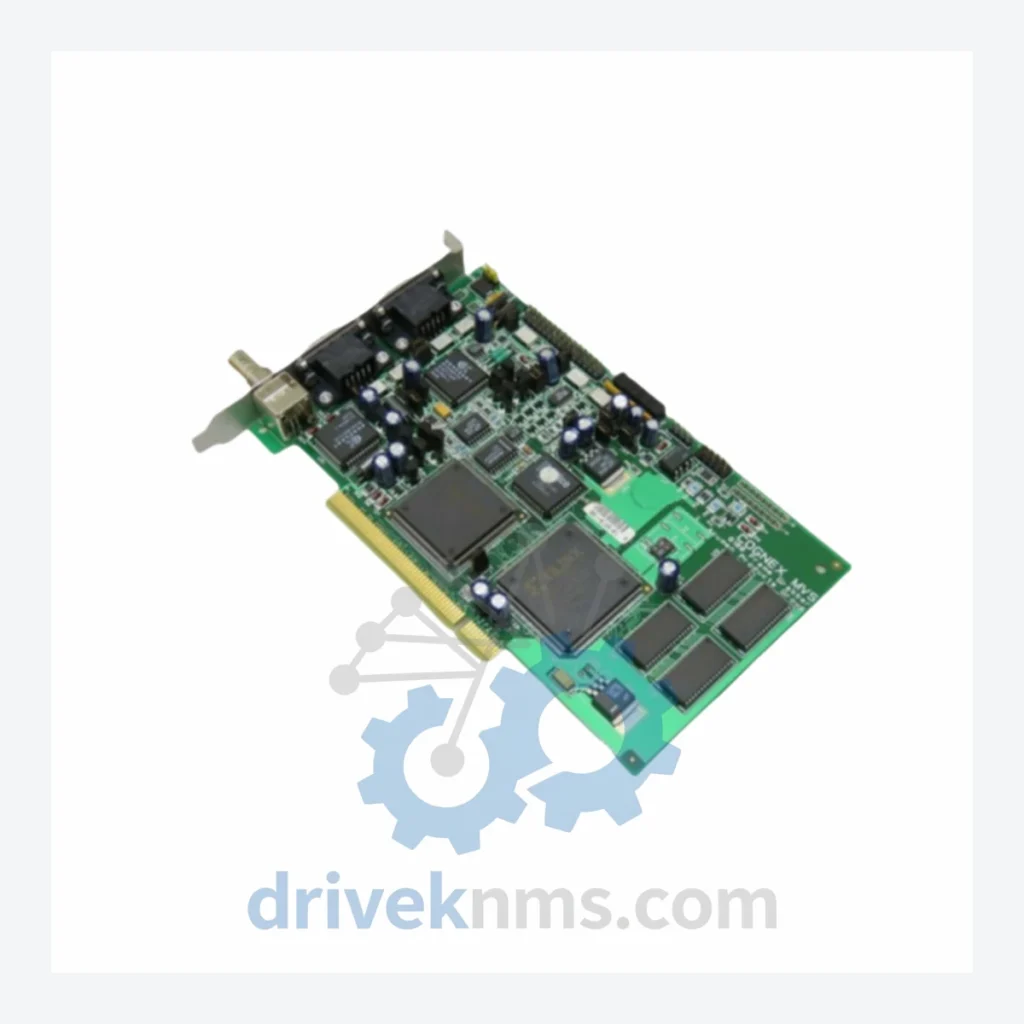
Model: VPM-8100Q-000
Product Overview
Commercial availability is handled through direct RFQ, model verification and export-oriented follow-up rather than public cart checkout.
Datasheet Preview
Use attached product manuals when available. If the manual is not public yet, request the full file directly through RFQ.
Commercial Path
Product pages on DRIVEKNMS are designed to verify model, brand and series first, then move the buyer into one clean quotation path.
Technical Dossier
RFQ support for obsolete parts: Send the model number, required quantity and destination so DriveKNMS can confirm sourcing options before quotation.
The Cognex VPM-8100Q-000 was a core component in machine vision inspection systems deployed across automotive body shops, electronics PCB assembly lines, and pharmaceutical blister-pack verification stations throughout the late 1990s and 2000s. These systems were engineered for 20-year service lives, and many remain in active production today — not because operators are unaware of newer alternatives, but because the cost and risk of replacing a validated, stable inspection platform far outweighs the cost of maintaining it with genuine spare parts.
The practical reality for plant engineering teams is this: a Cognex vision system that has been calibrated, validated, and integrated into a PLC-controlled line represents years of institutional knowledge embedded in its configuration. Replacing that system means rebuilding that knowledge from scratch. A single VPM-8100Q-000 card, sourced and installed correctly, can defer that capital project by five to ten years — at a fraction of the cost.
Every VPM-8100Q-000 unit processed by DriveKNMS passes a five-stage inspection protocol before it is offered for sale. This protocol was developed specifically for discontinued industrial electronics where age-related degradation — not physical damage — is the primary failure mode.
Stage 1 – Visual and Mechanical Inspection: Full examination of the PCB surface, edge connector, and component mounting for physical damage, corrosion, or evidence of prior repair attempts.
Stage 2 – Electrolytic Capacitor Assessment: Electrolytic capacitors are the most common failure point in cards of this age. Each unit is inspected for capacitor bulging, electrolyte leakage, and ESR (equivalent series resistance) deviation. Units with degraded capacitors are either recapped with matched-specification components or rejected.
Stage 3 – Firmware and Configuration Verification: Where applicable, firmware version is confirmed and documented. Units are not shipped with unknown or corrupted firmware states.
Stage 4 – Pin and Connector Integrity Check: All edge connector pins and I/O interfaces are inspected for oxidation, bending, and contact resistance. Corroded contacts are treated and re-tested; units that cannot be restored to specification are rejected.
Stage 5 – Functional Burn-In Test: Units are powered and operated under load for a defined period to screen for latent failures before dispatch review.
Drop-in replacement compatibility: The VPM-8100Q-000 is a direct hardware replacement for the original card in supported Cognex vision controller chassis. No hardware modification to the host system is required.
No software reconfiguration required: Because the card maintains the same hardware identity as the original, existing Cognex software configurations, inspection programs, and calibration data remain valid. There is no requirement to re-teach the vision system or re-validate inspection parameters.
Avoids engineering rework costs: Substituting a non-original capture card — or migrating to a different vision platform — requires engineering hours for integration, software porting, and re-validation. A genuine VPM-8100Q-000 replacement eliminates that cost entirely.
Preserves production continuity: For lines running validated inspection processes (ISO, IATF, FDA-regulated environments), maintaining the original hardware platform avoids the re-validation cycle that a platform change would trigger.
Continue The Model Path
Move from this exact model into the matching system hub, brand archive, model-family archive or lifecycle sourcing route before sending a final RFQ list.
Related Paths
Cognex VC7L-ASSY-420-0001 is listed for In-Sight Series RFQ review. Confirm quantity, condition and destination before quotation.
Cognex VPM-8100LS-000 is listed for PatMax Series RFQ review. Confirm quantity, condition and destination before quotation.
Cognex VPM-8120X-5061-P is listed for Series VPM RFQ review. Confirm quantity, condition and destination before quotation.