
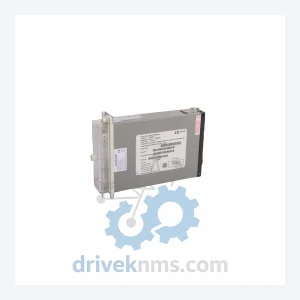
ALSTOM MVAJ105RA0802A Protection Relay – MiCOM Series
Alstom MVAJ105RA0802A is listed for MiCOM Series RFQ review. Confirm quantity, condition and destination before quotation.
RFQ-ready industrial model
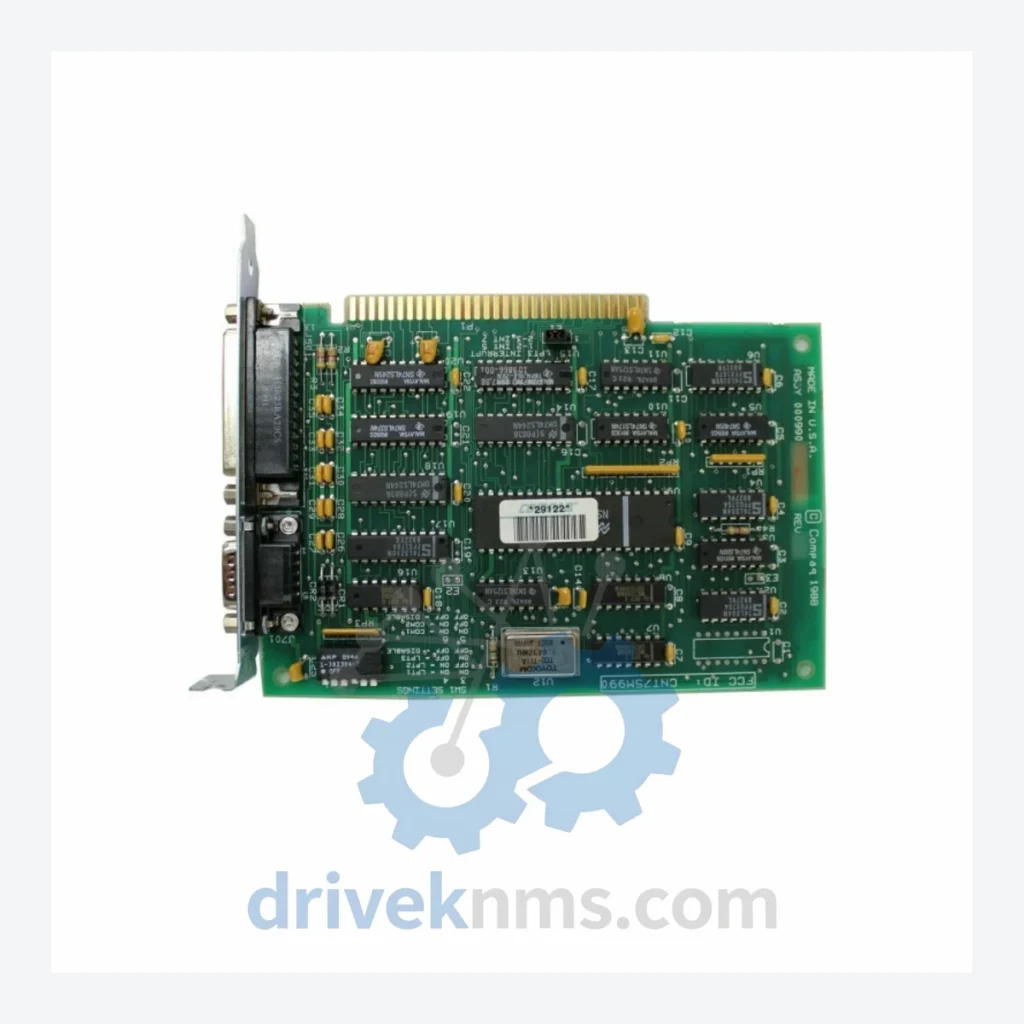
Model: IO SPIN-G TKB7240 TOC-820/230V 0040-32289
Product Overview
Commercial availability is handled through direct RFQ, model verification and export-oriented follow-up rather than public cart checkout.
Datasheet Preview
Use attached product manuals when available. If the manual is not public yet, request the full file directly through RFQ.
Commercial Path
Product pages on DRIVEKNMS are designed to verify model, brand and series first, then move the buyer into one clean quotation path.
Technical Dossier
DriveKNMS maintains sourced inventory of hard-to-find discontinued industrial components. This listing represents a genuine opportunity to secure continuity for a system that your facility has already paid to integrate, validate, and operate.
RFQ support for obsolete parts: Send the model number, required quantity and destination so DriveKNMS can confirm sourcing options before quotation.
Note: Electrical parameters beyond those listed above are not independently verified. DriveKNMS does not publish unconfirmed specifications. Contact us for datasheet support.
The COMPAQ SPIN-G platform was deployed extensively in industrial PC-based control environments during the late 1990s and early 2000s. The TKB7240 I/O board served as the primary interface layer between the host controller and field-level I/O signals in these systems. Its role is not peripheral — it is structural.
Facilities running legacy COMPAQ SPIN-G or TOC-820 chassis-based systems face a specific and well-documented problem: the control architecture is deeply embedded in validated production processes. Replacing it is not a matter of swapping hardware. It requires re-validation of process parameters, re-certification of safety interlocks, and in regulated industries, re-submission of documentation to compliance bodies. The engineering cost alone frequently exceeds the capital cost of the new hardware.
The practical answer for plant engineering and maintenance managers is straightforward: source verified spare boards, establish a small strategic inventory, and extend the operational life of the existing system by 5 to 10 years. This approach defers the upgrade cost to a planned capital cycle rather than forcing an emergency expenditure during a production crisis.
DriveKNMS specializes in exactly this scenario. We source, inspect, and supply discontinued industrial components to facilities that have made the rational decision to protect their existing automation investment.
For plant managers and maintenance engineers facing system retirement pressure, the following strategy has been applied successfully across process industries, discrete manufacturing, and utilities:
1. Conduct a critical spares audit. Identify every board, module, and card in your legacy system that has no current-production equivalent. Prioritize by failure impact — boards that would halt production entirely rank highest.
3. Document your current firmware and configuration state. Before any board swap, capture the current firmware version and all configuration parameters. This eliminates re-commissioning uncertainty when a replacement is installed.
4. Schedule preventive inspection cycles. Legacy I/O boards degrade predictably. Electrolytic capacitor aging, connector oxidation, and PCB trace fatigue are the primary failure modes. A structured inspection every 18–24 months identifies boards approaching end of service life before they fail in production.
5. Negotiate a long-term supply agreement. If your facility operates multiple units of the same legacy system, contact DriveKNMS to discuss reserved inventory arrangements. Locking in RFQ-reviewed sourcing status now, while it is available, is materially cheaper than emergency sourcing during a production stoppage.
Every COMPAQ IO SPIN-G TKB7240 board supplied by DriveKNMS passes a structured 5-step quality process before dispatch review:
Step 1 – Visual and Physical Inspection: Full board inspection for physical damage, PCB delamination, burnt components, and mechanical integrity of connectors and mounting hardware.
Step 2 – Electrolytic Capacitor Assessment: Capacitors are the primary age-related failure point on boards of this generation. Each unit is assessed for capacitor bulging, leakage, and ESR deviation. Boards with degraded capacitors are either recapped or removed from inventory.
Step 3 – Connector and Pin Integrity Check: All edge connectors and pin headers are inspected for oxidation, corrosion, and mechanical deformation. Contact surfaces are cleaned where required.
Step 4 – Firmware Version Verification: Where firmware is embedded on the board, the version is documented and disclosed to the buyer prior to shipment. No undisclosed firmware modifications are made.
Drop-in replacement: The TKB7240 is a direct hardware replacement for the original board position in the TOC-820 chassis. No mechanical modification to the host system is required.
No reprogramming required: The I/O board does not carry application-level programming. Replacement does not require re-loading PLC logic or reconfiguring the host controller, provided the replacement board carries the same firmware revision.
Avoids engineering reconstruction costs: Using a verified spare eliminates the need to engage system integrators for hardware re-engineering, re-wiring, or re-validation — costs that routinely reach five to six figures for legacy automation systems.
Q: How do I know the board is genuine and not counterfeit?
A: All boards are sourced through documented supply channels. Part markings, board revision codes, and serial number formats are verified against known-good references. We do not source from unverified brokers. Provenance documentation is available on request.
Q: What if the board I receive does not resolve my fault?
A: Our technical team will work with you to diagnose whether the fault is board-level or system-level before dispatch review where possible. If a verified replacement board does not resolve a confirmed board-level fault, we will work with you on a resolution — contact us directly.
Q: Can export requirements be reviewed?
A: Destination, documentation and routing requirements are confirmed during RFQ review.
Continue The Model Path
Move from this exact model into the matching system hub, brand archive, model-family archive or lifecycle sourcing route before sending a final RFQ list.
Related Paths
Alstom MVAJ105RA0802A is listed for MiCOM Series RFQ review. Confirm quantity, condition and destination before quotation.
Moore 16137-174 is listed for Servo Drives RFQ review. Confirm quantity, condition and destination before quotation.
Fuji Electric EP-3364B-CA-Z2 is listed for FRENIC Series RFQ review. Confirm quantity, condition and destination before quotation.