
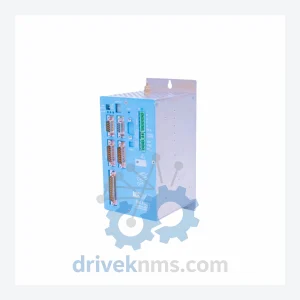
ACS SB1381 Modules: SB1381-C-E-R-A
ACS Motion Control SB1381 Series: Comprehensive Module Range and Technical Overview The ACS Motion Control SB1381 series represents a high-density,…
Model: SP+SAR-LT-4E
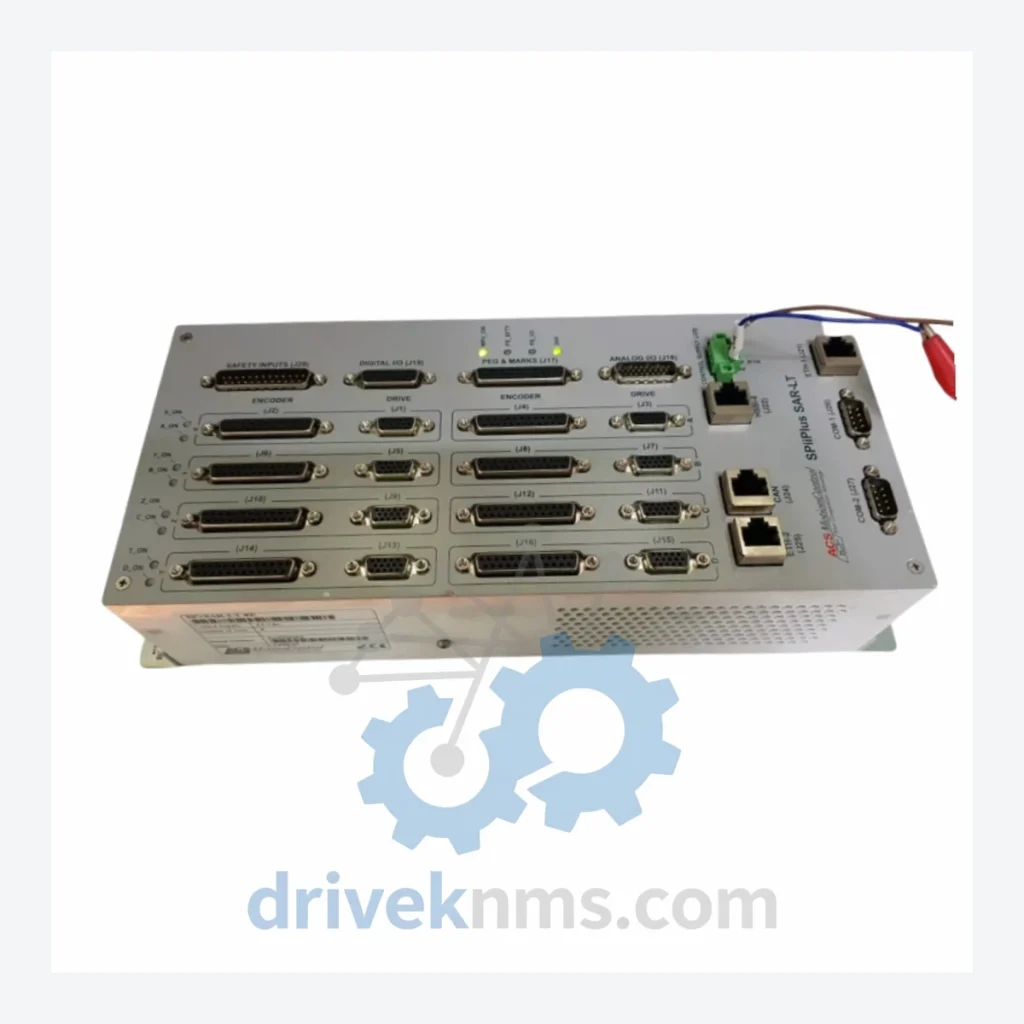
Product Overview
Commercial availability is handled through direct RFQ, model verification and export-oriented follow-up rather than public cart checkout.
Datasheet Preview
Use attached product manuals when available. If the manual is not public yet, request the full file directly through RFQ.
Commercial Path
Product pages on DRIVEKNMS are designed to verify model, brand and series first, then move the buyer into one clean quotation path.
Technical Dossier
The ACS Motion Control SP+ series represents a high-density, multi-axis motion controller platform deployed across global heavy industry sectors including petrochemical processing plants, semiconductor fabrication facilities, nuclear research installations, and precision machine tool manufacturing. The SP+ architecture is built around a modular, scalable backplane that supports simultaneous multi-axis coordinated motion, real-time EtherCAT communication, and deterministic trajectory generation. Its installed base spans thousands of systems across North America, Europe, and Asia-Pacific, making it one of the most widely referenced platforms in the industrial automation spare parts market.
ACS Motion Control introduced the SP+ platform as the successor to its earlier SPiiPlus family, consolidating motion, I/O, and communication functions into a unified, EtherCAT-native controller architecture. Early SP+ variants relied on proprietary SERCOS and analog ±10V drive interfaces. Subsequent generations integrated native EtherCAT master capability, enabling direct connection to third-party servo drives without intermediate gateways. The SAR sub-series (Stand-Alone with Real-time expansion) introduced dedicated real-time Ethernet ports and expanded axis counts per node, addressing the demand for tighter synchronization in multi-robot and gantry applications. The LT designation within the SAR line indicates a compact form-factor variant optimized for space-constrained cabinet installations while retaining full software compatibility with the broader SP+ ecosystem. Compatibility across SP+ generations is maintained at the software level through ACS's ACSPL+ programming environment and the SPiiPlus MMI Application Studio, ensuring that programs written for earlier SP+ nodes can be migrated to current hardware with minimal modification. Legacy variants using older firmware branches (pre-v2.x) may require firmware upgrade procedures before integration with modern EtherCAT topologies.
The following SKUs represent verified, commonly sourced models within the ACS SP+ and SPiiPlus platform family. Models are classified by functional category.
Stand-Alone Real-Time Controllers (SAR Series)
Modular Expansion Controllers (UDMnt / UDMsd Series)
I/O Expansion Modules
Communication & Network Adapters
Power Supply Modules
Several SP+ and SPiiPlus variants have reached end-of-sale status as ACS Motion Control has transitioned its product roadmap toward the EtherCAT-native SPiiPlusSC and CDHD2 drive platforms. DriveKNMS maintains a dedicated inventory of discontinued SP+ modules, including early SAR variants, legacy UDMnt axis modules, and first-generation I/O expansion cards. For end-users operating SP+-based systems in long-lifecycle environments — including nuclear instrumentation, aerospace test rigs, and continuous-process chemical plants — DriveKNMS provides lifecycle extension support through verified refurbished units, functional equivalents, and cross-reference sourcing. All obsolete units are sourced from decommissioned OEM systems or authorized surplus channels and are subject to full functional validation before dispatch. Customers requiring long-term supply agreements for SP+ spare parts are encouraged to contact DriveKNMS to discuss consignment stocking and priority allocation programs.
The SP+ platform's multi-layer architecture — combining real-time DSP processing, EtherCAT ASIC communication, and high-density I/O backplane interfaces — requires a structured, multi-stage test protocol to validate module integrity before redeployment. DriveKNMS applies the following procedures to all SP+ units processed through its facility:
Related Paths
ACS Motion Control SB1381 Series: Comprehensive Module Range and Technical Overview The ACS Motion Control SB1381 series represents a high-density,…
ACS Motion SP+SAR-8-E-M0 Stand-Alone Motion Controller – Obsolete SPiiPlus Spare Part When the SP+SAR-8-E-M0 motion controller fails in a live…
ACS SPiiPlusSAnt-HP-4-E-M0 Motion Controller – Obsolete SPiiPlus Spare Part When a motion controller fails on a production line built around…