
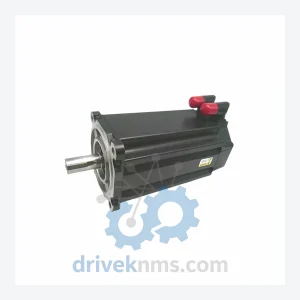
Allen-Bradley MPL-B540K-MJ74AA Servo Motor – Obsolete MPL Series Spare Part
Allen-Bradley MPL-B540K-MJ74AA Servo Motor – Obsolete MPL Series Spare Part When an MPL-B540K-MJ74AA servo motor fails on a Kinetix-driven production…
Model: 1762-IF2OF2
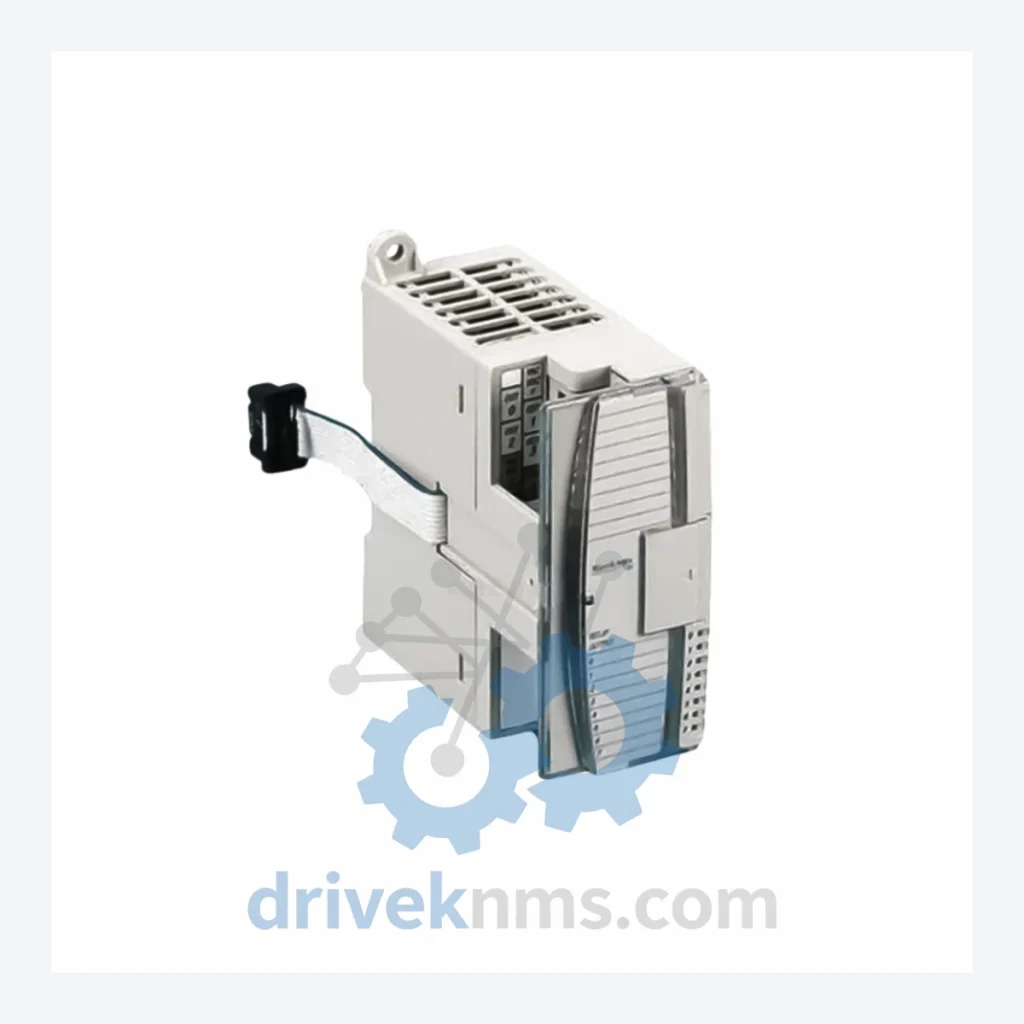
Product Overview
Commercial availability is handled through direct RFQ, model verification and export-oriented follow-up rather than public cart checkout.
Datasheet Preview
Use attached product manuals when available. If the manual is not public yet, request the full file directly through RFQ.
Commercial Path
Product pages on DRIVEKNMS are designed to verify model, brand and series first, then move the buyer into one clean quotation path.
Technical Dossier
The Allen-Bradley 1762 series — marketed under the MicroLogix 1100 and MicroLogix 1400 expansion I/O platform — represents Rockwell Automation's standardized compact I/O architecture for small-to-mid-scale discrete and analog control applications. Deployed across petrochemical processing units, water treatment facilities, pharmaceutical batch lines, and light manufacturing cells globally, the 1762 expansion bus has accumulated a substantial installed base since its introduction in the early 2000s. In heavy industrial environments including offshore platforms, refinery skid packages, and nuclear auxiliary systems, 1762-series modules are frequently found in legacy control panels where replacement-in-kind is the only viable maintenance strategy due to panel space constraints and validated control logic dependencies.
The 1762 expansion I/O platform was introduced as a direct companion to the MicroLogix 1100 (catalog 1763-L16xxx) and later the MicroLogix 1400 (catalog 1766-L32xxx), both of which use a proprietary side-bus connector to chain expansion modules without a separate backplane rack. This bus-based architecture differs fundamentally from the rack-and-slot designs of the SLC 500 (1746 series) and ControlLogix (1756 series) platforms.
Early 1762 modules (circa 2002–2006) were limited to 4- and 8-point discrete I/O configurations. The platform expanded through 2008–2014 to include analog combo modules (such as the 1762-IF2OF2), RTD/thermocouple input modules, and high-speed counter interfaces. By 2015, Rockwell Automation had effectively frozen the 1762 product line, with no new module types introduced. The MicroLogix platform entered its end-of-life transition phase, with Rockwell recommending migration to the Micro800 family (2080 series) for new designs. However, the 1762 bus is electrically and mechanically incompatible with Micro800 expansion I/O, making direct module substitution impossible. This incompatibility has created sustained demand for original 1762 spare parts in the aftermarket.
Analog I/O Modules
Discrete Input Modules
Discrete Output Modules
Combination & Specialty Modules
The 1762 series entered Rockwell Automation's end-of-life notification cycle beginning in 2020, with active production of select modules discontinued by 2023. For facilities operating MicroLogix 1100 or 1400 systems under long-term service agreements — particularly in regulated industries such as pharmaceutical manufacturing (FDA 21 CFR Part 11) and nuclear auxiliary control — replacing the controller platform is not a viable short-term option. Control system validation, P&ID re-certification, and FAT/SAT testing cycles make platform migration a multi-year capital project.
DriveKNMS maintains a dedicated inventory of 1762-series modules sourced from decommissioned panels, OEM overstock, and authorized distributor closeouts. Each unit is cataloged by revision level (Series A, B, C where applicable) to ensure firmware and hardware compatibility with the target system. For modules such as the 1762-IF2OF2, 1762-IR4, and 1762-IT4 — which are disproportionately subject to field failure due to analog front-end component aging — DriveKNMS holds buffer stock specifically to support emergency maintenance scenarios with same-week dispatch capability.
All 1762-series modules processed by DriveKNMS undergo a structured inspection and functional verification protocol prior to dispatch. The 1762 expansion bus uses a proprietary side-bus connector with gold-plated contacts; connector integrity and contact resistance are verified using a calibrated milliohm meter. For analog modules including the 1762-IF2OF2, 1762-IF4, and 1762-OF4, each channel is exercised across its full input/output range using a precision signal source and calibrated measurement reference. Offset error, gain error, and linearity are recorded against Rockwell's published specifications. RTD and thermocouple modules (1762-IR4, 1762-IT4) are tested with decade resistance boxes and precision voltage sources simulating sensor inputs across the full temperature range. Discrete modules are tested for input threshold voltage, output saturation voltage, and LED indicator function. All modules are powered from an isolated 24VDC bench supply and monitored for inrush current anomalies indicative of capacitor degradation. Final inspection includes visual examination of the PCB for corrosion, re-flow solder joints, and component substitution markers that may indicate prior unauthorized repair.
© 2026 DriveKNMS. All trademarks belong to their respective owners. Specifications are for reference only and subject to change without notice. Verify all parameters against official documentation before installation.
Related Paths
Allen-Bradley MPL-B540K-MJ74AA Servo Motor – Obsolete MPL Series Spare Part When an MPL-B540K-MJ74AA servo motor fails on a Kinetix-driven production…
Allen-Bradley XM-360 Series: Comprehensive Module Range and Technical Overview The Allen-Bradley (Rockwell Automation) XM-360 series is a purpose-built dynamic measurement…
Allen-Bradley XM-120 1440-VST02-01RA: Sourcing Strategy & Asset Return Value in a Constrained Supply Chain The Allen-Bradley XM-120 (Catalog No. 1440-VST02-01RA)…