
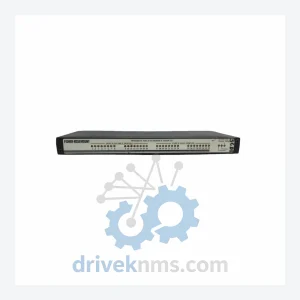
Fisher 01984-4080-0001 Discrete Field Interface Module – DeltaV Series
Fisher 01984-4080-0001 is listed for DeltaV RFQ review. Confirm quantity, condition and destination before quotation.
RFQ-ready industrial model
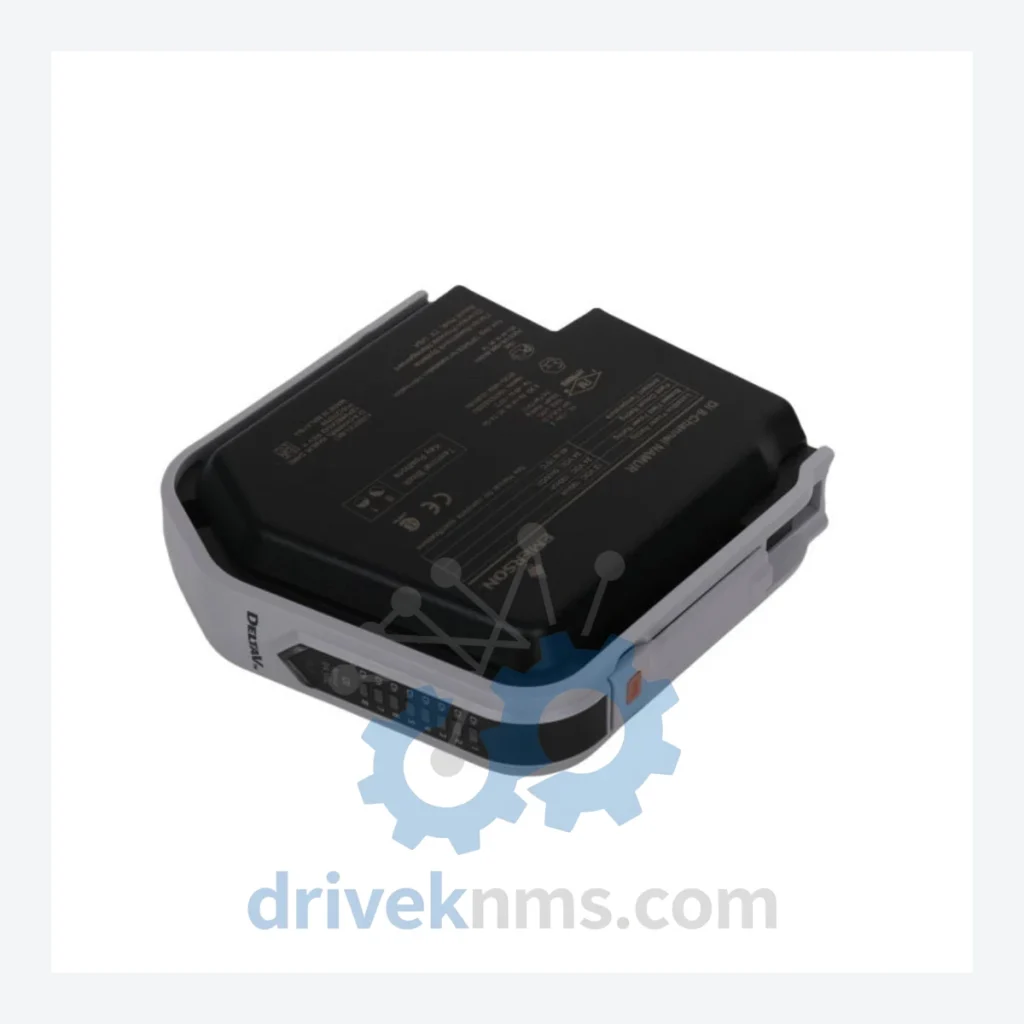
Model: KJ3222X1-BK1 12P4705X032 SE4003S2B1
Product Overview
Commercial availability is handled through direct RFQ, model verification and export-oriented follow-up rather than public cart checkout.
Datasheet Preview
Use attached product manuals when available. If the manual is not public yet, request the full file directly through RFQ.
Commercial Path
Product pages on DRIVEKNMS are designed to verify model, brand and series first, then move the buyer into one clean quotation path.
Technical Dossier
The Emerson DeltaV S-Series represents one of the most widely deployed distributed control system (DCS) I/O architectures in global heavy industry. Installed across petrochemical complexes, LNG terminals, nuclear power facilities, and continuous-process refineries, the S-Series I/O subsystem is the backbone of DeltaV controller nodes operating under IEC 61511 functional safety requirements. The KJ3222X1-BK1 (12P4705X032 / SE4003S2B1) is a 32-channel Digital Input module within this ecosystem — a high-density field interface card designed for discrete signal acquisition from field devices including valve position switches, motor run contacts, and process interlocks.
As of 2026, the DeltaV S-Series has entered its mature/extended-support lifecycle phase. Emerson has progressively migrated new installations toward the DeltaV Electronic Marshalling (CHARM) architecture. However, the installed base of S-Series hardware across operating plants remains substantial, and replacement modules remain a critical procurement category for maintenance engineers managing aging DCS infrastructure without full system migration budgets.
The DeltaV S-Series I/O platform was introduced alongside the DeltaV v5.x controller generation in the late 1990s and remained the primary I/O architecture through DeltaV v13.x. Its design philosophy centers on a carrier-based modular structure: I/O modules plug into 2-, 4-, or 8-slot carriers, which connect to controller nodes via the DeltaV I/O bus. This architecture separates field wiring (terminated at the carrier) from the active electronics (the removable module), enabling hot-swap replacement without field rewiring — a critical operational advantage in live-plant environments.
Early S-Series generations (v6–v8 era) used parallel backplane communication. From v9 onward, Emerson introduced enhanced diagnostics and HART pass-through capability on analog modules. The SE4003 suffix family (including SE4003S2B1) denotes second-generation S-Series modules with improved EMC tolerance and extended operating temperature range (-40°C to +70°C). Compatibility between first- and second-generation S-Series modules on the same carrier is maintained, but firmware version alignment with the DeltaV controller version is required — a common source of procurement errors when sourcing replacement modules from secondary markets.
The transition to DeltaV CHARM (introduced ~2012) did not immediately obsolete S-Series hardware. Many plants operate hybrid architectures where S-Series I/O handles legacy loops while CHARM handles new additions. This creates a long-tail demand for S-Series spares extending well beyond Emerson's official support window.
The following SKUs represent the core S-Series module range. All are carrier-mounted, hot-swappable, and compatible with DeltaV v7.x through v14.x (version-dependent feature availability applies).
Digital Input (DI) Modules
Digital Output (DO) Modules
Analog Input (AI) Modules
Analog Output (AO) Modules
Controller & Power Modules
Q: How are RFQ terms confirmed?
A: Quantity, required condition, documentation needs, destination and sourcing route are confirmed during RFQ review before quotation.
Q: How is condition confirmed before quotation?
A: Available condition, photos, test records and documentation are checked according to the requested model and sourcing channel before a formal RFQ response.
Continue The Model Path
Move from this exact model into the matching system hub, brand archive, model-family archive or lifecycle sourcing route before sending a final RFQ list.
Related Paths
Fisher 01984-4080-0001 is listed for DeltaV RFQ review. Confirm quantity, condition and destination before quotation.
Emerson SPMC1401 is listed for DeltaV RFQ review. Confirm quantity, condition and destination before quotation.
Emerson SPMD1401 is listed for DeltaV RFQ review. Confirm quantity, condition and destination before quotation.