
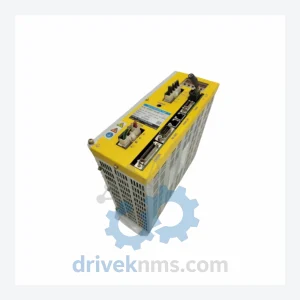
ESTIC ENRZ-AU40-20 Servo Drive – ENRZ Series
ESTIC ENRZ-AU40-20 Servo Drive: Procurement Strategy & Supply Chain Risk Assessment The ESTIC ENRZ-AU40-20 is a servo drive/servo control unit…
Model: ENRZ-AU30
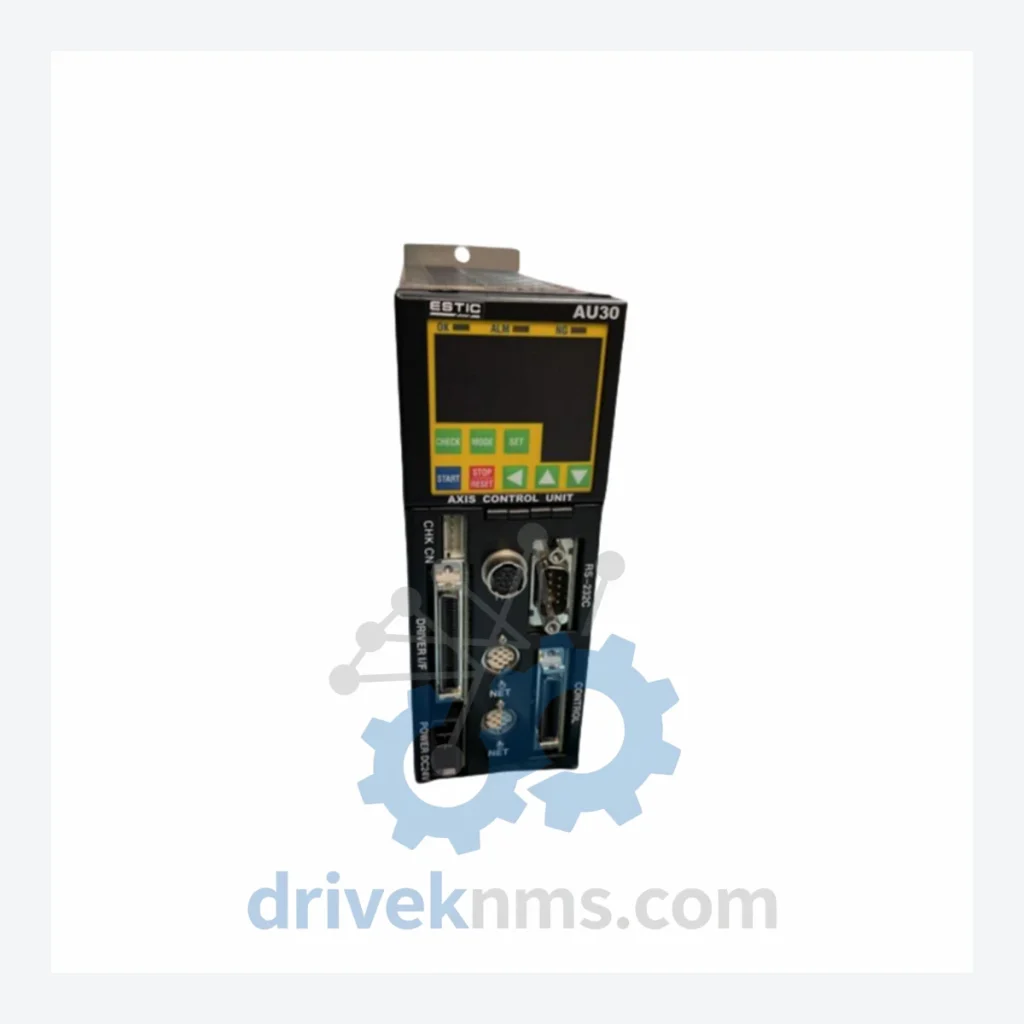
Product Overview
Commercial availability is handled through direct RFQ, model verification and export-oriented follow-up rather than public cart checkout.
Datasheet Preview
Use attached product manuals when available. If the manual is not public yet, request the full file directly through RFQ.
Commercial Path
Product pages on DRIVEKNMS are designed to verify model, brand and series first, then move the buyer into one clean quotation path.
Technical Dossier
The ESTIC ENRZ series represents ESTIC Corporation's core platform for DC nutrunner driver units deployed across precision assembly lines in the automotive, aerospace, electronics manufacturing, and heavy industrial sectors. ENRZ-series driver units are engineered to interface directly with ESTIC's nutrunner spindle tools, providing closed-loop torque and angle control with high repeatability. These units are installed in body-in-white assembly stations, engine assembly lines, transmission assembly cells, and safety-critical fastening applications at Tier 1 automotive suppliers and OEMs globally. The ENRZ platform's modular architecture allows integration into multi-channel fastening systems, where individual driver units are coordinated by a central controller to execute complex multi-spindle tightening sequences. The series has established a significant installed base in Japanese, European, and North American manufacturing facilities, making long-term spare parts availability a critical operational concern for maintenance engineers and procurement teams.
ESTIC's ENRZ driver unit architecture evolved from earlier analog-controlled nutrunner systems toward fully digital, fieldbus-integrated platforms. Early ENRZ units relied on proprietary serial communication protocols for tool-to-controller data exchange, with torque and angle parameters stored locally on the driver unit. Subsequent generations introduced DeviceNet and CC-Link compatibility, enabling integration into broader factory automation networks and PLC-supervised tightening management systems. Later ENRZ variants incorporated enhanced DSP-based torque waveform analysis, allowing real-time detection of cross-threading, prevailing torque anomalies, and joint slip conditions. The transition from standalone driver units to network-coordinated multi-spindle configurations introduced compatibility constraints: early ENRZ units are not directly interchangeable with later network-enabled variants without corresponding controller firmware updates. Maintenance teams operating mixed-generation ENRZ installations must verify hardware revision levels and controller compatibility matrices before substituting driver units. As the ENRZ series has entered the mature-to-declining phase of its product lifecycle, ESTIC has progressively shifted new installations toward successor platforms; however, the volume of ENRZ units in active service ensures continued demand for replacement driver units, repair components, and compatible accessories for the foreseeable future.
The following catalog lists confirmed ESTIC ENRZ series driver units and associated components, classified by function. Each entry represents a discrete, field-replaceable unit within the ENRZ ecosystem.
Driver Units — Standard Torque Range
Driver Units — High-Torque / Multi-Spindle
Controller / Interface Modules
Communication Adapters
Power Supply / Ancillary Modules
ENRZ series driver units present specific quality control challenges due to their integrated power electronics, precision torque feedback circuitry, and proprietary communication interfaces. DriveKNMS applies a structured inspection and functional verification protocol to all ENRZ units processed through its facility. Incoming units undergo visual inspection for physical damage to the housing, connector bodies, and internal bus connectors. Power stage components — including IGBT modules and gate driver circuits — are tested under load conditions representative of the unit's rated torque output. Torque feedback signal integrity is verified using calibrated reference loads to confirm that the unit's closed-loop control response meets ESTIC's published accuracy specifications. Communication interface modules (DeviceNet, CC-Link, Ethernet/IP adapters) are tested for correct node addressing, data frame integrity, and error recovery behavior using protocol analyzers. Units that pass all functional tests are assigned a condition grade and documented with test records available to the customer upon request. Units that fail functional testing but are repairable are processed through component-level repair before re-testing; units with irreparable faults are quarantined and not offered for sale.
For ESTIC ENRZ series driver units, controller modules, communication adapters, and power supply components, contact DriveKNMS directly:
© 2026 DriveKNMS. All trademarks belong to their respective owners. Specifications are for reference only and subject to change without notice. Verify all parameters against official documentation before installation.
Related Paths
ESTIC ENRZ-AU40-20 Servo Drive: Procurement Strategy & Supply Chain Risk Assessment The ESTIC ENRZ-AU40-20 is a servo drive/servo control unit…
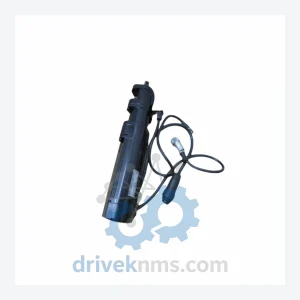
ESTIC ENRZ-TU013-S Servo Nutrunner Tool Unit – Obsolete ENRZ Series Spare Part When the ESTIC ENRZ-TU013-S Servo Nutrunner Tool Unit…
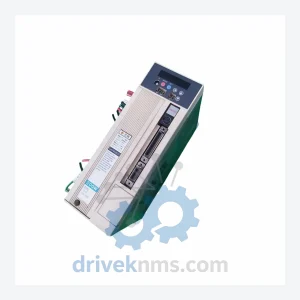
ESTIC ENRZ Series: Comprehensive Module Range and Technical Overview The ESTIC ENRZ series represents a purpose-built line of servo-driven nutrunner…