
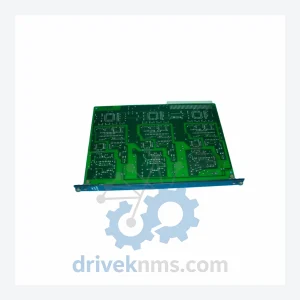
GE IS200BPIBG1AEB Driver Board
General Electric IS200BPIBG1AEB is listed for Monitoring Systems RFQ review. Confirm quantity, condition and destination before quotation.
RFQ-ready industrial model
Model: DS200UPSAG1AFD
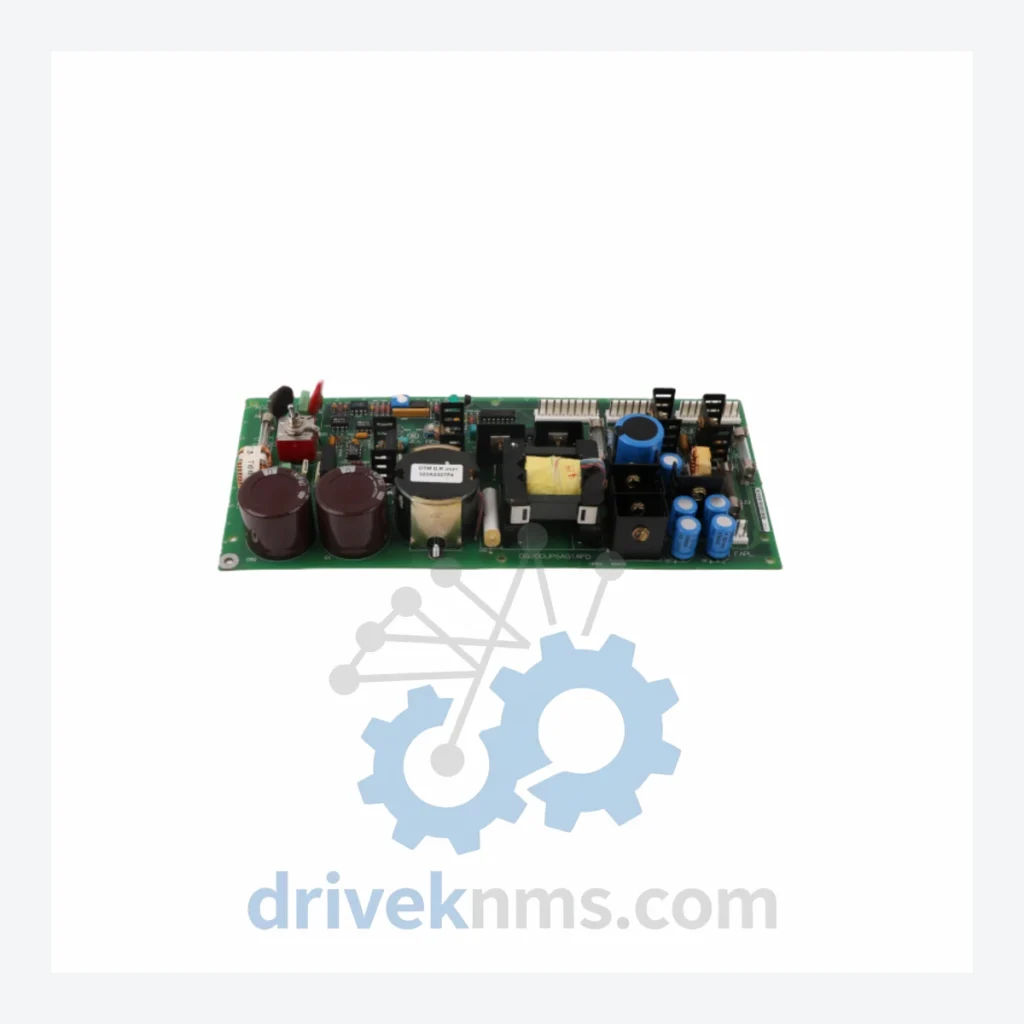
Product Overview
Commercial availability is handled through direct RFQ, model verification and export-oriented follow-up rather than public cart checkout.
Datasheet Preview
Use attached product manuals when available. If the manual is not public yet, request the full file directly through RFQ.
Commercial Path
Product pages on DRIVEKNMS are designed to verify model, brand and series first, then move the buyer into one clean quotation path.
Technical Dossier
The GE DS200 series constitutes the core I/O, power, and control module family of the GE Mark VI Turbine Control System — one of the most widely deployed distributed control platforms in global heavy industry. Installations span gas turbine power generation facilities, combined-cycle plants, petrochemical refineries, offshore oil and gas platforms, and nuclear auxiliary systems across North America, Europe, the Middle East, and Asia-Pacific. The Mark VI platform, of which DS200 modules are the primary hardware layer, controls turbine start/stop sequencing, fuel control, inlet guide vane positioning, and protective trip logic in environments where continuous uptime is measured in years, not months. The DS200 series is not a consumer-grade product line; it is engineered to MIL-spec vibration tolerances, wide-temperature operation, and redundant backplane communication architectures that tolerate single-point failures without process interruption.
The DS200 hardware lineage originates from GE's SPEEDTRONIC Mark V platform (introduced in the late 1980s), which established the modular VME-bus card cage architecture that DS200 inherited and extended. The transition to Mark VI in the mid-1990s introduced the IONet Ethernet-based I/O communication backbone, replacing the earlier serial ARCNET topology. This shift enabled deterministic, high-speed data exchange between the (I/O) and (controller) racks at scan rates below 10 ms.
The DS200 module family was designed to populate the rack — the distributed I/O enclosure — and interface directly with field instrumentation: thermocouples, RTDs, 4–20 mA transmitters, proximity probes, magnetic pickups, and discrete contact inputs. Over successive hardware revisions (suffix letters A through F in most part numbers), GE refined FPGA firmware, increased channel isolation voltage ratings, and improved EMI filtering. Backward compatibility within the same functional class was maintained across most revisions, though firmware version alignment between the UCCE/UCCA controller cards and I/O modules is mandatory and must be verified before substitution.
By the mid-2010s, GE transitioned new turbine deliveries to the Mark VIe platform, which uses EtherNet/IP and a different physical form factor. DS200 modules are not forward-compatible with Mark VIe racks. As a result, the entire DS200 catalog has entered a mature-to-end-of-life lifecycle phase. GE no longer manufactures the majority of DS200 part numbers as new production; the installed base — estimated at tens of thousands of turbine control systems globally — depends entirely on aftermarket spare parts channels for ongoing maintenance and emergency replacement.
The following represents a structured index of verified DS200 series part numbers, organized by functional category. Each entry reflects a real, documented module type within the GE Mark VI / DS200 hardware ecosystem.
Power Supply Modules
Analog Input Modules
Digital Input / Output Modules
Speed / Vibration / Proximity Modules
Communication and Controller Modules
Because GE has formally discontinued new production of the majority of DS200 part numbers, procurement for operating plants now depends on three sources: GE's own diminishing service inventory (available through GE Gas Power service contracts at premium pricing), OEM-certified remanufacturers, and independent aftermarket distributors with verified testing capability.
DS200 modules present specific test challenges due to their backplane-dependent architecture: most modules cannot be functionally verified in isolation and require a live Mark VI rack environment or a dedicated test bench that replicates the IONet communication handshake and backplane power rails.
DriveKNMS employs the following test protocol for DS200 modules prior to shipment:
Continue The Model Path
Move from this exact model into the matching system hub, brand archive, model-family archive or lifecycle sourcing route before sending a final RFQ list.
Related Paths
General Electric IS200BPIBG1AEB is listed for Monitoring Systems RFQ review. Confirm quantity, condition and destination before quotation.
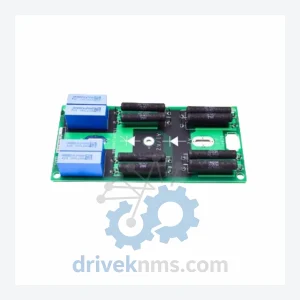
General Electric IS200RCSAG1ABB is listed for Monitoring Systems RFQ review. Confirm quantity, condition and destination before quotation.
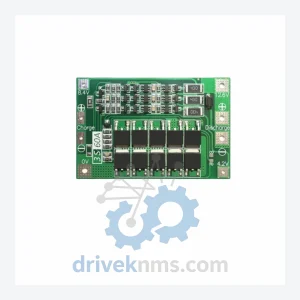
General Electric IS215REBFH1A is listed for Monitoring Systems RFQ review. Confirm quantity, condition and destination before quotation.