
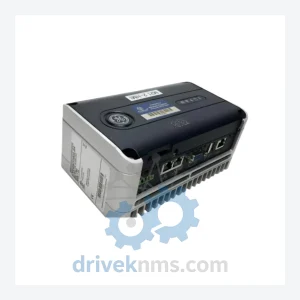
GE Fanuc IC693 Series Modules: ICRXIBN7E000A
GE Fanuc ICRXIBN7E000A is listed for Fanuc IC693 Series RFQ review. Confirm quantity, condition and destination before quotation.
RFQ-ready industrial model
Model: IC693CPU323
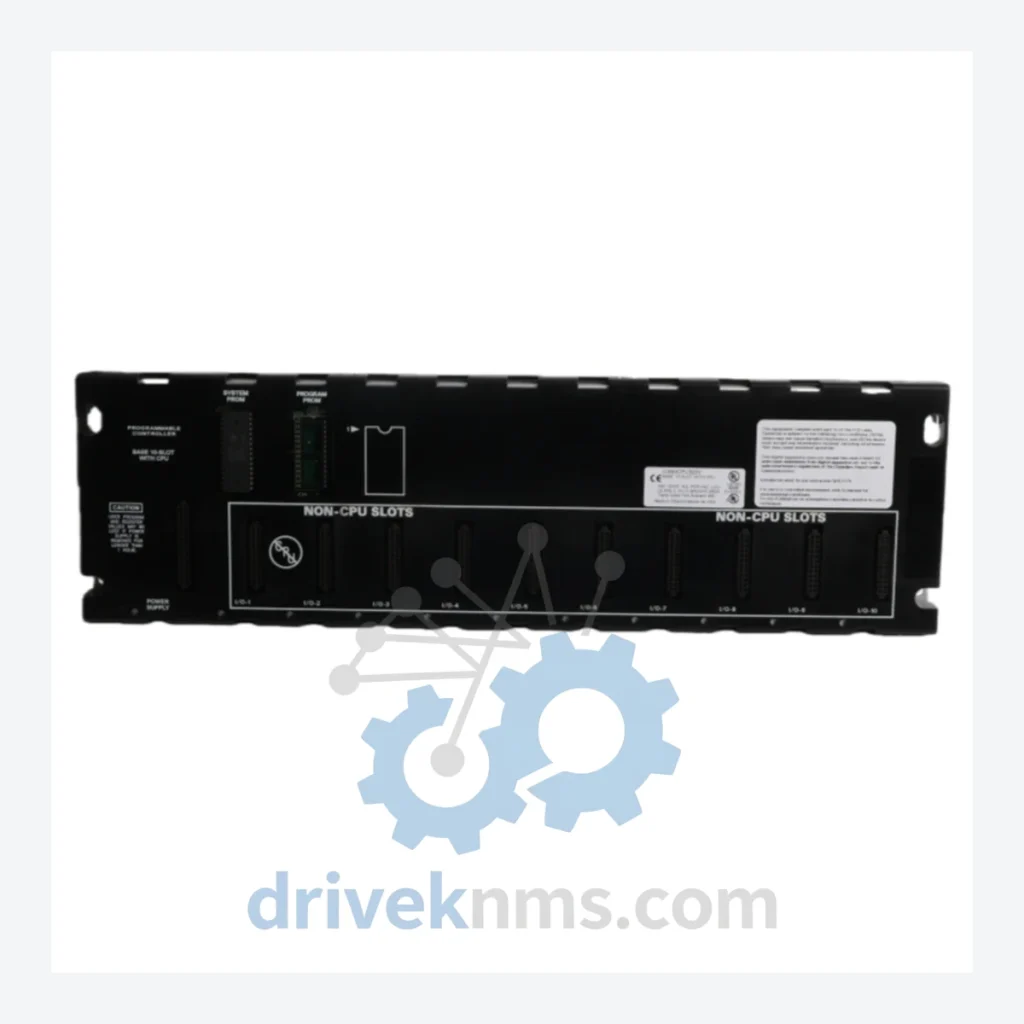
Product Overview
Commercial availability is handled through direct RFQ, model verification and export-oriented follow-up rather than public cart checkout.
Datasheet Preview
Use attached product manuals when available. If the manual is not public yet, request the full file directly through RFQ.
Commercial Path
Product pages on DRIVEKNMS are designed to verify model, brand and series first, then move the buyer into one clean quotation path.
Technical Dossier
The GE Fanuc IC693 Series, commercially designated as the Series 90-30 Programmable Logic Controller, represents one of the most widely deployed mid-range PLC platforms in global heavy industry. Installed across petrochemical complexes, nuclear power generation facilities, offshore oil platforms, and continuous-process refineries, the IC693 architecture established a benchmark for modular, rack-based control systems during its production lifecycle spanning the late 1980s through the 2010s. Its 10-slot and 5-slot baseplate configurations, combined with a deterministic ladder logic execution engine, made it the default selection for process engineers requiring reliable discrete and analog control in Class I hazardous environments. Installed base estimates place active IC693 deployments in the tens of thousands of units globally, with a significant proportion operating beyond their original design service life under extended maintenance contracts.
The IC693 platform was introduced by GE Fanuc Automation (a joint venture between General Electric and FANUC Ltd.) as the successor to the Series Six PLC family. The original IC693 CPU311 and CPU313 modules established the baseline architecture: a VME-derived backplane bus, a proprietary GE Genius I/O network interface, and a 6-MHz 80186-class processor executing relay ladder logic at scan rates of 0.8–1.2 ms per 1,000 boolean instructions.
The mid-generation CPU321, CPU323, and CPU331 modules introduced expanded memory (up to 80 KB user program), floating-point math coprocessors, and support for the SNP/SNP-X serial communication protocol, enabling peer-to-peer PLC networking without a dedicated communications controller. The high-end CPU364 and CPU374 variants added Ethernet TCP/IP connectivity natively, bridging the IC693 platform into the era of plant-wide SCADA integration.
Compatibility constraints are a critical operational consideration. IC693 modules are backplane-compatible within the IC693 rack family but are not electrically or mechanically interchangeable with the IC694 (Series 90-30 enhanced) or IC695 (RX3i) platforms. Firmware versions must be matched to CPU revision levels when replacing modules in existing installations; mismatched firmware can result in I/O configuration faults or communication bus errors. The transition from IC693 to IC695 RX3i required a full rack and wiring replacement, as the RX3i uses a universal backplane with a different bus architecture.
CPU Modules
Discrete Input Modules
Discrete Output Modules
Analog I/O Modules
Communication & Network Modules
Power Supply Modules
GE Fanuc formally discontinued active production of the IC693 Series 90-30 platform, with end-of-life notices issued progressively from 2012 through 2018 for individual module families. The CPU311, CPU313, and CMM311 were among the earliest to reach end-of-availability status. Despite discontinuation, the installed base remains substantial, and replacement sourcing is a primary operational challenge for plant maintenance teams operating on multi-decade asset lifecycles.
The IC693 backplane uses a proprietary parallel bus architecture operating at 8 MHz. Verification of module integrity requires active bus participation testing, not merely power-on self-test (POST) confirmation. DriveKNMS employs a dedicated IC693 test rack configured with a reference CPU364 and calibrated I/O load banks to validate each module type against its original GE Fanuc factory acceptance test criteria.
Continue The Model Path
Move from this exact model into the matching system hub, brand archive, model-family archive or lifecycle sourcing route before sending a final RFQ list.
Related Paths
GE Fanuc ICRXIBN7E000A is listed for Fanuc IC693 Series RFQ review. Confirm quantity, condition and destination before quotation.
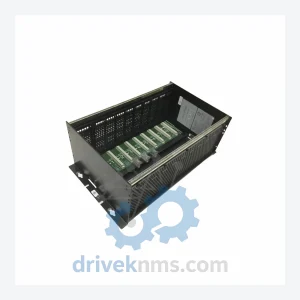
GE Fanuc FANUC IC697CHS791J is listed for Series 90-70 RFQ review. Confirm quantity, condition and destination before quotation.
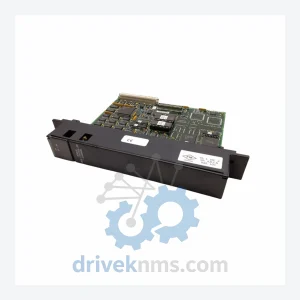
GE Fanuc FANUC IC697BEM733 is listed for Series 90-70 RFQ review. Confirm quantity, condition and destination before quotation.