
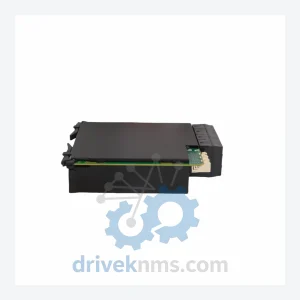
GE UR Series Modules: UR6AV Digital I/O Module —
GE UR Series: Comprehensive Module Range and Technical Overview The GE Grid Solutions UR Series (Universal Relay) platform is one…
Model: UR9GH UR 9GH
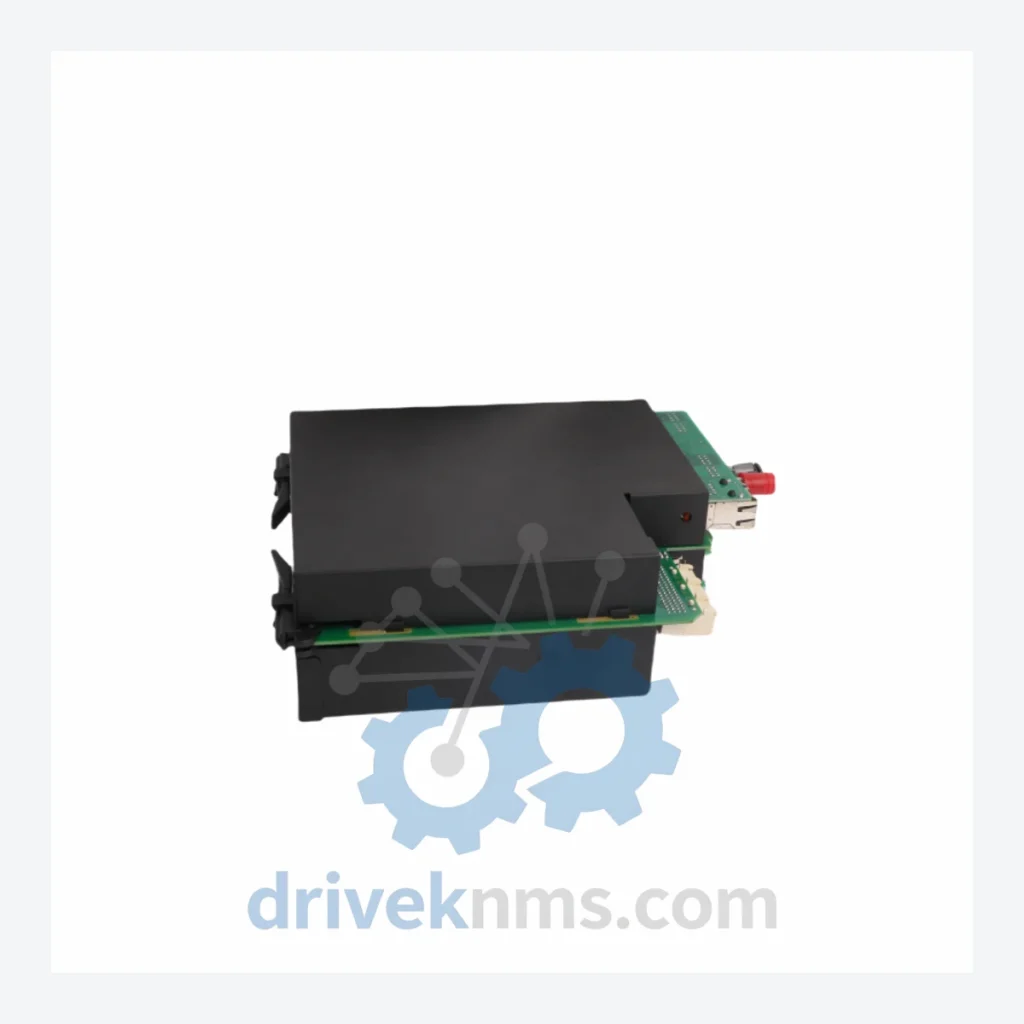
Product Overview
Commercial availability is handled through direct RFQ, model verification and export-oriented follow-up rather than public cart checkout.
Datasheet Preview
Use attached product manuals when available. If the manual is not public yet, request the full file directly through RFQ.
Commercial Path
Product pages on DRIVEKNMS are designed to verify model, brand and series first, then move the buyer into one clean quotation path.
Technical Dossier
The GE Multilin Universal Relay (UR) Series represents one of the most widely deployed protection and control platforms in global heavy industry. Installed across high-voltage substations, chemical processing plants, nuclear generating stations, offshore oil platforms, and petroleum refineries, the UR platform provides integrated protection, control, metering, and communications in a single modular chassis. Its architecture supports IEC 61850, DNP3, Modbus, and GOOSE messaging, making it a backbone component in both legacy SCADA environments and modern digital substation deployments. The UR9GH (UR 9GH) is a CPU/communications module within this platform, responsible for coordinating inter-module data exchange across the UR backplane and managing primary relay logic execution.
The UR platform was introduced by GE Multilin in the late 1990s as a successor to discrete electromechanical and early digital relay designs. The first-generation UR chassis used a parallel backplane with proprietary inter-module communication. By the mid-2000s, GE introduced the UR 7.x and 8.x firmware generations, adding IEC 61850 Edition 1 compliance and expanded I/O slot counts. The UR 9.x generation — to which the UR9GH belongs — introduced enhanced CPU processing speed, IEC 61850 Edition 2 support, IEEE 1588 precision time protocol (PTP) synchronization, and expanded cybersecurity features aligned with NERC CIP standards.
Compatibility across UR generations is slot-dependent: UR 7.x and 8.x modules are generally not interchangeable with UR 9.x CPU and communications modules due to backplane protocol differences. Field engineers replacing a UR9GH must verify chassis generation, firmware revision, and slot assignment before substitution. GE Multilin has issued multiple product change notices (PCNs) affecting component-level availability for UR 9.x modules, and several sub-variants have transitioned to limited-availability or end-of-active-production status.
The following SKUs represent verified, commonly stocked modules within the GE Multilin UR platform. Each entry reflects a distinct hardware function within the UR chassis architecture.
CPU & Communications Modules
Digital Input (DI) Modules
Digital Output (DO) / Relay Output Modules
Analog Input (AI) Modules
Power Supply Modules
GE Multilin has progressively transitioned UR 7.x and select UR 8.x modules to end-of-active-production status. For installed base operators — particularly nuclear licensees and refinery operators with 10–20 year asset lifecycles — this creates a sourcing gap that OEM channels cannot reliably fill. DriveKNMS maintains a dedicated inventory of tested UR Series modules including UR9GH, UR8GH, UR7GH, and associated I/O cards sourced from decommissioned substation equipment and controlled surplus channels.
All units are subject to pre-sale functional verification. DriveKNMS provides documentation of test results upon request and can cross-reference GE Multilin catalog numbers against superseded part numbers to confirm compatibility. For operators requiring long-term maintenance agreements or consignment stock arrangements for UR Series spares, contact the procurement team directly.
The UR platform's backplane uses a high-speed serial bus for inter-module communication. Standard bench testing is insufficient to validate CPU and communications modules such as the UR9GH without a live UR chassis environment. DriveKNMS employs the following verification protocol for UR Series modules:
© 2026 DriveKNMS. All trademarks belong to their respective owners. Specifications are for reference only and subject to change without notice. Verify all parameters against official documentation before installation.
Related Paths
GE UR Series: Comprehensive Module Range and Technical Overview The GE Grid Solutions UR Series (Universal Relay) platform is one…
GE UR Series: Comprehensive Module Range and Technical Overview The GE UR (Universal Relay) Series, developed by GE Grid Solutions…
Fuji Electric NP2L Series: Comprehensive Module Range and Technical Overview The Fuji Electric NP2L series is a relay-based programmable controller…