
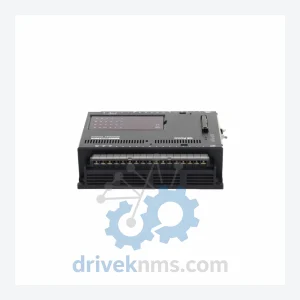
GE Series 90-30 IC609SJR100C Basic Unit
GE Fanuc Series 90-30 Basic Unit: Comprehensive Module Range and Technical Overview The GE Fanuc Series 90-30 Programmable Logic Controller…
Model: HE693DAC410
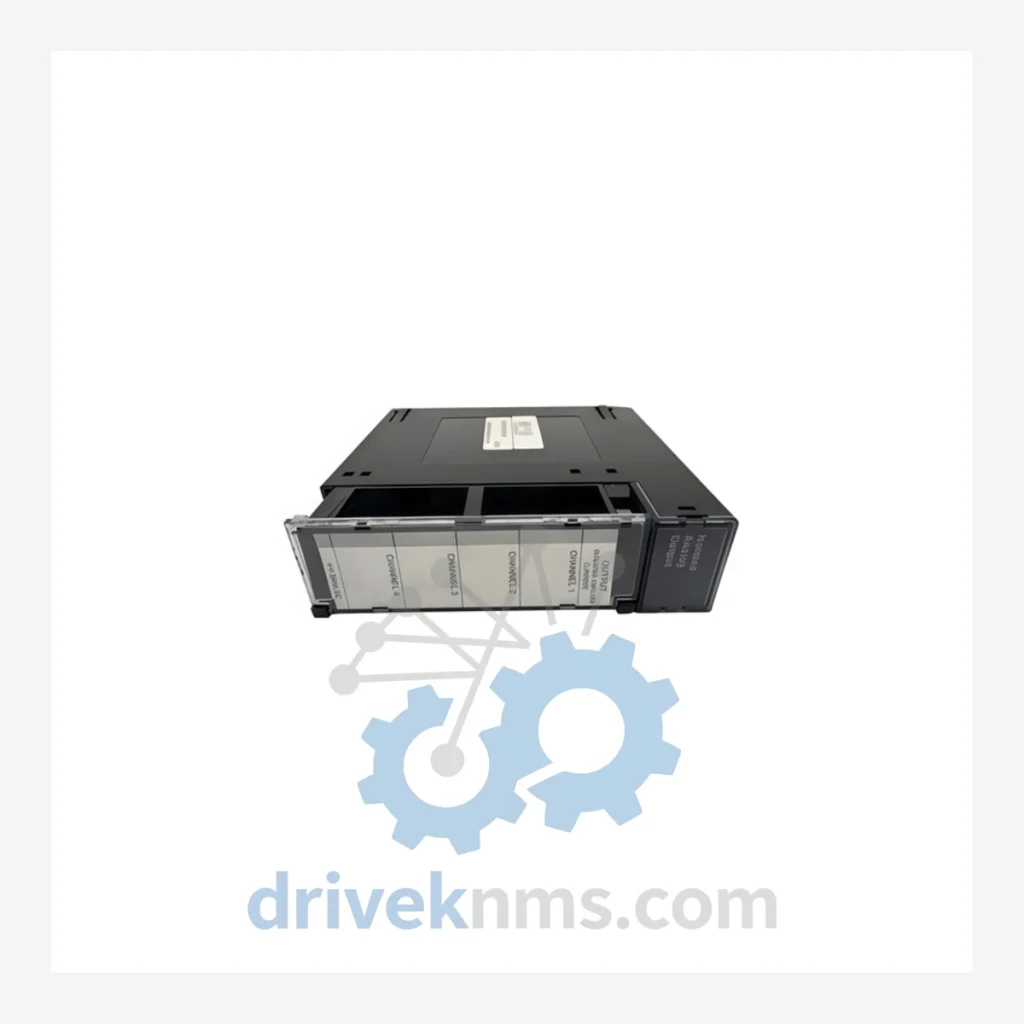
Product Overview
Commercial availability is handled through direct RFQ, model verification and export-oriented follow-up rather than public cart checkout.
Datasheet Preview
Use attached product manuals when available. If the manual is not public yet, request the full file directly through RFQ.
Commercial Path
Product pages on DRIVEKNMS are designed to verify model, brand and series first, then move the buyer into one clean quotation path.
Technical Dossier
The GE Series 90-30, marketed under the GE Fanuc brand and identified by the HE693 module prefix, is a mid-range programmable logic controller platform that has achieved widespread deployment across global heavy industry sectors including petrochemical refining, nuclear power auxiliary systems, pulp and paper manufacturing, water treatment infrastructure, and automotive assembly lines. Introduced in the late 1980s, the Series 90-30 established itself as the dominant mid-tier PLC architecture in North American process industries and maintained that position through the 1990s and 2000s. Its modular rack-based architecture, standardized backplane bus, and broad I/O density options made it the default selection for plant engineers requiring deterministic scan-cycle performance with field-proven reliability. Installed base estimates place Series 90-30 systems in tens of thousands of facilities globally, many of which remain in active production service. As the platform has entered its end-of-life phase under GE's successor entity Emerson (following the acquisition of GE Intelligent Platforms), long-term spare parts availability has become the primary operational concern for maintenance engineers and reliability teams.
The Series 90-30 platform was launched by GE Fanuc Automation in 1988 as a successor to the Series Six and Series Five PLC families. The original architecture used a parallel backplane bus operating at 5V TTL logic levels, supporting up to 10 I/O modules per rack with a dedicated CPU slot. Early CPU modules (HE693CPU311, HE693CPU313) offered limited program memory (6K–12K words) and supported only serial communications via RS-232/RS-485.
The second-generation architecture introduced in the mid-1990s expanded CPU capabilities significantly. The HE693CPU364 and HE693CPU374 introduced Ethernet TCP/IP connectivity natively, enabling integration with SCADA systems and plant historians without external communication bridges. Program memory expanded to 240K words, and floating-point math support was added for analog-intensive applications.
The third-generation HE693CPU374 and HE693CPU375 variants added embedded web server functionality and enhanced diagnostics. The platform also adopted the Genius Bus (GBC) and Profibus-DP communication standards during this period, allowing Series 90-30 CPUs to act as bus masters for distributed I/O networks spanning large plant footprints.
GE Intelligent Platforms (rebranded from GE Fanuc in 2009) formally announced the Series 90-30 as a mature/legacy platform circa 2015, with active development discontinued. Emerson, which acquired GE Intelligent Platforms in 2018, continues to supply select modules but has directed new projects toward the PACSystems RX3i platform. For existing Series 90-30 installations, third-party suppliers such as DriveKNMS provide the primary source of new-surplus, refurbished, and tested replacement modules.
Analog Output Modules
Analog Input Modules
Digital Output Modules
Digital Input Modules
CPU Modules
Communication & Network Modules
Power Supply Modules
The Series 90-30 platform's end-of-active-production status creates a structural supply gap between plant maintenance demand and OEM availability. GE/Emerson has discontinued manufacturing for the majority of HE693-prefix modules, with only select CPU and power supply variants available through authorized distribution channels at extended lead times.
DriveKNMS maintains a dedicated inventory program for Series 90-30 lifecycle support. Stock categories include: (1) new-surplus modules sourced from decommissioned plant inventories and OEM overstock; (2) factory-refurbished units that have undergone full functional restoration; and (3) tested-used modules with documented performance verification. All units are stored in ESD-controlled environments and shipped with anti-static packaging.
For plant operators managing Series 90-30 systems beyond their original design life, DriveKNMS offers bulk procurement consultation to identify and secure sufficient spare stock for 5–10 year maintenance horizons. This service is particularly relevant for facilities where a full migration to PACSystems RX3i is not economically viable within current capital budgets.
Series 90-30 modules present specific test challenges due to their parallel backplane bus architecture and mixed analog/digital signal paths. DriveKNMS applies the following verification protocol to all HE693-series modules prior to shipment:
Backplane Bus Integrity: Each module is seated in a Series 90-30 test rack and subjected to full backplane communication verification. Bus arbitration, slot addressing, and interrupt response are confirmed against GE Fanuc specification IC693 test parameters.
Analog Channel Calibration: For analog I/O modules (including the HE693DAC410), each channel is individually tested across the full output/input range (0–20 mA, 4–20 mA, 0–10 VDC, ±10 VDC as applicable). Linearity error, offset error, and gain error are measured and must fall within the published ±0.1% full-scale specification.
Digital I/O Functional Test: All discrete I/O points are exercised through a full ON/OFF cycle sequence. Isolation resistance between field-side and logic-side circuits is verified at 500 VDC using a calibrated megohmmeter.
Communication Module Verification: CMM and PBS modules are tested for protocol handshake integrity, baud rate accuracy, and error-frame rejection using a dedicated protocol analyzer bench.
Thermal Burn-In: Select modules undergo a 24-hour powered burn-in at 45°C ambient to screen for early-life component failures before shipment.
Related Paths
GE Fanuc Series 90-30 Basic Unit: Comprehensive Module Range and Technical Overview The GE Fanuc Series 90-30 Programmable Logic Controller…
GE IC693CPU340 CPU Module: Supply Continuity Strategy for a Discontinued Series 90-30 Component The GE IC693CPU340 is a CPU module…
GE Series 90-30: Comprehensive Module Range and Technical Overview The GE Series 90-30 (IC693 prefix) is one of the most…