
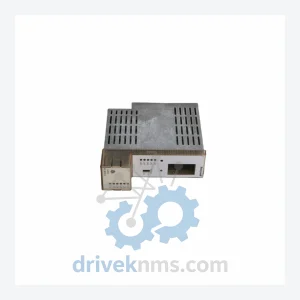
Honeywell XC Series Modules | XC5010C CPU Module
Honeywell XC Series: Comprehensive Module Range and Technical Overview The Honeywell XC Series represents a core control platform deployed across…
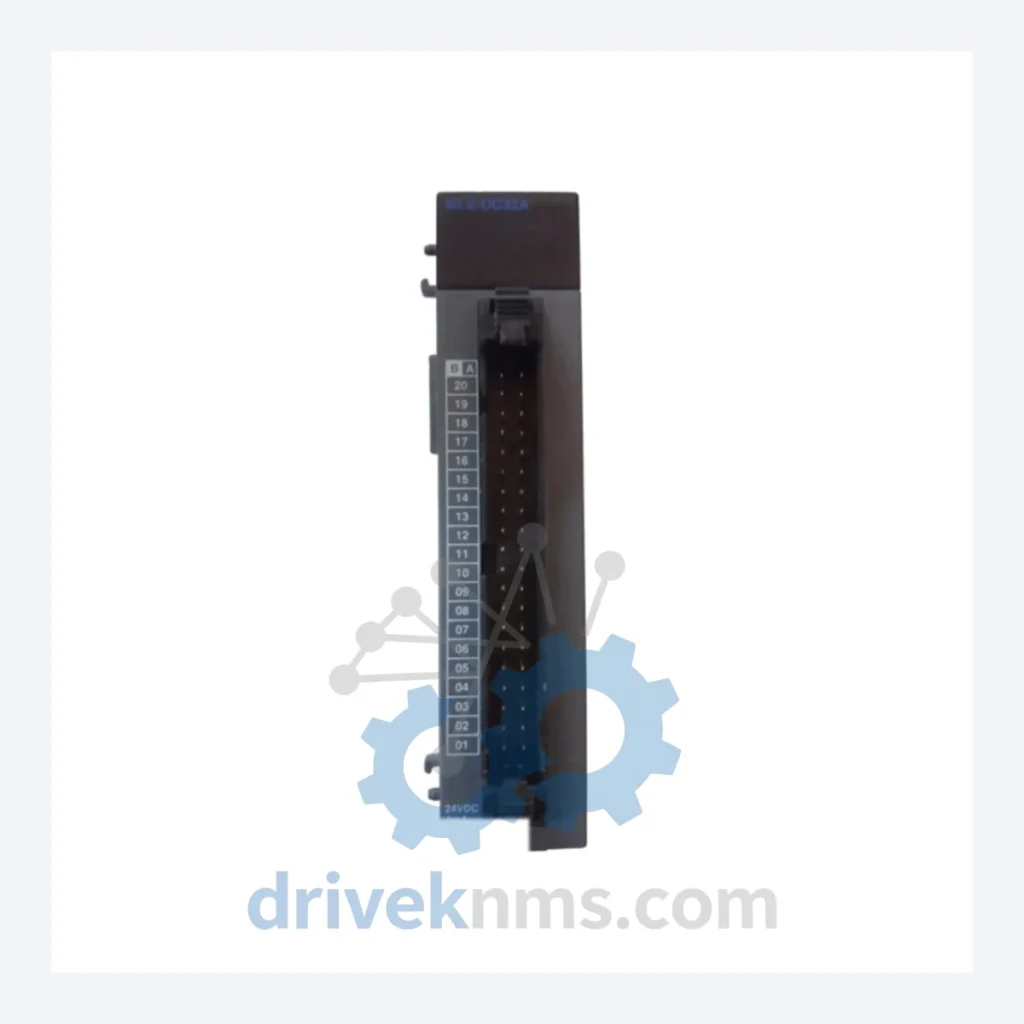
Model: MLE?DC32A
Product Overview
Commercial availability is handled through direct RFQ, model verification and export-oriented follow-up rather than public cart checkout.
Datasheet Preview
Use attached product manuals when available. If the manual is not public yet, request the full file directly through RFQ.
Commercial Path
Product pages on DRIVEKNMS are designed to verify model, brand and series first, then move the buyer into one clean quotation path.
Technical Dossier
The Honeywell MLE (Modular Logic Engine) series is a core I/O and control subsystem within the Honeywell TotalPlant Solution (TPS) and TDC-3000 Distributed Control System architecture. Deployed across global heavy industry — including petrochemical refineries, nuclear power generation facilities, offshore platforms, and large-scale chemical processing plants — the MLE series represents one of the most widely installed DCS I/O frameworks in continuous process environments. Its modular backplane design allows field I/O signals to be terminated, conditioned, and communicated to the High-Performance Process Manager (HPM) or Process Manager (PM) controllers without signal interruption. Installed base counts in the tens of thousands of nodes globally, making long-term spare parts availability a critical operational concern for plant asset managers.
The MLE series originated as part of Honeywell's TDC-3000 platform introduced in the early 1980s, designed to replace hardwired relay logic with software-configurable I/O in process industries. Early-generation MLE modules operated on the Local Control Network (LCN) and Universal Control Network (UCN) bus structures, using proprietary backplane communication protocols incompatible with open fieldbus standards of the era.
Through the 1990s, Honeywell evolved the MLE architecture to support the TPS (TotalPlant Solution) migration path, introducing enhanced diagnostic capabilities and higher channel-density modules. The DC32A variant — a 32-channel digital input module — represents the mature-generation design optimized for high-density discrete signal acquisition in safety-instrumented and regulatory control loops.
By the 2010s, Honeywell began transitioning customers toward the Experion PKS (Process Knowledge System) platform with C300 controllers and CHARM (Characterization Module) I/O technology. However, the installed base of MLE-series hardware remains extensive, and Honeywell's lifecycle policy classifies many MLE modules as mature/end-of-active-development, meaning OEM production has ceased or is severely limited. This creates a structural dependency on the secondary market and authorized repair channels for ongoing plant maintenance.
Digital Input (DI) Modules
Digital Output (DO) Modules
Analog Input (AI) Modules
Analog Output (AO) Modules
Communication & Controller Modules
DriveKNMS maintains a dedicated inventory program for Honeywell MLE series modules classified as mature, end-of-life, or discontinued by the OEM. Our sourcing network spans decommissioned plant assets, authorized refurbishment channels, and long-term storage inventory acquired from original system integrators.
For plant operators running TDC-3000 or TPS systems with no near-term migration budget, MLE module availability on the secondary market is the primary risk vector for unplanned downtime. DriveKNMS addresses this through:
MLE series modules present specific test challenges due to their proprietary backplane bus protocol and multi-channel I/O architecture. DriveKNMS applies the following test procedures to all MLE inventory prior to dispatch:
Related Paths
Honeywell XC Series: Comprehensive Module Range and Technical Overview The Honeywell XC Series represents a core control platform deployed across…
Honeywell MP-DNCF02-200 Single-Phase Power Controller – Obsolete Limitrol Series Spare Part When a single-phase power controller fails inside a legacy…
Honeywell XDL Series: Comprehensive Module Range and Technical Overview The Honeywell XDL series is a core component family within the…