
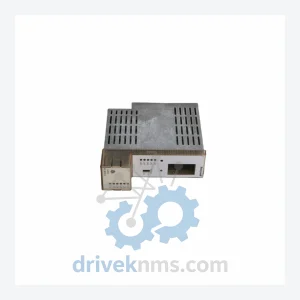
Honeywell XC Series Modules | XC5010C CPU Module
Honeywell XC Series: Comprehensive Module Range and Technical Overview The Honeywell XC Series represents a core control platform deployed across…
Model: MLI-DR64H/D1
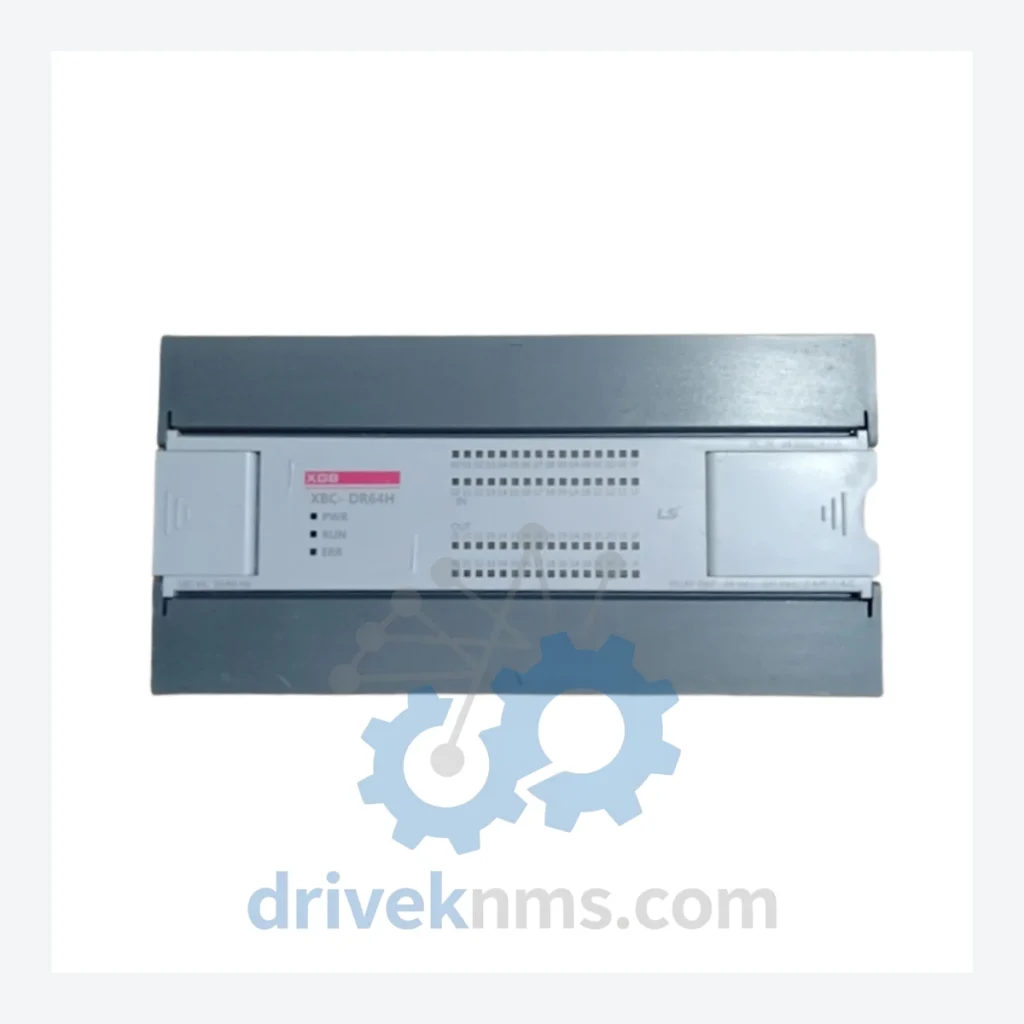
Product Overview
Commercial availability is handled through direct RFQ, model verification and export-oriented follow-up rather than public cart checkout.
Datasheet Preview
Use attached product manuals when available. If the manual is not public yet, request the full file directly through RFQ.
Commercial Path
Product pages on DRIVEKNMS are designed to verify model, brand and series first, then move the buyer into one clean quotation path.
Technical Dossier
The Honeywell MLI (Modular Logic Interface) series is a distributed control system (DCS) platform deployed extensively across global heavy industries, including petrochemical refineries, nuclear power facilities, offshore platforms, and large-scale chemical processing plants. Engineered under Honeywell's Process Solutions division, the MLI architecture provides deterministic scan-cycle control with high-density I/O capability, making it a standard reference platform in facilities where continuous uptime and process integrity are non-negotiable. Installed base spans North America, the Middle East, and Asia-Pacific, with many sites operating MLI hardware beyond its original design lifecycle due to the cost and complexity of full DCS migration.
The MLI series was introduced as part of Honeywell's TDC 3000 and PlantScape ecosystem, designed to bridge legacy relay logic with modern digital control. Early-generation MLI modules operated on a proprietary Local Control Network (LCN) backplane, using parallel bus communication at fixed scan rates. Mid-generation revisions introduced enhanced diagnostics, redundancy support, and compatibility with Honeywell's Universal Control Network (UCN). Later variants added HART pass-through capability on analog modules and expanded the digital output density to 64 points per card (as seen in the MLI-DR64H/D1). Compatibility between early and late MLI generations requires careful backplane revision matching — specifically, modules rated for the H-series backplane (suffix /H or /D1) are not interchangeable with earlier B-series racks without firmware and termination assembly verification. As Honeywell has transitioned its DCS portfolio toward Experion PKS and C300 controllers, the MLI series has entered a mature/end-of-life phase. Honeywell no longer manufactures new MLI modules; all procurement is sourced through authorized repair depots or specialist spare parts distributors.
Digital Output Modules
Digital Input Modules
Analog Output Modules
Analog Input Modules
CPU & Controller Modules
Power Supply Modules
Communication Adapters
With Honeywell having formally discontinued MLI series manufacturing, procurement of replacement modules requires specialist sourcing. DriveKNMS maintains a dedicated inventory of tested MLI modules, including end-of-life variants such as B-series backplane cards and early CPU revisions no longer available through OEM channels. For facilities operating under long-term maintenance agreements or regulatory hold periods (common in nuclear and refining environments), DriveKNMS provides lifecycle extension support: sourcing, functional testing, and documented traceability for each unit. Requests for low-volume emergency replacements and bulk spare parts packages are both accommodated. Lead times for common H-series modules are typically 3–7 business days from confirmed stock; rare B-series and CPU modules are subject to availability confirmation.
MLI series modules present specific test challenges due to their proprietary backplane bus protocol and multi-layer PCB construction. DriveKNMS applies a structured test protocol for each MLI unit: visual inspection for capacitor degradation, solder joint integrity, and connector pin condition; powered bench test using an MLI-compatible rack simulator to verify bus communication handshake; channel-level functional test for all I/O points (digital continuity, analog linearity across 4–20mA range, HART signal integrity where applicable); and burn-in cycle under load to screen for latent component failures. CPU modules undergo additional firmware version verification and memory integrity checks. All units are shipped with a test report and 12-month warranty against functional failure.
© 2026 DriveKNMS. All trademarks belong to their respective owners. Specifications are for reference only and subject to change without notice. Verify all parameters against official documentation before installation.
Related Paths
Honeywell XC Series: Comprehensive Module Range and Technical Overview The Honeywell XC Series represents a core control platform deployed across…
Honeywell MP-DNCF02-200 Single-Phase Power Controller – Obsolete Limitrol Series Spare Part When a single-phase power controller fails inside a legacy…
Honeywell XDL Series: Comprehensive Module Range and Technical Overview The Honeywell XDL series is a core component family within the…