
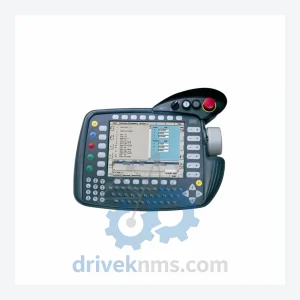
KUKA KCP2 Teach Pendant Modules
KUKA KCP2 Series: Comprehensive Module Range and Technical Overview The KUKA KCP2 (KUKA Control Panel 2) teach pendant is the…
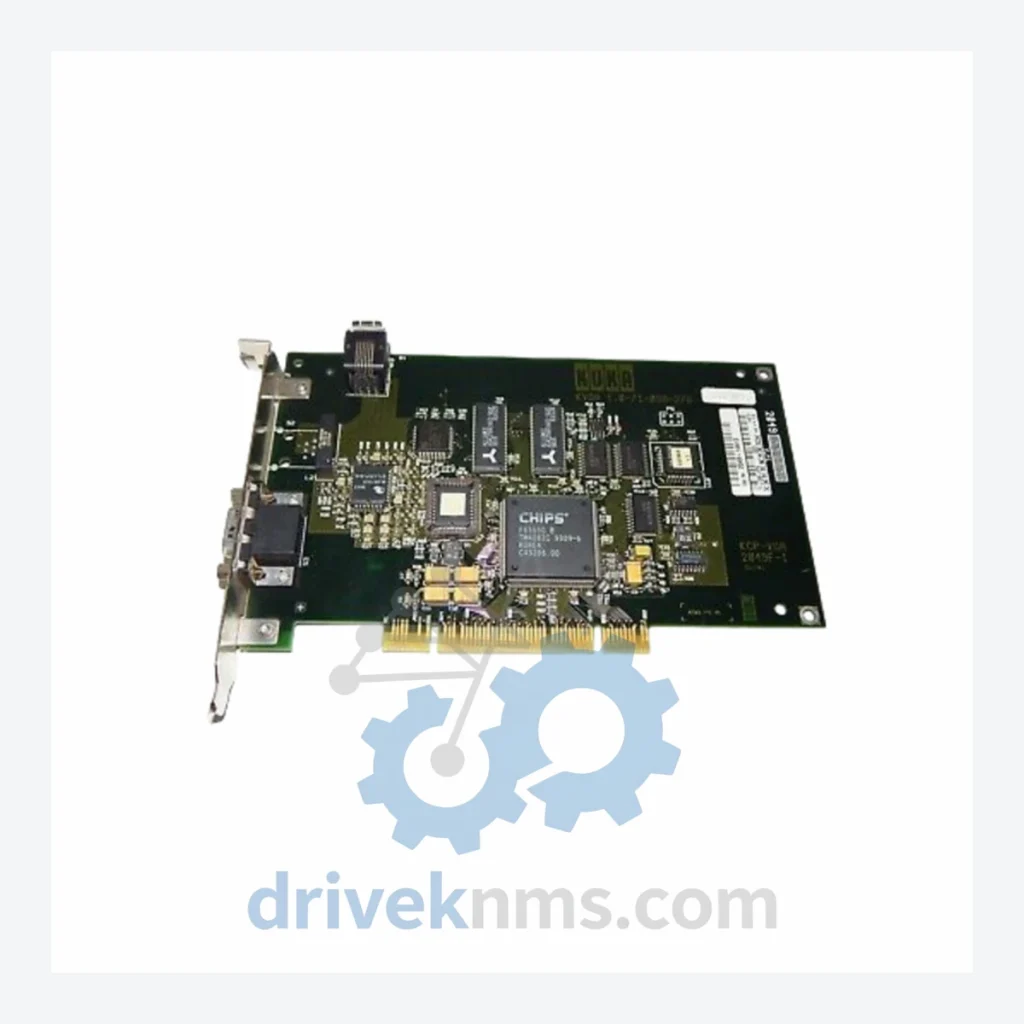
Model: KVGA 1.0
Product Overview
Commercial availability is handled through direct RFQ, model verification and export-oriented follow-up rather than public cart checkout.
Datasheet Preview
Use attached product manuals when available. If the manual is not public yet, request the full file directly through RFQ.
Commercial Path
Product pages on DRIVEKNMS are designed to verify model, brand and series first, then move the buyer into one clean quotation path.
Technical Dossier
The KUKA KVGA (KRC Video Graphics Adapter) series is a family of video interface card boards designed for integration within KUKA Robot Controller (KRC) cabinets. These modules serve as the primary display output interface between the KRC controller's CPU board and the operator panel (KCP/smartPAD), enabling real-time visualization of robot status, program execution, and diagnostic data. The KVGA series is deployed across heavy industrial environments globally, including automotive body-in-white assembly lines, chemical processing facilities, nuclear decommissioning cells, and oil refinery automation systems. Its ruggedized PCB design and passive cooling architecture make it suitable for continuous 24/7 operation in thermally demanding enclosures. The installed base spans KRC1, KRC2, KRC2 ed05, and KRC4 controller generations, representing over two decades of field deployment.
The KVGA series originated in the KRC1 controller era (mid-1990s), where video output was handled by ISA-bus-compatible graphics cards adapted for industrial use. With the transition to the KRC2 platform (circa 1999–2003), KUKA standardized on a proprietary PCB form factor with a dedicated video signal path to the teach pendant. The KVGA 1.0 represents the KRC2-generation baseline design, utilizing a fixed-frequency analog VGA output at 640×480 resolution, interfacing with the KRC2 main computer board (PC104 or ATX format) via a standard 15-pin D-Sub connector routed through the cabinet's internal harness.
The KRC2 ed05 revision introduced minor PCB layout changes to accommodate revised cabinet backplane geometry, resulting in sub-variants with different mounting bracket configurations. The KRC4 generation (introduced circa 2011) deprecated the KVGA form factor entirely in favor of an integrated graphics subsystem on the KPC (KUKA PC) motherboard, rendering the KVGA 1.0 and its contemporaries legacy components. As of 2026, KUKA has officially discontinued direct supply of KVGA series boards, making third-party MRO sourcing the primary procurement channel for facilities maintaining KRC1/KRC2 fleets.
The following SKUs represent the documented KVGA series and associated KRC2-era interface boards. Each entry reflects a distinct hardware revision or functional variant confirmed within KUKA KRC controller documentation and field service records.
KVGA 1.0: KRC2 primary VGA output card, 640×480 analog, D-Sub 15-pin interface
KVGA 1.1: Revised PCB layout for KRC2 ed05 cabinet, updated mounting bracket geometry
KVGA 2.0: Enhanced video card with extended temperature tolerance, KRC2 late-production variant
KCP 2: KUKA Control Panel (teach pendant) for KRC2, paired display terminal for KVGA output
KCP 3: KRC2 ed05-compatible teach pendant, revised connector pinout
00-110-185: KUKA part number for KVGA 1.0 board assembly, OEM reference
00-117-337: KVGA replacement board kit including mounting hardware and ribbon cable
00-130-623: KRC2 video harness assembly, connects KVGA to KCP interface port
KSP 600-20: KRC2 servo power module, co-located in cabinet with KVGA board
KPP 600-20: KRC2 power pack module, primary DC bus supply for controller rack
DSE-IBS: Drive system electronics board, KRC2 axis controller interface
MFC 3: Multi-function card for KRC2, handles I/O and fieldbus communication
ESC Board: Emergency stop circuit board, KRC2 safety relay interface module
RDC (Resolver Digital Converter): Axis feedback processing board, KRC2 resolver interface
CI3 Board: Customer interface board for KRC2, external I/O terminal expansion
KRC2 Motherboard (D2608-K): Main CPU board for KRC2 controller, hosts KVGA slot
KUKA SPS Board: Programmable safety controller board for KRC2 ed05 and later
The KVGA 1.0 and the broader KVGA series entered end-of-life status following KUKA's transition to the KRC4 platform. OEM replacement stock is no longer available through standard KUKA distribution channels. DriveKNMS maintains a dedicated inventory of tested, pull-out, and refurbished KVGA series boards sourced from decommissioned KRC2 controller cabinets and authorized surplus channels. For facilities operating legacy KRC1 or KRC2 fleets with no near-term migration budget, DriveKNMS provides lifecycle extension support including cross-reference matching for superseded part numbers, compatibility verification against specific KRC2 serial number ranges, and exchange programs where a defective board is returned in exchange for a tested replacement unit. Lead times for KVGA 1.0 are typically 3–10 business days depending on current stock position. Emergency same-day dispatch is available for confirmed critical production downtime situations.
KVGA series boards undergo a structured inspection and functional test protocol prior to dispatch. Each board is visually inspected under magnification for PCB trace damage, capacitor bulge, solder joint fatigue, and connector pin deformation — failure modes common in boards removed from thermally cycled KRC2 cabinets. Functional testing is performed by installing the board into a reference KRC2 controller running a known-good software image (KUKA System Software 5.x) and verifying stable video output at the correct resolution and refresh rate across the full operating temperature range. Boards exhibiting intermittent signal dropout, pixel artifacts, or no-output conditions are quarantined and not dispatched. All tested units are assigned a unique inspection record and shipped with an ESD-protective bag and anti-static foam insert.
Related Paths
KUKA KCP2 Series: Comprehensive Module Range and Technical Overview The KUKA KCP2 (KUKA Control Panel 2) teach pendant is the…
KUKA KCP2 VKCP2 Robot Control Panel: Sourcing Strategy & Asset Return Value in a Constrained Global Supply Chain The KUKA…
KUKA KPS Series: Comprehensive Module Range and Technical Overview The KUKA KPS (Cabinet Power Supply) series is the primary power…