
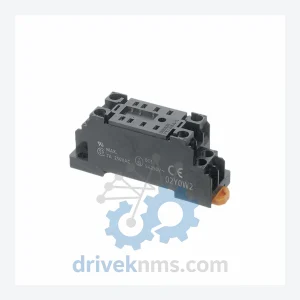
OMRON PYF08A-E Relay Socket – MY Series
Omron PYF08A-E is listed for MY Series RFQ review. Confirm quantity, condition and destination before quotation.
RFQ-ready industrial model
Model: MY51
Product Overview
Commercial availability is handled through direct RFQ, model verification and export-oriented follow-up rather than public cart checkout.
Datasheet Preview
Use attached product manuals when available. If the manual is not public yet, request the full file directly through RFQ.
Commercial Path
Product pages on DRIVEKNMS are designed to verify model, brand and series first, then move the buyer into one clean quotation path.
Technical Dossier
The Mitsubishi Electric MY Series relay modules occupy a well-established position in global heavy industrial automation infrastructure. Deployed across chemical processing plants, petroleum refineries, nuclear power auxiliary systems, and large-scale discrete manufacturing lines, the MY Series has served as a reliable interface layer between control logic and field devices for decades. The MY51, as a representative unit of this series, is a miniature power relay module designed for integration into Mitsubishi's broader control and sequencer ecosystems. Its compact form factor, standardized coil voltage ratings, and high contact reliability have made it a default specification in facilities where long-term parts availability and interchangeability are engineering requirements rather than preferences.
The MY Series was introduced as part of Mitsubishi Electric's relay product line targeting industrial control panel builders and OEM machine manufacturers. Early variants were designed around single-pole and double-pole contact configurations with coil voltages standardized at 24VDC, 100VAC, and 200VAC to align with global panel wiring conventions. The architecture prioritized plug-in socket compatibility, allowing field replacement without rewiring — a critical design decision that extended the series' operational lifespan across multiple generations of control hardware.
As industrial automation evolved through the 1990s and 2000s, the MY Series maintained backward compatibility with its socket family (PYF, PTF series), enabling facilities to upgrade relay units without modifying existing panel layouts. The introduction of LED indicators and diode surge suppression options addressed the growing need for diagnostic visibility and coil protection in high-cycle applications. In modern installations, MY Series relays are frequently found operating alongside Mitsubishi MELSEC PLC families (FX, Q, iQ-R series), functioning as output interface relays between PLC transistor outputs and higher-current field loads. The series is now considered mature, with production continuing for standard variants while certain specialized configurations have transitioned to end-of-life status.
The following SKUs represent verified models within the Mitsubishi Electric MY Series relay product line, organized by contact configuration and coil specification:
MY51 (DC24V): DPDT miniature power relay, 24VDC coil, 5A contact rating, plug-in type
MY2 (DC24V): DPDT general-purpose relay, 24VDC coil, 5A contacts, standard socket mount
MY2 (AC100/110V): DPDT relay, 100/110VAC coil, 5A contacts, for AC control circuits
MY2 (AC200/220V): DPDT relay, 200/220VAC coil, 5A contacts, high-voltage AC panel use
MY4 (DC24V): 4PDT miniature relay, 24VDC coil, 3A contacts, high pole-count switching
MY4 (AC100/110V): 4PDT relay, 100/110VAC coil, 3A contacts, multi-circuit control
MY4 (AC200/220V): 4PDT relay, 200/220VAC coil, 3A contacts, industrial panel standard
MY2N (DC24V): DPDT relay with LED indicator, 24VDC coil, 5A contacts, diagnostic-ready
MY2N (AC100V): DPDT relay with LED indicator, 100VAC coil, 5A contacts
MY4N (DC24V): 4PDT relay with LED indicator, 24VDC coil, 3A contacts
MY4N (AC100V): 4PDT relay with LED indicator, 100VAC coil, 3A contacts
MY2IN (DC24V): DPDT relay with LED + diode, 24VDC coil, 5A contacts, surge-suppressed
MY4IN (DC24V): 4PDT relay with LED + diode, 24VDC coil, 3A contacts, surge-suppressed
MY2Z (DC24V): DPDT relay with varistor, 24VDC coil, 5A contacts, AC/DC coil protection
MY4Z (DC24V): 4PDT relay with varistor, 24VDC coil, 3A contacts, AC/DC coil protection
MY51 (AC100V): DPDT miniature power relay, 100VAC coil, 5A contacts, plug-in socket type
MY51 (AC200V): DPDT miniature power relay, 200VAC coil, 5A contacts, plug-in socket type
DriveKNMS maintains an active inventory program for Mitsubishi MY Series relay modules, including variants that have been discontinued from standard distribution channels. For facilities operating legacy control panels where socket types (PYF08A, PTF08A) are fixed and relay substitution requires exact form-factor matching, sourcing the original MY Series model is frequently the only viable option without panel redesign.
MY Series relay modules, while mechanically straightforward, require systematic verification before deployment in safety-relevant or high-cycle industrial applications. DriveKNMS applies the following test protocol to all MY Series units processed through its facility:
Coil resistance measurement is performed against published nominal values for each coil voltage variant to identify open-coil or degraded-winding conditions. Contact resistance is measured across all poles under no-load conditions using a four-wire milliohm measurement method, with acceptance thresholds set per Mitsubishi's published contact resistance specifications. Operate and release voltage testing confirms that the relay actuates within the specified voltage window, identifying units with weakened magnetic circuits. Contact continuity cycling is performed at rated load for a defined number of operations to verify contact integrity under working conditions. For units with LED indicators or suppression components (diode, varistor), the auxiliary circuit is tested independently to confirm functionality without affecting the main contact circuit. Physical inspection covers contact surface condition, coil bobbin integrity, and socket pin condition to identify mechanical wear or corrosion that would affect field reliability.
Continue The Model Path
Move from this exact model into the matching system hub, brand archive, model-family archive or lifecycle sourcing route before sending a final RFQ list.
Related Paths
Omron PYF08A-E is listed for MY Series RFQ review. Confirm quantity, condition and destination before quotation.
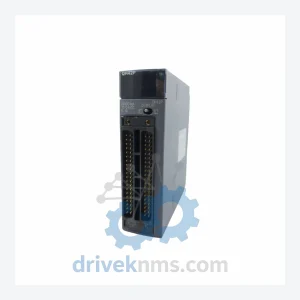
Mitsubishi Electric QX48Y57 BD627B662G51 is listed for Servo Drives RFQ review. Confirm quantity, condition and destination before quotation.
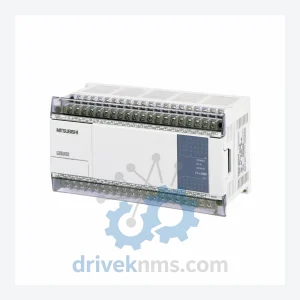
Mitsubishi Electric FX1N-40MC is listed for FX1N Series RFQ review. Confirm quantity, condition and destination before quotation.