
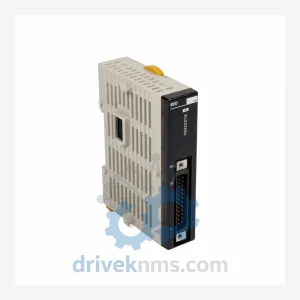
OMRON CPM2C-8EDM CPU Unit – Obsolete CPM2C Series Spare Part
OMRON CPM2C-8EDM CPU Unit – Obsolete CPM2C Series Spare Part When an OMRON CPM2C-8EDM CPU unit fails on the production…
Model: CPM1A-40CDR-A
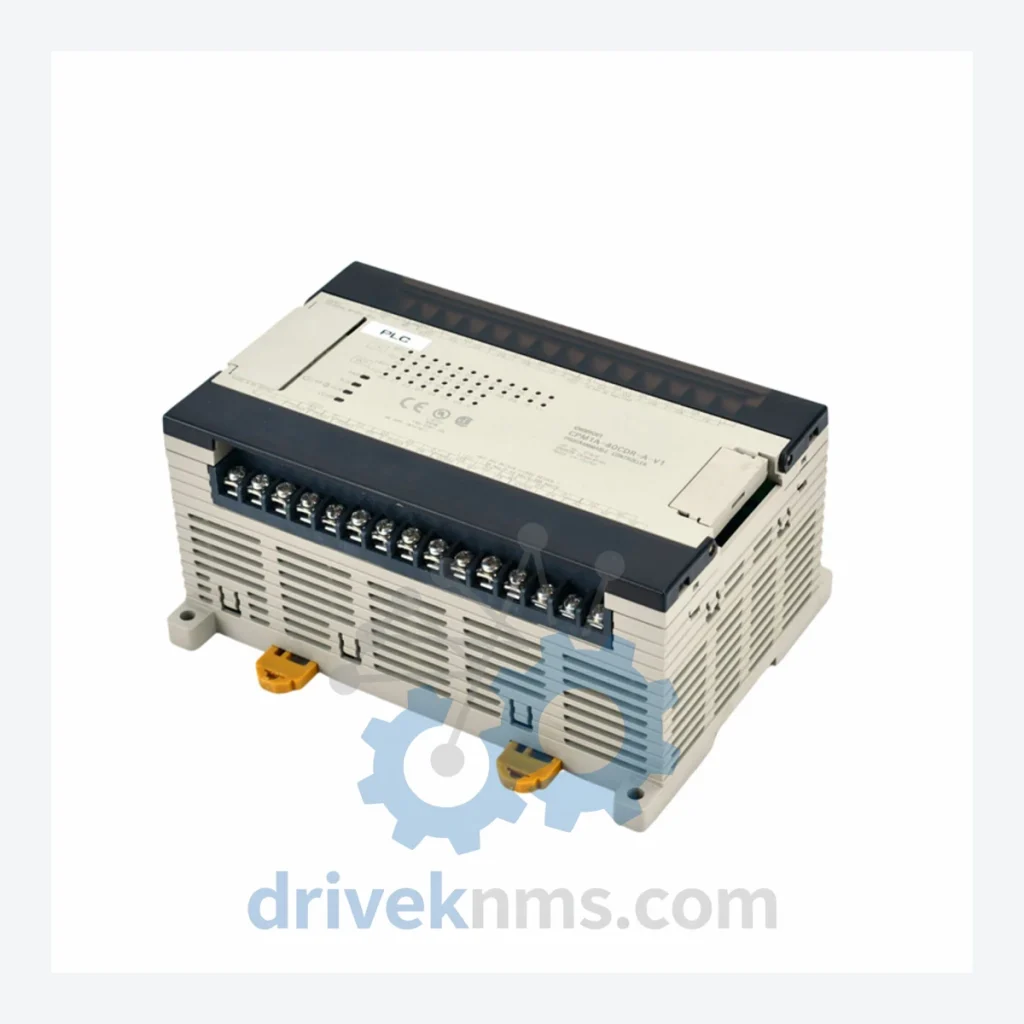
Product Overview
Commercial availability is handled through direct RFQ, model verification and export-oriented follow-up rather than public cart checkout.
Datasheet Preview
Use attached product manuals when available. If the manual is not public yet, request the full file directly through RFQ.
Commercial Path
Product pages on DRIVEKNMS are designed to verify model, brand and series first, then move the buyer into one clean quotation path.
Technical Dossier
The OMRON CPM1A series is a compact, fixed-I/O programmable logic controller platform deployed extensively across global heavy industry — including petrochemical plants, pharmaceutical manufacturing lines, water treatment facilities, and power generation auxiliaries. With a production lifecycle spanning from the mid-1990s through the 2000s, CPM1A units accumulated a massive installed base across Asia-Pacific, Europe, and the Americas. Their relay and transistor output variants remain embedded in legacy control architectures that are not scheduled for replacement, making long-term spare parts availability a critical operational concern for plant engineers and maintenance managers worldwide.
The CPM1A was introduced as a successor to OMRON's CPM1 platform, inheriting the same SYSMAC instruction set while expanding I/O density and peripheral connectivity. The core CPU integrates a built-in RS-232C port (on select models) and supports peripheral bus communication via the CPM1A's dedicated expansion I/O units. Clock speeds and memory capacities were fixed per model — the 10-point units offered 2,048 words of data memory, while the 40-point units extended this to support more complex ladder logic programs.
Architecturally, the CPM1A operates on a single-bus backplane-free design: expansion units connect directly to the CPU unit via a proprietary side-bus connector, eliminating the need for a rack. This design reduced panel footprint but imposed a hard limit of three expansion units per CPU. Communication options included the Host Link (SYSMAC WAY) protocol over RS-232C, enabling integration with OMRON's SCADA and HMI platforms of the era, including the NT-series operator terminals.
As the platform matured, OMRON introduced the CPM2A and subsequently the CP1E/CP1L/CP1H families as functional replacements. The CP1E series is the current recommended migration path for CPM1A applications, offering backward-compatible instruction sets and modern Ethernet/USB connectivity. However, direct hardware substitution is not possible without I/O rewiring and program conversion, meaning the CPM1A remains in active service at sites where migration costs are prohibitive.
The following SKUs represent verified, commonly sourced models within the OMRON CPM1A series, classified by I/O count and output type:
CPU Units — Relay Output
CPU Units — Transistor Output (Sinking / NPN)
CPU Units — Transistor Output (Sourcing / PNP)
Expansion I/O Units
Analog I/O Units
Communication & Special Function Units
OMRON officially discontinued the CPM1A series, and new-manufacture stock is no longer available through authorized distribution channels. For plant operators maintaining CPM1A-based control systems, the procurement challenge is significant: lead times from secondary market sources are unpredictable, and counterfeit units have been documented in the supply chain.
DriveKNMS maintains a dedicated inventory of CPM1A CPU units and expansion modules sourced from verified industrial decommissions, OEM overstock, and long-term storage facilities. All units are catalogued by part number, firmware revision where identifiable, and physical condition grade. For critical applications, DriveKNMS can provide matched pairs of CPU and expansion units to ensure bus compatibility. Customers operating CPM1A systems in 24/7 environments — refineries, chemical batch reactors, municipal water systems — are advised to maintain a minimum of one cold-standby CPU unit on-site. DriveKNMS supports blanket purchase orders and consignment stocking arrangements for high-volume maintenance contracts.
Each CPM1A unit processed by DriveKNMS undergoes a structured inspection and functional verification protocol before dispatch:
Related Paths
OMRON CPM2C-8EDM CPU Unit – Obsolete CPM2C Series Spare Part When an OMRON CPM2C-8EDM CPU unit fails on the production…
OMRON CPM2C-20CDT1C-D: Sourcing Strategy & Asset Return Value in a Constrained Global Supply Chain The OMRON CPM2C-20CDT1C-D is a compact,…
OMRON XWT Series: Comprehensive Module Range and Technical Overview The OMRON XWT Series represents OMRON's dedicated line of DeviceNet-compatible remote…