
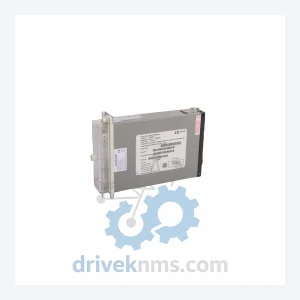
ALSTOM MVAJ105RA0802A Protection Relay – MiCOM Series
ALSTOM MVAJ105RA0802A Protection Relay: Supply Continuity Strategy for a Discontinued Critical Component The ALSTOM MVAJ105RA0802A is a numerical protection relay…
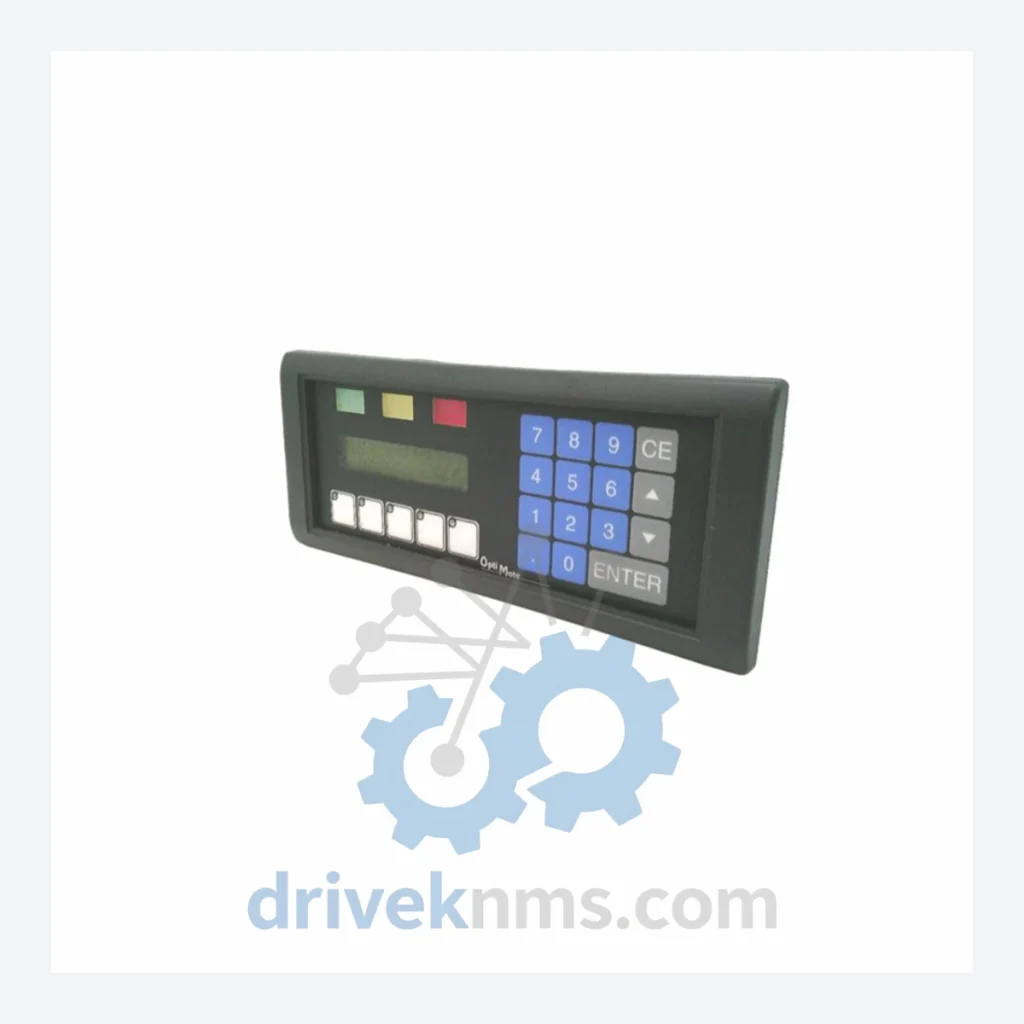
Model: OP-1500
Product Overview
Commercial availability is handled through direct RFQ, model verification and export-oriented follow-up rather than public cart checkout.
Datasheet Preview
Use attached product manuals when available. If the manual is not public yet, request the full file directly through RFQ.
Commercial Path
Product pages on DRIVEKNMS are designed to verify model, brand and series first, then move the buyer into one clean quotation path.
Technical Dossier
The Optimate Interface OP Series operator terminal panels are deployed across heavy industrial environments including petrochemical refineries, chemical processing plants, nuclear power facilities, and offshore oil & gas platforms. The OP Series functions as the human-machine interface (HMI) layer within distributed control system (DCS) and programmable logic controller (PLC) architectures, providing operators with real-time process visualization, alarm management, and parameter input capabilities. The OP-1500 represents a mid-range unit within this series, offering a balance of display resolution, communication protocol support, and environmental ruggedization suitable for panel-mount installation in Class I industrial enclosures.
The Optimate Interface OP Series has progressed through several distinct hardware generations since its introduction. Early units in the OP-500 and OP-700 range relied on proprietary serial communication buses (RS-232/RS-485) and monochrome LCD displays with membrane keypads. The transition to the OP-1000 generation introduced backlit STN displays and expanded memory for ladder logic-linked tag databases. The OP-1500 and OP-2000 generation marked the shift to 16-bit color TFT displays, Ethernet TCP/IP connectivity, and support for open protocols including Modbus TCP, PROFIBUS DP, and MPI. Later units in the OP-3000 and OP-5000 range introduced capacitive touchscreens, USB host ports, and SD card slots for recipe and data logging. Compatibility between generations is limited: OP-500/700 projects require migration tools to port to OP-1500 or later platforms, and backplane bus pinouts are not interchangeable across generations. Facilities running mixed-generation OP Series installations must maintain separate spare parts inventories for each hardware revision.
The following SKUs represent verified models within the Optimate Interface OP Series. Units are categorized by functional role within the control system architecture.
Operator Terminal Panels (HMI Display Units)
Communication & Interface Adapters
Power Supply & Accessories
Several units within the OP Series — including the OP-500, OP-700, and OP-1000 — have reached end-of-life (EOL) status and are no longer manufactured. The OP-1500 itself is in the mature/declining phase of its product lifecycle, with OEM support for firmware updates and replacement displays becoming increasingly limited. DriveKNMS maintains a dedicated inventory of tested surplus and refurbished OP Series units sourced from decommissioned plant equipment, controlled shutdowns, and authorized liquidation channels. For facilities that cannot undertake a full HMI migration project — due to budget constraints, legacy PLC compatibility requirements, or regulatory freeze periods — DriveKNMS provides lifecycle extension support including: unit-level repair and refurbishment, display panel replacement (STN and TFT), keypad membrane replacement, flash memory upgrades, and firmware version matching to existing project files. All sourced units are cross-referenced against original OEM part numbers prior to dispatch.
OP Series operator terminals present specific quality control challenges due to their integrated display assemblies, proprietary communication backplanes, and non-standard connector pinouts. DriveKNMS applies a structured test protocol to all OP Series units prior to shipment. Each unit undergoes: (1) visual inspection of PCB, connector pins, and display bezel for physical damage; (2) power-on test at rated input voltage (24 VDC or 48 VDC as applicable); (3) display pixel mapping to identify dead pixel clusters exceeding OEM tolerance thresholds; (4) communication port verification using protocol-specific test equipment for RS-232, RS-485, MPI, PROFIBUS DP, and Ethernet interfaces; (5) keypad/touchscreen input response test across all defined function zones; (6) memory read/write cycle test on internal flash and any installed CF/SD media; (7) thermal soak at 40°C for 2 hours to screen for marginal solder joints and capacitor degradation. Units that fail any stage are either repaired to specification or quarantined and not offered for sale.
© 2026 DriveKNMS. All trademarks belong to their respective owners. Specifications are for reference only and subject to change without notice. Verify all parameters against official documentation before installation.
Related Paths
ALSTOM MVAJ105RA0802A Protection Relay: Supply Continuity Strategy for a Discontinued Critical Component The ALSTOM MVAJ105RA0802A is a numerical protection relay…
MOORE 16137 Series: Comprehensive Module Range and Technical Overview The MOORE 16137 Series represents a core component family within Moore…
FUJI EP-3364B-CA-Z2 Inverter Control Board: Supply Continuity Strategy for a Discontinued Critical Spare The FUJI EP-3364B-CA-Z2 is a control board…