
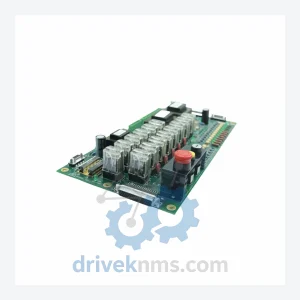
Philips 4535 670 73831 / 4535 670 06391 Power Board
Philips 4535 Series: Comprehensive Module Range and Technical Overview The Philips 4535 series power boards occupy a well-established position in…
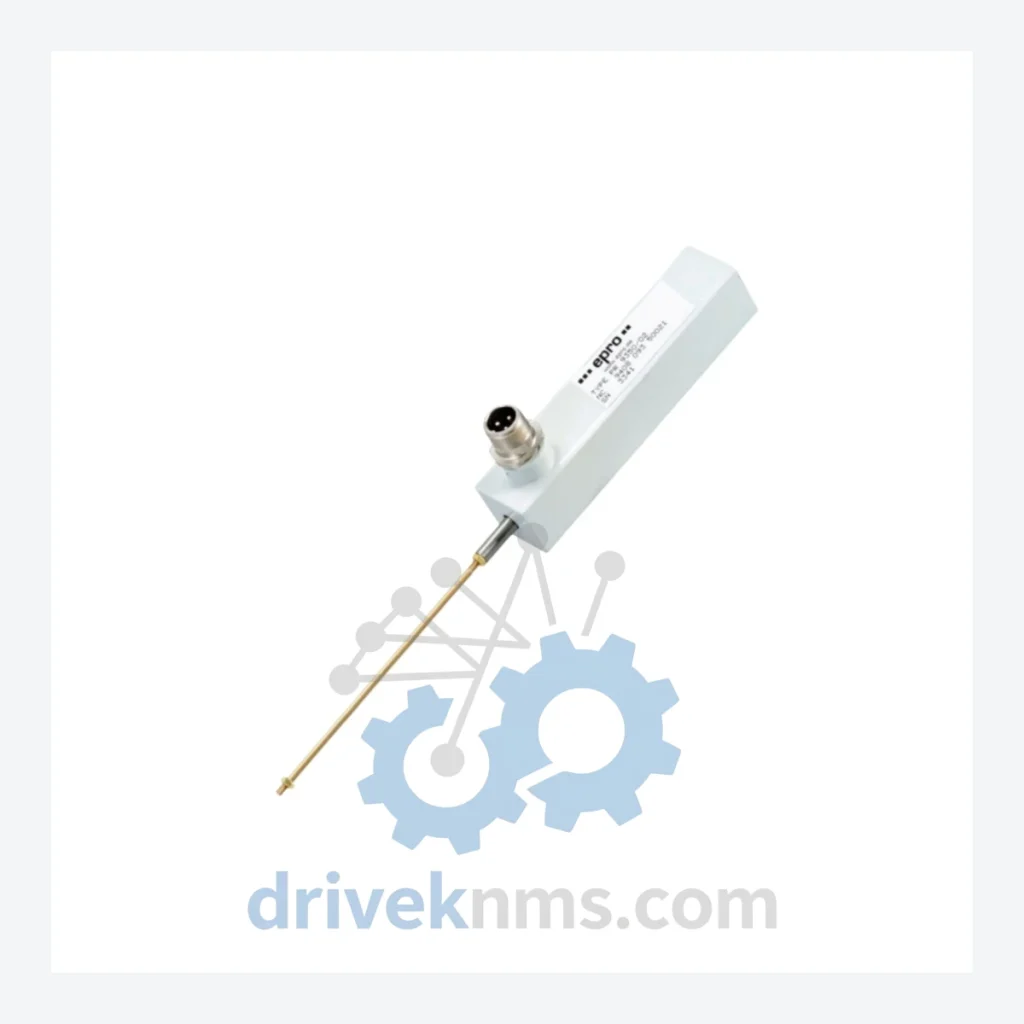
Model: PR9350/04
Product Overview
Commercial availability is handled through direct RFQ, model verification and export-oriented follow-up rather than public cart checkout.
Datasheet Preview
Use attached product manuals when available. If the manual is not public yet, request the full file directly through RFQ.
Commercial Path
Product pages on DRIVEKNMS are designed to verify model, brand and series first, then move the buyer into one clean quotation path.
Technical Dossier
The Philips PR9350 series of inductive linear position sensors occupies a well-established position in global heavy industry, with documented installations across petrochemical complexes, nuclear power stations, offshore platforms, and continuous-process refineries. These sensors operate on the variable-reluctance (inductive) measurement principle, delivering non-contact, wear-free displacement measurement in environments where mechanical contact sensors fail due to vibration, contamination, or thermal stress. The PR9350 series interfaces directly with Philips and compatible vibration monitoring systems, making it a standard reference component in turbomachinery protection and condition monitoring architectures worldwide. Its rugged IP67-rated housing and wide operating temperature range have sustained its specification in both greenfield projects and long-term maintenance contracts for legacy plant infrastructure.
The PR9350 series was developed by Philips Industrial Electronics as part of a broader portfolio of vibration and position transducers designed for rotating machinery protection. Early variants were engineered for direct integration with Philips VM600 and equivalent rack-based monitoring systems, using a two-wire inductive output compatible with standard eddy-current driver electronics. The core sensing element — a precision-wound inductive coil within a stainless steel housing — remained consistent across generations, while connector configurations, cable lengths, and sensitivity ranges were differentiated to address specific OEM and retrofit requirements.
As the industrial automation market consolidated through the 1990s and 2000s, Philips divested its industrial measurement division, and the PR9350 series transitioned through successor ownership. This created a fragmentation in supply chains: original Philips-branded units became progressively harder to source through standard distribution, while the installed base in operating plants continued to demand exact-match replacements to avoid recalibration of monitoring systems. The PR9350/04 specifically represents a mid-range stroke variant with a defined sensitivity coefficient, making cross-substitution with other sub-variants technically inadvisable without system-level reconfiguration. Compatibility with Bently Nevada, Emerson, and Metrix signal conditioning electronics has been validated in field applications, extending the operational relevance of this series beyond its original Philips ecosystem.
The following SKUs represent verified models within the Philips PR9350 inductive linear position sensor series, classified by measurement range, sensitivity, and connector/cable configuration:
PR9350/01: Short-range inductive linear sensor, 4 mm nominal range, standard M12 connector output.
PR9350/02: Extended sensitivity variant, 8 mm nominal range, two-wire inductive output, straight cable exit.
PR9350/03: Mid-range displacement sensor, 12 mm stroke, compatible with Philips VM600 driver cards.
PR9350/04: Inductive linear position sensor, defined sensitivity coefficient, stainless steel housing, IP67, for turbomachinery axial position monitoring.
PR9350/05: Long-range variant, 20 mm nominal stroke, angled cable exit, high-temperature rated to 120°C.
PR9350/06: High-resolution version, sub-micron linearity specification, for precision machine tool and press applications.
PR9350/07: Differential output configuration, dual-coil design, for bridge-circuit signal conditioning systems.
PR9350/08: Compact body variant, reduced OD for space-constrained mounting brackets in compressor housings.
PR9350/09: Extended cable assembly, 5 m integral cable, for remote sensor installations in large turbine enclosures.
PR9350/10: ATEX-rated variant, Zone 1/Zone 2 certified, for use in explosive atmosphere classified areas.
PR9350/11: High-temperature body, rated to 180°C continuous, for steam turbine bearing housing installations.
PR9350/12: Submersible variant, IP68 rated, for below-grade or flooded-cavity measurement points.
PR9350/13: Metric thread body (M14×1.5), direct replacement for legacy European OEM turbine frames.
PR9350/14: UNF thread body (1/2-20 UNF), for North American API-standard machinery installations.
PR9350/15: Extended temperature range variant (-40°C to +150°C), for outdoor and arctic-environment rotating equipment.
PR9350/16: High-sensitivity long-stroke version, 25 mm range, for slow-speed machinery and hydraulic actuator position feedback.
PR9350/17: Dual-output variant with 4–20 mA and voltage output simultaneously, for split monitoring and control system architectures.
The PR9350 series has entered the mature-to-end-of-life phase of its product lifecycle. Original Philips manufacturing has ceased, and authorized distribution channels no longer carry stock. For plant operators running continuous processes — refineries, power generation facilities, chemical plants — replacing a failed PR9350/04 or any sub-variant with a non-identical sensor requires recalibration of the associated monitoring channel, a process that demands plant downtime and engineering resource. DriveKNMS maintains a dedicated inventory of PR9350 series units sourced through verified industrial surplus, decommissioned plant asset recovery, and qualified secondary-market channels. Each unit is individually inspected and tested prior to dispatch. DriveKNMS provides traceability documentation, including source records and test reports, to support maintenance engineering review and plant quality management system requirements. For customers requiring long-term supply agreements — covering multi-year maintenance schedules for large rotating equipment fleets — DriveKNMS offers reserved stock allocation on confirmed PR9350 sub-variants.
The PR9350 series presents specific quality verification challenges due to its inductive sensing principle and the precision of its coil winding and housing geometry. DriveKNMS applies a structured test protocol to all PR9350 units prior to shipment. Inductance measurement is performed at the nominal operating frequency to verify coil integrity and confirm the sensitivity coefficient matches the sub-variant specification. Insulation resistance testing between the sensing coil and the housing ground confirms the absence of moisture ingress or dielectric breakdown — a common failure mode in units recovered from high-humidity environments. Dimensional inspection of the thread form, body OD, and cable exit geometry is conducted against reference drawings to confirm fitment compatibility with the target installation. For ATEX-rated variants (PR9350/10), certification markings and barrier integrity are verified as part of the acceptance checklist. All test data is recorded and supplied with the unit shipment as part of the DriveKNMS quality documentation package.
© 2026 DriveKNMS. All trademarks belong to their respective owners. Specifications are for reference only and subject to change without notice. Verify all parameters against official documentation before installation.
Related Paths
Philips 4535 Series: Comprehensive Module Range and Technical Overview The Philips 4535 series power boards occupy a well-established position in…
Philips LD5001M Displacement Transducer: Global Sourcing Strategy & Asset Return Value The Philips LD5001M is a precision displacement transducer designed…
Philips 940622127011 CPU Card – Obsolete ISSC Spare Part When a CPU card fails inside a legacy Philips ISSC control…