
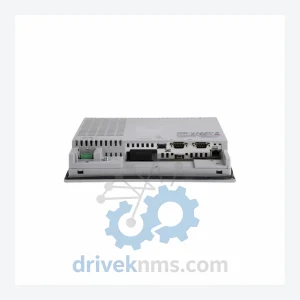
Pro-face PFXGP4501TAD HMI Touch Panel – Obsolete GP4000 Series Spare Part
Pro-face PFXGP4501TAD HMI Touch Panel – Obsolete GP4000 Series Spare Part When a Pro-face PFXGP4501TAD fails on the production floor,…
Model: GP-4401T
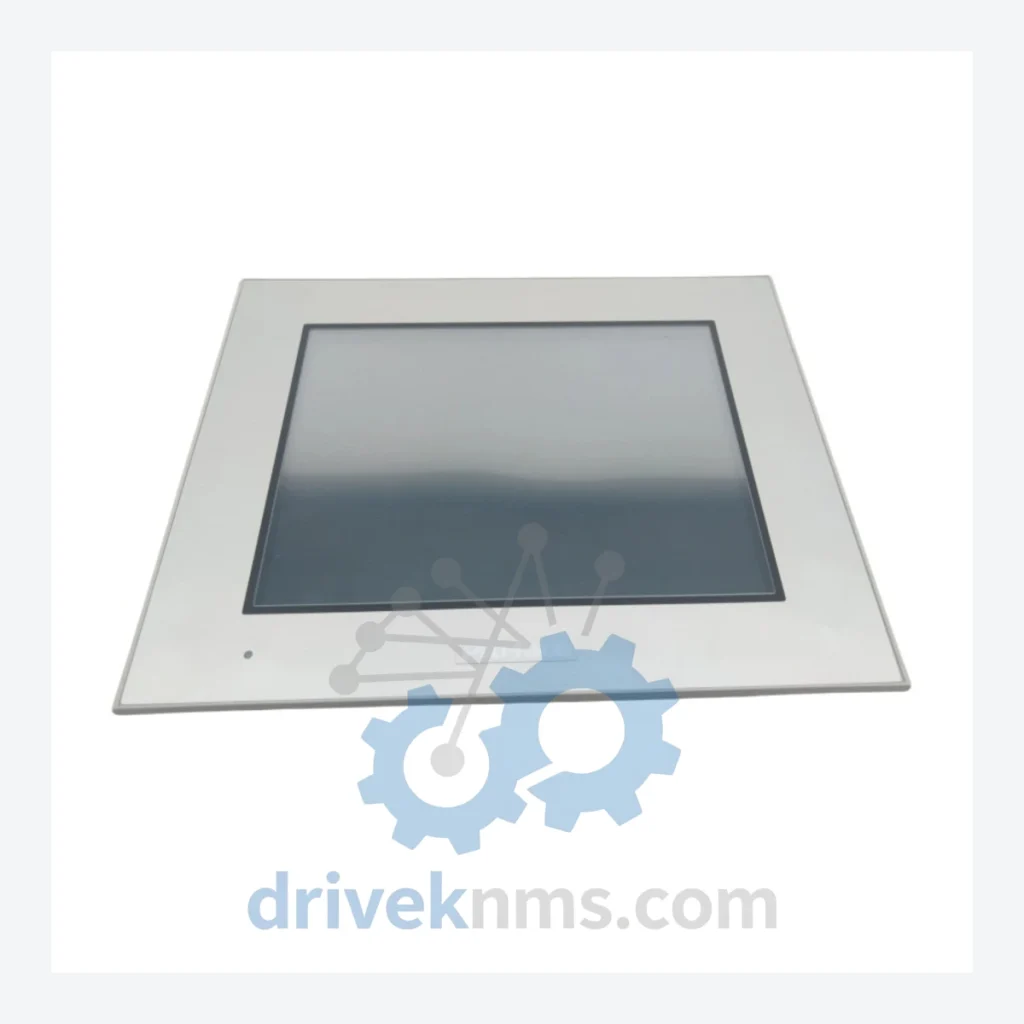
Product Overview
Commercial availability is handled through direct RFQ, model verification and export-oriented follow-up rather than public cart checkout.
Datasheet Preview
Use attached product manuals when available. If the manual is not public yet, request the full file directly through RFQ.
Commercial Path
Product pages on DRIVEKNMS are designed to verify model, brand and series first, then move the buyer into one clean quotation path.
Technical Dossier
The Pro-face GP4000 Series is a line of industrial programmable operator interfaces (HMI) manufactured by Schneider Electric's Pro-face brand, headquartered in Japan. These units are deployed across heavy-process industries including petrochemical refineries, nuclear power auxiliary systems, offshore platforms, pulp and paper mills, and continuous casting steel plants. The GP4000 Series occupies the mid-to-high tier of Pro-face's HMI portfolio, offering TFT color displays ranging from 5.7" to 15" diagonal, with integrated Ethernet, serial, and USB communication ports. Installed base counts in the tens of thousands of units globally, making long-term spare parts availability a critical operational concern for plant maintenance teams.
The GP4000 Series succeeded the GP3000 Series (circa 2003–2008), which itself replaced the GP2000 line. The architectural transition from GP3000 to GP4000 introduced a 32-bit RISC processor core, expanded onboard RAM (from 32 MB to 64–128 MB depending on model), and replaced the proprietary GP-PRO/PB III configuration software with the unified GP-Pro EX platform (v1.0 released 2007, current branch v4.x). This software transition created a compatibility boundary: GP3000 projects require conversion utilities before deployment on GP4000 hardware. The GP4000 Series introduced dual Ethernet ports on select models (GP-4601T, GP-4501T), enabling simultaneous connection to plant DCS networks and isolated maintenance LANs — a topology requirement common in IEC 61511 SIL-rated process environments. Serial communication retained RS-232C and RS-422/485 interfaces for backward compatibility with legacy PLCs (Mitsubishi MELSEC, Omron SYSMAC, Siemens S7 via dedicated driver libraries). The GP4000 Series is now in the mature/end-of-active-production phase. Schneider Electric Pro-face has transitioned new project specifications toward the SP5000 Series. However, GP4000 units remain in active service at the majority of installed sites, and replacement parts, repaired units, and tested surplus stock remain commercially available through specialist distributors.
The following SKUs represent the core GP4000 Series module range, classified by display size and communication configuration. All units run GP-Pro EX and support Ethernet/IP, Modbus TCP, and serial multi-drop topologies.
GP-4401T: 7.5" TFT color, 640×480, single Ethernet, RS-232C/422/485, USB host/device
GP-4402T: 7.5" TFT color, 640×480, dual Ethernet, RS-232C/422/485, USB host/device
GP-4301T: 5.7" TFT color, 320×240, single Ethernet, RS-232C/422/485, USB device
GP-4302T: 5.7" TFT color, 320×240, dual Ethernet, RS-232C/422/485, USB host/device
GP-4501T: 10.4" TFT color, 800×600, dual Ethernet, RS-232C/422/485, USB host/device
GP-4502T: 10.4" TFT color, 800×600, dual Ethernet, CF card slot, USB host/device
GP-4503T: 10.4" TFT color, 800×600, dual Ethernet, SD card slot, extended I/O option
GP-4601T: 12.1" TFT color, 800×600, dual Ethernet, RS-232C/422/485, USB host/device
GP-4602T: 12.1" TFT color, 800×600, dual Ethernet, CF card slot, USB host/device
GP-4701T: 15.0" TFT color, 1024×768, dual Ethernet, RS-232C/422/485, USB host/device
GP-4702T: 15.0" TFT color, 1024×768, dual Ethernet, CF card slot, USB host/device
GP-4105G: 3.8" STN grayscale, 320×240, single Ethernet, RS-232C, USB device — compact panel mount
GP-4106G: 3.8" STN grayscale, 320×240, RS-232C only, no Ethernet — serial-only legacy interface
GP-4201T: 5.7" TFT color, 320×240, single Ethernet, RS-232C, USB device — entry-level color
GP-4202T: 5.7" TFT color, 320×240, dual Ethernet, RS-232C/422/485, USB host/device
GP-4203T: 5.7" TFT color, 320×240, dual Ethernet, SD card slot, extended memory option
GP-4301TM: 5.7" TFT color, marine-rated variant, IP65 front, single Ethernet, RS-232C/422/485
DriveKNMS maintains a dedicated inventory program for GP4000 Series units that have reached end-of-active-production status with Schneider Electric Pro-face. For models such as the GP-4401T, GP-4301T, and GP-4105G, DriveKNMS sources units through three channels: tested surplus from decommissioned plant assets, factory-refurbished units with 12-month operational warranty, and new-old-stock (NOS) from authorized distributor closeouts. Each unit is cross-referenced against the Pro-face GP-Pro EX firmware compatibility matrix to confirm the installed firmware version is current or upgradeable. For sites requiring long-term maintenance agreements (LTMAs), DriveKNMS can reserve allocated stock quantities against a site-specific asset register, providing guaranteed availability for scheduled turnaround maintenance windows. Lead times for standard GP4000 models are typically 3–10 business days ex-warehouse. Critical-path emergency orders are processed within 24 hours subject to stock confirmation.
GP4000 Series units present specific test challenges due to their integrated backplane communication bus and multi-port Ethernet architecture. DriveKNMS applies the following test protocol to all GP4000 units prior to dispatch: (1) Power-on self-test (POST) verification — unit must complete boot sequence to GP-Pro EX runtime without error codes; (2) Display uniformity check — TFT panel inspected for dead pixel clusters, backlight uniformity, and touch calibration accuracy across a 9-point grid; (3) Ethernet port functional test — both Ethernet ports (where fitted) tested for 10/100 Mbps link negotiation and frame transmission using a dedicated test PLC; (4) Serial port loopback test — RS-232C, RS-422, and RS-485 ports tested at 9600, 19200, and 115200 baud; (5) USB host/device enumeration test — USB ports verified for correct device recognition; (6) CF/SD card slot read/write test (where applicable) — verified with standardized test card at rated transfer speed; (7) 48-hour burn-in at 40°C ambient — units operated continuously to screen early-life failures before shipment. Test records are retained per unit serial number and are available to customers on request.
© 2026 DriveKNMS. All trademarks belong to their respective owners. Specifications are for reference only and subject to change without notice. Verify all parameters against official documentation before installation.
Related Paths
Pro-face PFXGP4501TAD HMI Touch Panel – Obsolete GP4000 Series Spare Part When a Pro-face PFXGP4501TAD fails on the production floor,…
Pro-face GP570 Series: Comprehensive Module Range and Technical Overview The Pro-face GP570 series is a line of industrial Human-Machine Interface…
Pro-face AGP3600 Series: Comprehensive Module Range and Technical Overview The Pro-face AGP3600 series is a line of industrial Human-Machine Interface…