
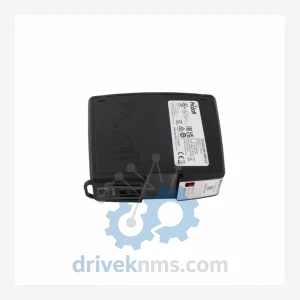
ProSoft Technology PLX32 Series Modules
ProSoft Technology PLX32 Series: Comprehensive Module Range and Technical Overview The ProSoft Technology PLX32 series is a family of standalone,…
Model: 3100-INUSA
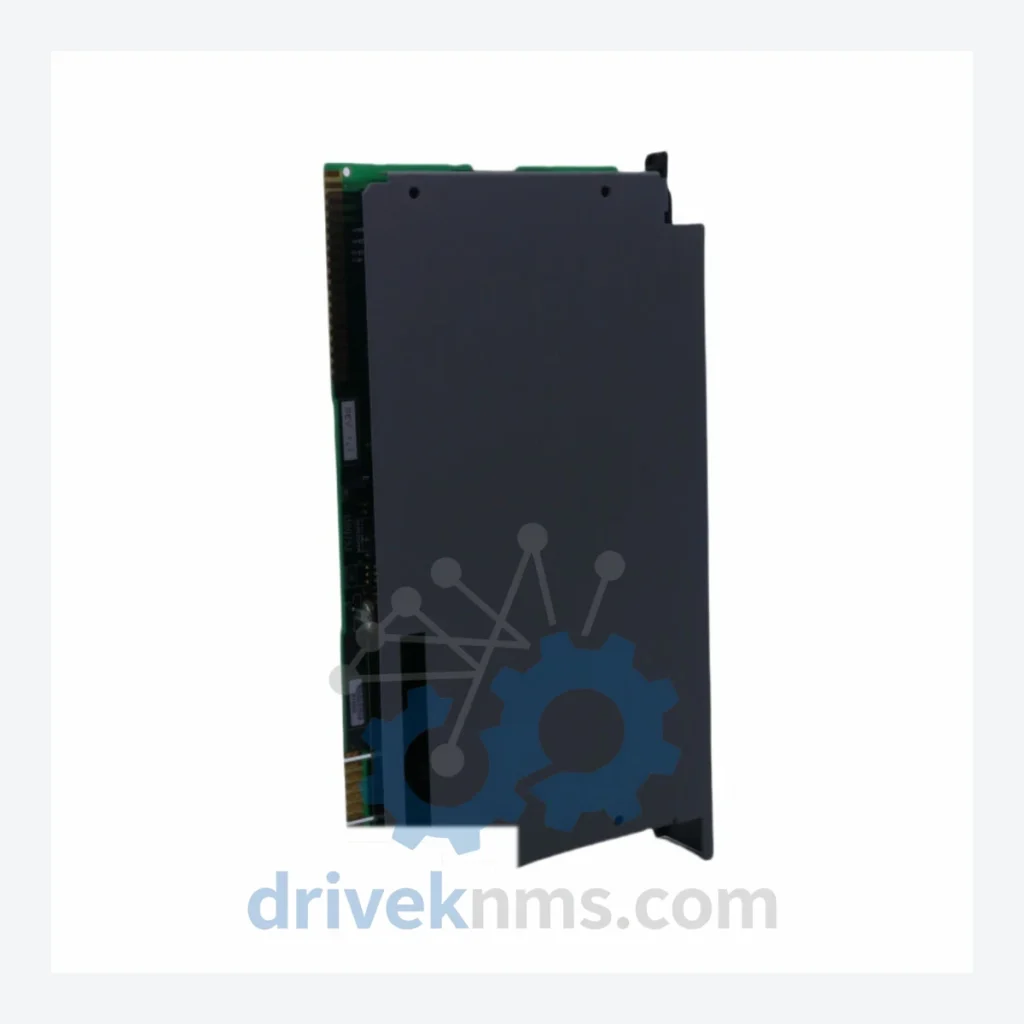
Product Overview
Commercial availability is handled through direct RFQ, model verification and export-oriented follow-up rather than public cart checkout.
Datasheet Preview
Use attached product manuals when available. If the manual is not public yet, request the full file directly through RFQ.
Commercial Path
Product pages on DRIVEKNMS are designed to verify model, brand and series first, then move the buyer into one clean quotation path.
Technical Dossier
The ProSoft Technology 3100 Series represents one of the most widely deployed communication module families in heavy industrial automation. Designed as in-rack solutions for Rockwell Automation Allen-Bradley PLC-5 and SLC 500 platforms, these modules have accumulated significant installed base across global process industries including petroleum refining, chemical manufacturing, nuclear power generation, pulp and paper, and water treatment infrastructure. Their passive backplane integration and deterministic communication behavior made them the default choice for protocol bridging in facilities where replacing the host PLC was not economically viable. As of 2026, the 3100 Series is in its end-of-life phase; however, the global installed base remains substantial, and demand for spare and replacement units continues across long-lifecycle plant environments.
The 3100 Series was introduced by ProSoft Technology in the mid-1990s as a direct response to the protocol fragmentation problem in industrial automation. At that time, Allen-Bradley PLC-5 and SLC 500 controllers dominated the discrete and process control market, but field devices increasingly required communication via Modbus RTU, Modbus ASCII, DF1, DNP3, PROFIBUS, DeviceNet, and proprietary vendor protocols. The 3100 Series addressed this by providing a self-contained protocol converter that occupied a standard I/O slot in the Allen-Bradley chassis, eliminating the need for external gateways or serial converters.
Early 3100 Series modules used RS-232 and RS-485 serial interfaces with fixed baud rates up to 115,200 bps. Firmware was stored on EEPROM and updated via serial download. Configuration was performed through ProSoft's PCB (ProSoft Configuration Builder) software utility. The modules communicated with the host PLC via the backplane using the standard Allen-Bradley block transfer mechanism, exchanging data through mapped input/output files.
As industrial Ethernet became prevalent in the 2000s, ProSoft introduced the MVI56 Series (for ControlLogix) and MVI69 Series (for CompactLogix) as the architectural successors to the 3100 platform. These newer families offered Ethernet-based configuration, expanded memory maps, and support for modern protocols such as EtherNet/IP and IEC 61850. For facilities still operating PLC-5 or SLC 500 hardware, the 3100 Series remains the only in-rack solution; no direct drop-in replacement exists on a modern platform without a full controller migration project.
The following SKUs represent the verified 3100 Series module range. Each unit is a single-slot in-rack module compatible with Allen-Bradley PLC-5 (3100-MCM, 3100-PDPMV1) or SLC 500 (3100-INUSA, 3100-MCM, 3100-DFNT) chassis unless otherwise noted.
Modbus Master/Slave Communication Modules
DF1 & Allen-Bradley Protocol Modules
PROFIBUS Modules
DNP3 & Utility Protocol Modules
ASCII & Generic Serial Modules
DeviceNet Modules
IEC 60870 & Telecontrol Modules
ProSoft Technology officially discontinued active production of the 3100 Series as the Allen-Bradley PLC-5 and SLC 500 platforms reached end-of-life status. Rockwell Automation discontinued the PLC-5 in 2016 and the SLC 500 in 2023. As a result, 3100 Series modules are no longer available through standard distribution channels.
DriveKNMS maintains a dedicated inventory of 3100 Series modules sourced from decommissioned plant equipment, certified refurbishers, and controlled surplus channels. Our procurement team actively tracks global availability of low-volume SKUs including the 3100-PDPMV1, 3100-DNP, and 3100-IEC, which are the most difficult to source due to their specialized protocol support and limited original production volumes.
For facilities operating under long-term maintenance contracts or regulatory frameworks that prohibit controller replacement without re-validation (pharmaceutical GMP, nuclear safety-instrumented systems), DriveKNMS provides lifecycle extension support including unit exchange programs, firmware version matching, and configuration backup services. Customers are encouraged to submit their full BOM (Bill of Materials) for a consolidated availability assessment.
Each 3100 Series module processed by DriveKNMS undergoes a structured verification protocol before shipment. The process addresses the specific failure modes documented in this module family, including backplane connector wear, EEPROM data corruption, and RS-485 transceiver degradation.
Verification steps include: visual inspection of PCB, backplane edge connector, and front-panel port connectors; powered bench test with a compatible Allen-Bradley chassis to confirm backplane communication and block transfer handshake; serial port loopback test at all supported baud rates (1200 to 115,200 bps); protocol-specific functional test using ProSoft Configuration Builder to verify firmware version, configuration read/write, and live data exchange; and final burn-in cycle of minimum 24 hours under simulated load conditions. Modules that do not pass all stages are quarantined and not offered for sale.
Related Paths
ProSoft Technology PLX32 Series: Comprehensive Module Range and Technical Overview The ProSoft Technology PLX32 series is a family of standalone,…
ProSoft PLX31-EIP-MBS Gateway Module – Obsolete EtherNet/IP to Modbus Spare Part When a PLX31-EIP-MBS gateway fails in a running production…
ProSoft Technology MVI46 Series: Comprehensive Module Range and Technical Overview The ProSoft Technology MVI46 series represents one of the most…