
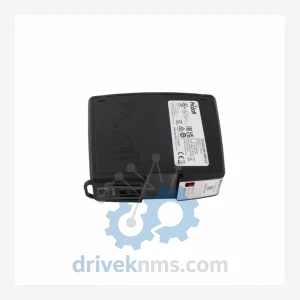
ProSoft Technology PLX32 Series Modules
ProSoft Technology PLX32 Series: Comprehensive Module Range and Technical Overview The ProSoft Technology PLX32 series is a family of standalone,…
Model: 3100-MDA4
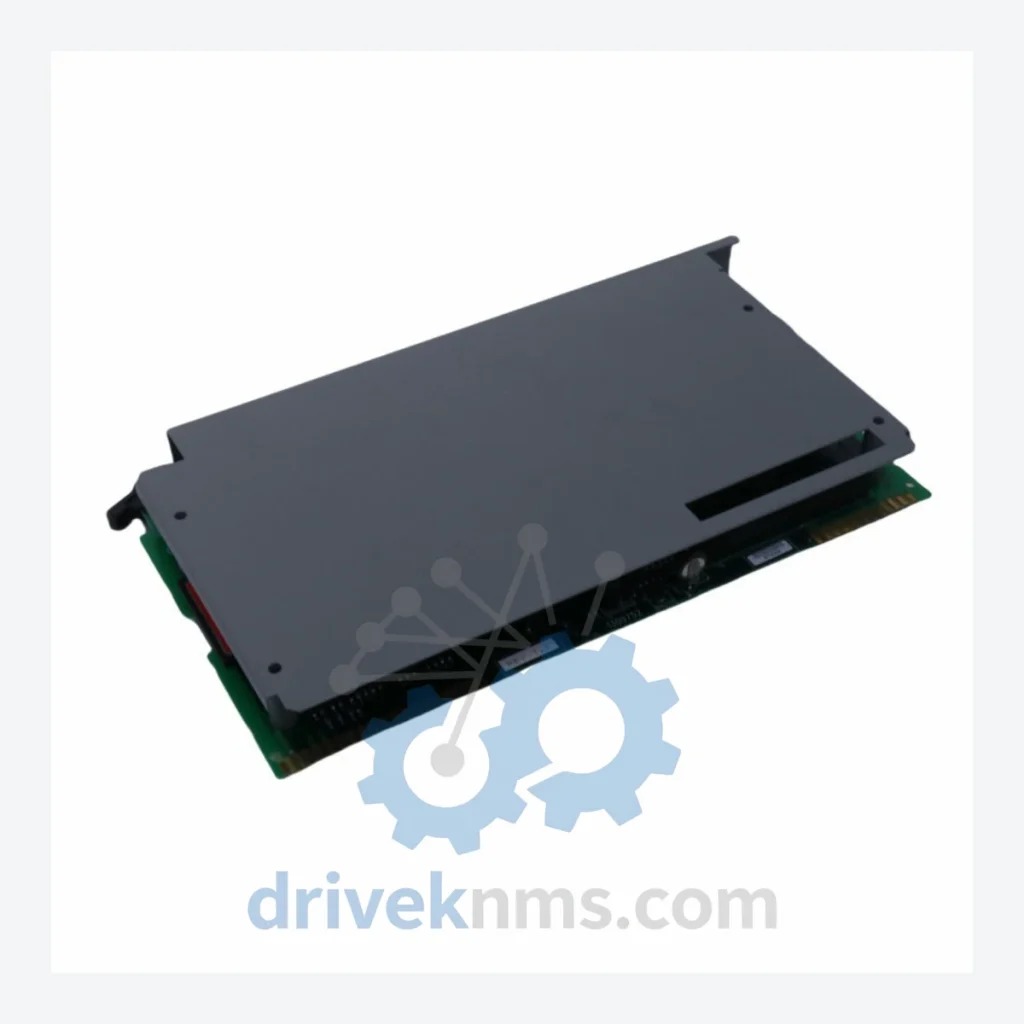
Product Overview
Commercial availability is handled through direct RFQ, model verification and export-oriented follow-up rather than public cart checkout.
Datasheet Preview
Use attached product manuals when available. If the manual is not public yet, request the full file directly through RFQ.
Commercial Path
Product pages on DRIVEKNMS are designed to verify model, brand and series first, then move the buyer into one clean quotation path.
Technical Dossier
The ProSoft Technology System 16 platform is a modular communication and protocol gateway architecture deployed extensively across global heavy industry sectors, including petrochemical refineries, offshore oil & gas platforms, nuclear power generation facilities, and continuous-process chemical plants. Designed to bridge legacy programmable logic controller (PLC) backplanes — primarily Allen-Bradley PLC-5 and SLC 500 — with modern industrial communication networks, the System 16 series occupies a critical integration layer in distributed control system (DCS) environments where rip-and-replace is operationally or economically infeasible. Installed base counts in the tens of thousands of nodes globally, with active deployments spanning 20+ years of continuous operation. The series is classified as mature/end-of-life by ProSoft Technology, making third-party lifecycle support and spare parts sourcing a primary operational concern for maintenance engineers and reliability teams.
The System 16 architecture was introduced by ProSoft Technology in the mid-1990s as a direct response to the industrial demand for protocol translation within Allen-Bradley PLC-5 and SLC 500 rack environments. The platform uses a proprietary backplane communication bus that slots directly into standard Allen-Bradley I/O chassis, presenting itself to the host PLC as a standard I/O module while simultaneously managing independent serial or network communication stacks on its front-panel ports.
Early-generation System 16 modules (circa 1995–2000) supported RS-232/RS-422/RS-485 serial protocols — Modbus RTU, DF1, DH-485, and ASCII — targeting SCADA integration and field device connectivity. Mid-generation releases (2000–2008) expanded to include Ethernet/IP, PROFIBUS DP, DeviceNet, and Foundation Fieldbus H1, reflecting the industry's transition toward open-standard industrial Ethernet. The gas analyzer interface modules, including the 3100-MDA4, represent a specialized vertical within the System 16 catalog, purpose-built for continuous emissions monitoring systems (CEMS) and process gas chromatograph integration.
Compatibility constraints are a defining characteristic of this platform. System 16 modules are chassis-specific: PLC-5 variants (3100-series) are not interchangeable with SLC 500 variants (3150-series) without hardware and firmware reconfiguration. Firmware versions are tied to specific module hardware revisions, and cross-revision firmware flashing is unsupported. Engineers maintaining legacy installations must source exact hardware revision matches to ensure backplane compatibility and avoid PLC fault conditions.
The following catalog covers verified System 16 module SKUs organized by functional category. All models listed are confirmed ProSoft Technology System 16 platform components.
Gas Analyzer & Specialty Interface Modules
Modbus RTU / ASCII Communication Modules
PROFIBUS DP Modules
DeviceNet Modules
Foundation Fieldbus & Ethernet Modules
DF1 / DH+ / DH-485 Modules
ProSoft Technology has formally discontinued active production of the System 16 platform. New unit availability through authorized distribution channels is exhausted for the majority of catalog SKUs, including the 3100-MDA4. For facilities operating legacy PLC-5 or SLC 500 installations with System 16 modules, the operational options are: (1) source tested surplus units from specialist industrial spare parts suppliers, (2) implement a managed spares program with pre-tested hot-swap inventory, or (3) execute a full migration to ProSoft Technology's MVI56 or PLX31 platform — a capital-intensive project requiring PLC program modification and I/O remapping.
DriveKNMS maintains a dedicated inventory of System 16 surplus modules, including the 3100-MDA4, 3100-MCM, 3150-MCM, 3100-PDPMV1, and related SKUs. All units are sourced from decommissioned plant inventories and controlled storage environments. Hardware revision verification is performed prior to dispatch to ensure backplane compatibility with the customer's specific chassis revision. DriveKNMS provides documentation of hardware revision, firmware version (where readable), and test results with each shipment, enabling maintenance engineers to validate fit-for-purpose before installation.
For facilities requiring ongoing lifecycle support contracts — covering scheduled spare availability, priority dispatch, and technical consultation — DriveKNMS offers structured agreements tailored to plant maintenance cycles. Contact the technical team to discuss multi-unit spares programs for System 16 installations.
System 16 modules present specific quality control challenges due to their dual-interface architecture: the backplane bus connector must maintain signal integrity across all data lines simultaneously with the front-panel serial or network interface. DriveKNMS applies a multi-stage test protocol to all System 16 units prior to dispatch.
Stage 1 — Visual and Physical Inspection: Component-level inspection of the backplane edge connector for pin deformation, oxidation, and mechanical damage. PCB inspection for capacitor bulge, solder joint cracking, and corrosion consistent with high-humidity or H2S-rich environments common in refinery and CEMS installations.
Stage 2 — Powered Functional Test: Each module is installed in a test chassis matching the target PLC platform (PLC-5 or SLC 500). Power-on self-test (POST) completion and LED status verification are logged. For the 3100-MDA4 and MDA-series modules, the MDA protocol stack is exercised against a calibrated analyzer simulator to verify channel response, data scaling, and alarm relay outputs.
Stage 3 — Communication Protocol Verification: Serial and network ports are tested under load conditions using protocol analyzers. Modbus, DF1, PROFIBUS, and DeviceNet modules are tested against live master/slave configurations. Error counters, retry behavior, and timeout handling are verified against ProSoft Technology's published specifications.
Stage 4 — Burn-In and Thermal Cycling: Selected units undergo 48-hour burn-in at elevated ambient temperature to screen for latent component failures. This is standard practice for modules destined for critical process applications.
For sourcing inquiries, technical consultation, or lifecycle support contracts for ProSoft Technology System 16 modules including the 3100-MDA4:
© 2026 DriveKNMS. All trademarks belong to their respective owners. Specifications are for reference only and subject to change without notice. Verify all parameters against official documentation before installation.
Related Paths
ProSoft Technology PLX32 Series: Comprehensive Module Range and Technical Overview The ProSoft Technology PLX32 series is a family of standalone,…
ProSoft PLX31-EIP-MBS Gateway Module – Obsolete EtherNet/IP to Modbus Spare Part When a PLX31-EIP-MBS gateway fails in a running production…
ProSoft Technology MVI46 Series: Comprehensive Module Range and Technical Overview The ProSoft Technology MVI46 series represents one of the most…