
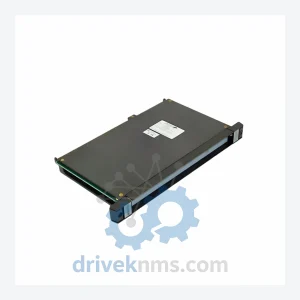
RELIANCE 0-57405-D Drive Analog I/O Module – Electric Series
RELIANCE 0-57405-D Drive Analog I/O Module: Global Sourcing Strategy & Asset Return Value The RELIANCE 0-57405-D (also referenced as 57405-D)…
Model: PSM-50 9101-3000E PSM50 91013000E
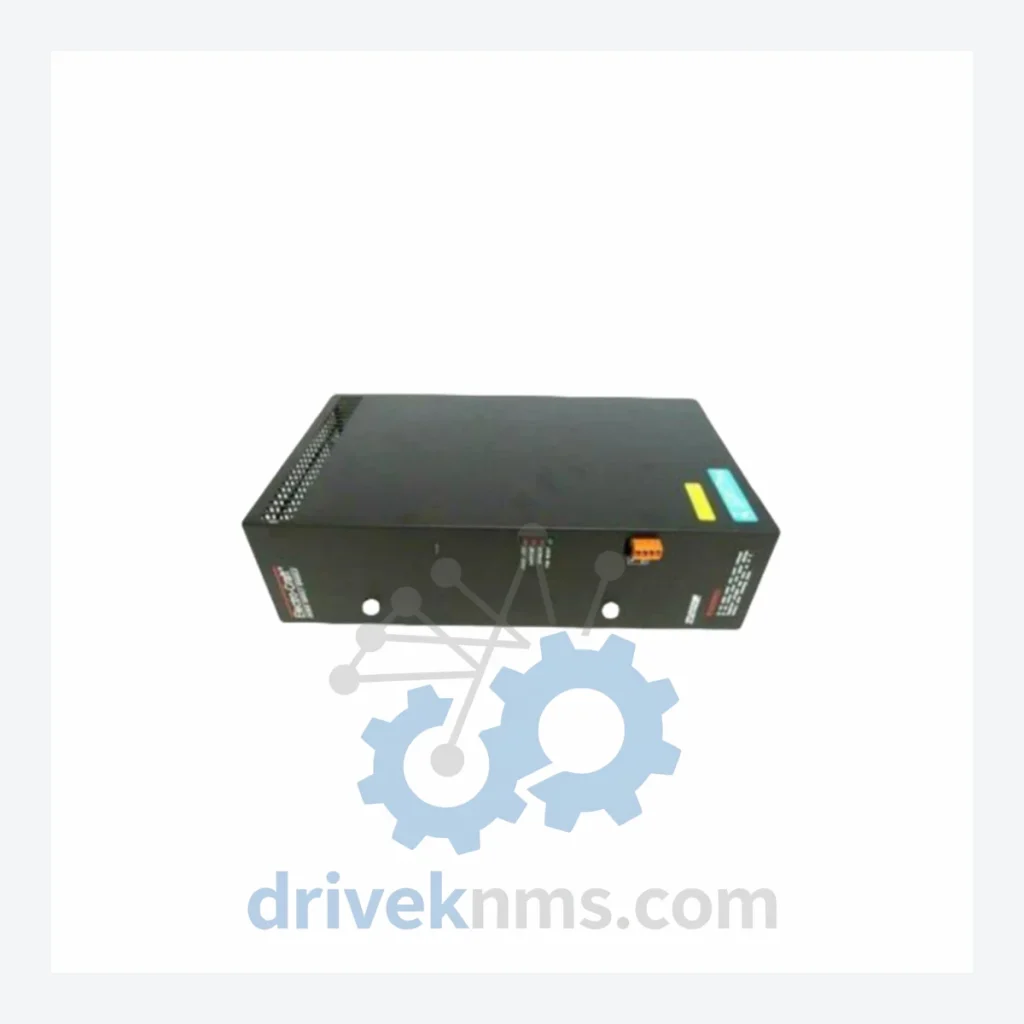
Product Overview
Commercial availability is handled through direct RFQ, model verification and export-oriented follow-up rather than public cart checkout.
Datasheet Preview
Use attached product manuals when available. If the manual is not public yet, request the full file directly through RFQ.
Commercial Path
Product pages on DRIVEKNMS are designed to verify model, brand and series first, then move the buyer into one clean quotation path.
Technical Dossier
The Reliance Electric PSM-50 series is a family of vibration monitoring and processing modules deployed extensively across global heavy industry, including petrochemical refineries, nuclear power stations, offshore platforms, and continuous-process chemical plants. Originally developed under the Reliance Electric brand (subsequently absorbed into Rockwell Automation), the PSM-50 platform established a benchmark for analog vibration signal conditioning in distributed control system (DCS) and machinery protection architectures. Installed base counts in the tens of thousands of units across North America, Europe, and Asia-Pacific, making long-term spare parts availability a critical operational concern for plant maintenance engineers.
The PSM-50 platform was introduced during the late 1980s as part of Reliance Electric's broader industrial automation portfolio, designed to interface with proximity probes, velocity transducers, and accelerometers in rotating machinery monitoring applications. Early revisions of the PSM-50 utilized discrete analog signal chains with fixed-gain amplifiers and passive filtering networks. Mid-generation revisions introduced programmable gain stages and expanded frequency response ranges to accommodate high-speed turbomachinery (compressors, steam turbines, centrifugal pumps) operating above 10,000 RPM.
Following Rockwell Automation's acquisition of Reliance Electric in 1995, the PSM-50 series entered a maintenance-only lifecycle. No new hardware revisions were released post-acquisition; however, firmware updates were issued through the early 2000s to address compatibility with updated SCADA and DCS communication protocols. The series is now fully discontinued, with no direct Rockwell Automation replacement carrying identical form-factor or backplane pinout compatibility. Plants requiring like-for-like replacement must source from the secondary market or engage specialist distributors with certified refurbished stock.
Compatibility note: PSM-50 modules are designed for installation in Reliance Electric modular rack systems. They are not electrically or mechanically interchangeable with Bently Nevada 3500 series or Emerson CSI machinery protection hardware without signal conditioning adapters.
The following SKUs represent verified models within the Reliance Electric PSM-50 series, classified by functional category. Each entry reflects the module's primary signal processing role within a machinery protection or condition monitoring system.
Vibration Processor Modules
Signal Conditioning & Interface Modules
Power Supply Modules
Communication & Output Modules
The PSM-50 series has been discontinued for over two decades. OEM factory support, including repair services and new-manufacture replacement units, is no longer available through Rockwell Automation or any authorized channel. Plants operating PSM-50-based machinery protection systems face three primary sourcing challenges: locating units in serviceable condition, verifying firmware revision compatibility with existing rack configurations, and obtaining calibration documentation for recommissioning.
DriveKNMS maintains a dedicated inventory of PSM-50 series modules sourced from decommissioned plant equipment, controlled-environment warehousing, and verified secondary market channels. All units are cataloged by part number, revision level, and physical condition grade prior to listing. For critical applications requiring immediate availability, DriveKNMS operates an expedited sourcing service with a 48-hour response commitment for PSM-50 inquiries.
For plants evaluating migration away from the PSM-50 platform, DriveKNMS can provide cross-reference documentation mapping PSM-50 signal types and rack pinouts to compatible modern alternatives, reducing engineering time for retrofit projects.
PSM-50 modules present specific quality control challenges due to their analog signal chain architecture and age-related component degradation. DriveKNMS applies the following test protocol to all PSM-50 units prior to dispatch:
All test results are documented and available upon request with each unit shipment.
Related Paths
RELIANCE 0-57405-D Drive Analog I/O Module: Global Sourcing Strategy & Asset Return Value The RELIANCE 0-57405-D (also referenced as 57405-D)…
Reliance Electric 0-51820-1 PC Board – Obsolete Automax Series Spare Part When a PC board fails inside a legacy Reliance…
Reliance Electric 57C415 / 57415-A Controller Card Module: Global Sourcing Strategy & Asset Return Value The Reliance Electric 57C415 (alternate…