
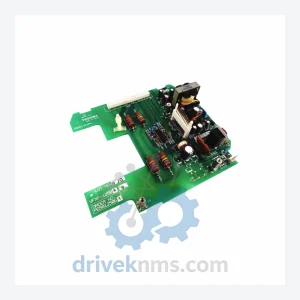
TOSHIBA P6581471P4 VFXF-1250 Circuit Board – VFXF Series
TOSHIBA P6581471P4 VFXF-1250 Circuit Board: Securing Supply in a Constrained Market The TOSHIBA P6581471P4 VFXF-1250 is a control circuit board…
Model: EX10*MPS51
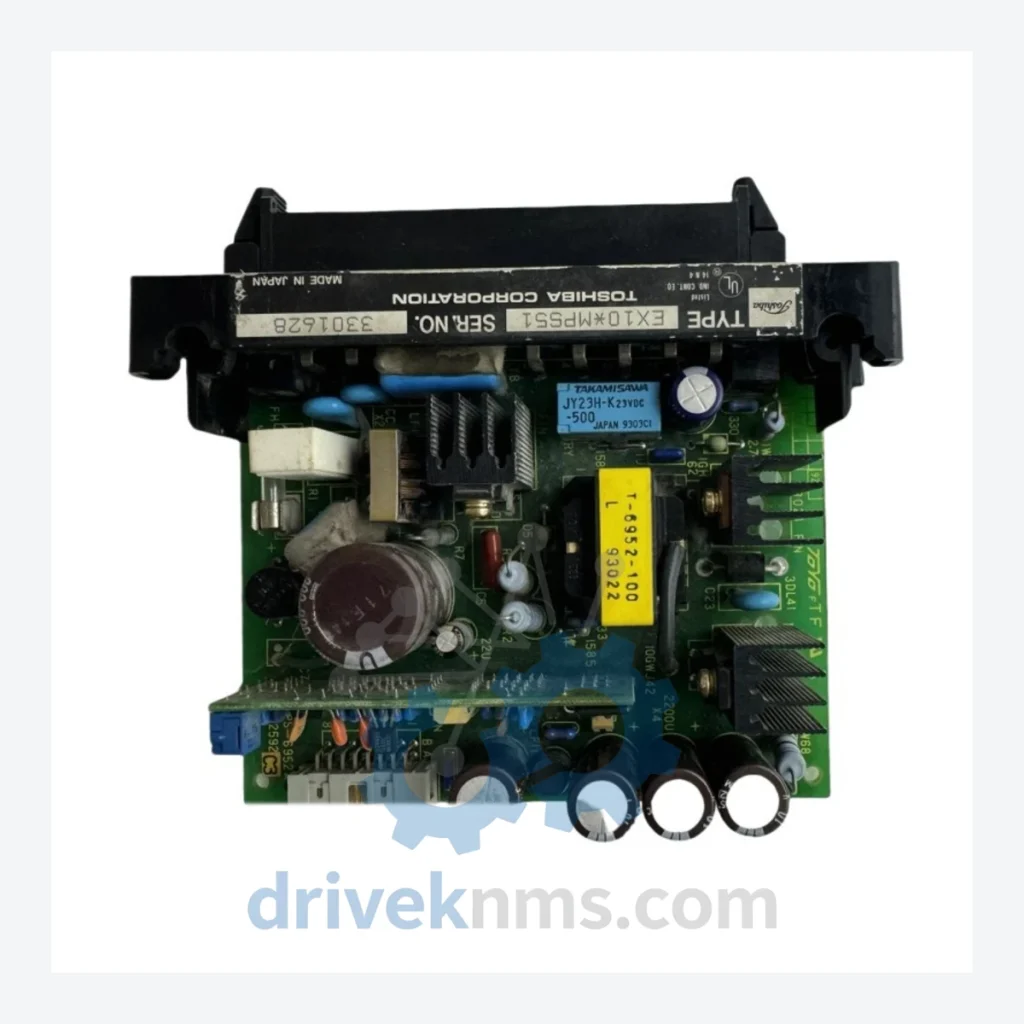
Product Overview
Commercial availability is handled through direct RFQ, model verification and export-oriented follow-up rather than public cart checkout.
Datasheet Preview
Use attached product manuals when available. If the manual is not public yet, request the full file directly through RFQ.
Commercial Path
Product pages on DRIVEKNMS are designed to verify model, brand and series first, then move the buyer into one clean quotation path.
Technical Dossier
The Toshiba EX10 series is a programmable controller platform developed by Toshiba Corporation for deployment in heavy industrial environments including petrochemical plants, oil refineries, nuclear power facilities, and large-scale manufacturing operations. The EX10 architecture is characterized by a modular backplane design that supports distributed I/O expansion, redundant power supply configurations, and deterministic scan-cycle execution — requirements that are non-negotiable in process-critical installations. Installed base records indicate the EX10 platform has been deployed across Asia-Pacific, the Middle East, and Eastern Europe in continuous-process industries where mean time between failures (MTBF) and long-term spare parts availability are primary procurement criteria. The platform's compatibility with Toshiba's broader TOSDIC and PROSEC control system families has extended its operational lifespan well beyond typical PLC product cycles, making it a persistent fixture in brownfield plant maintenance inventories.
The EX10 series was introduced as part of Toshiba's mid-range programmable controller lineup, positioned between the compact EX series and the high-availability TOSDIC distributed control systems. Early EX10 hardware revisions used parallel backplane communication with fixed-slot addressing, which imposed strict module placement rules documented in Toshiba's EX10 hardware configuration manuals. Subsequent revisions introduced improved noise immunity on the I/O bus and expanded the addressable I/O point count to accommodate larger process units. The power supply subsystem — of which the EX10*MPS51 is a primary component — underwent incremental revision to support wider input voltage ranges (85–264 VAC) and improved inrush current limiting, addressing field failures observed in installations with unstable utility power. As the EX10 platform entered its mature phase, Toshiba transitioned active development resources to the PROSEC T series and later the unified TOSDIC-V platform. The EX10 is now classified as a legacy system; Toshiba's official support window has closed for most EX10 module variants, shifting the maintenance burden to third-party spare parts distributors and certified repair facilities. Compatibility between early and late EX10 hardware revisions requires careful verification of firmware version, backplane revision code, and module suffix designation before substitution.
The following SKUs represent verified components within the Toshiba EX10 programmable controller platform. Modules are categorized by functional class.
Power Supply Modules
CPU / Controller Modules
Digital Input (DI) Modules
Digital Output (DO) Modules
Analog Input (AI) Modules
Analog Output (AO) Modules
Communication / Network Adapter Modules
The Toshiba EX10 series has reached end-of-manufacture status across all module variants. Toshiba's industrial automation division no longer produces or stocks EX10 replacement modules, and authorized distributor inventory has been depleted in most regions. For plant operators running EX10-based control systems, the procurement options are limited to: (1) new-old-stock (NOS) units sourced from secondary market distributors, (2) professionally refurbished modules with documented test records, and (3) functional equivalents where cross-compatibility has been verified against Toshiba's hardware revision documentation.
DriveKNMS maintains a dedicated inventory of Toshiba EX10 modules including the EX10*MPS51 and related power supply variants. Our sourcing network covers decommissioned plant equipment, authorized surplus channels, and direct acquisition from facility shutdowns. All EX10 units in our inventory are catalogued by hardware revision suffix, manufacturing date code, and functional test status. For customers requiring long-term maintenance contracts or scheduled replacement programs for EX10 installations, DriveKNMS provides multi-year supply agreements with reserved stock allocation. Inquiries for bulk quantities, specific revision codes, or time-critical emergency replacements are handled with priority response.
The Toshiba EX10 platform uses a parallel backplane bus architecture with module-specific address decoding. Quality verification for EX10 modules — particularly power supply and CPU variants — requires test procedures that go beyond basic power-on checks. DriveKNMS applies the following protocol to all EX10 inventory:
Each unit shipped by DriveKNMS is accompanied by a test record documenting the specific checks performed and the technician sign-off date.
Related Paths
TOSHIBA P6581471P4 VFXF-1250 Circuit Board: Securing Supply in a Constrained Market The TOSHIBA P6581471P4 VFXF-1250 is a control circuit board…
Toshiba ARND-3110 Series: Comprehensive Module Range and Technical Overview The Toshiba ARND-3110 series is a core component family within Toshiba's…
Toshiba MG30G6EL2 IGBT Power Module – Obsolete Legacy Spare Part When a power module fails in a legacy variable frequency…