
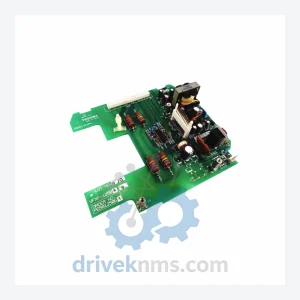
TOSHIBA P6581471P4 VFXF-1250 Circuit Board – VFXF Series
TOSHIBA P6581471P4 VFXF-1250 Circuit Board: Securing Supply in a Constrained Market The TOSHIBA P6581471P4 VFXF-1250 is a control circuit board…
Model: VFAS1P0001
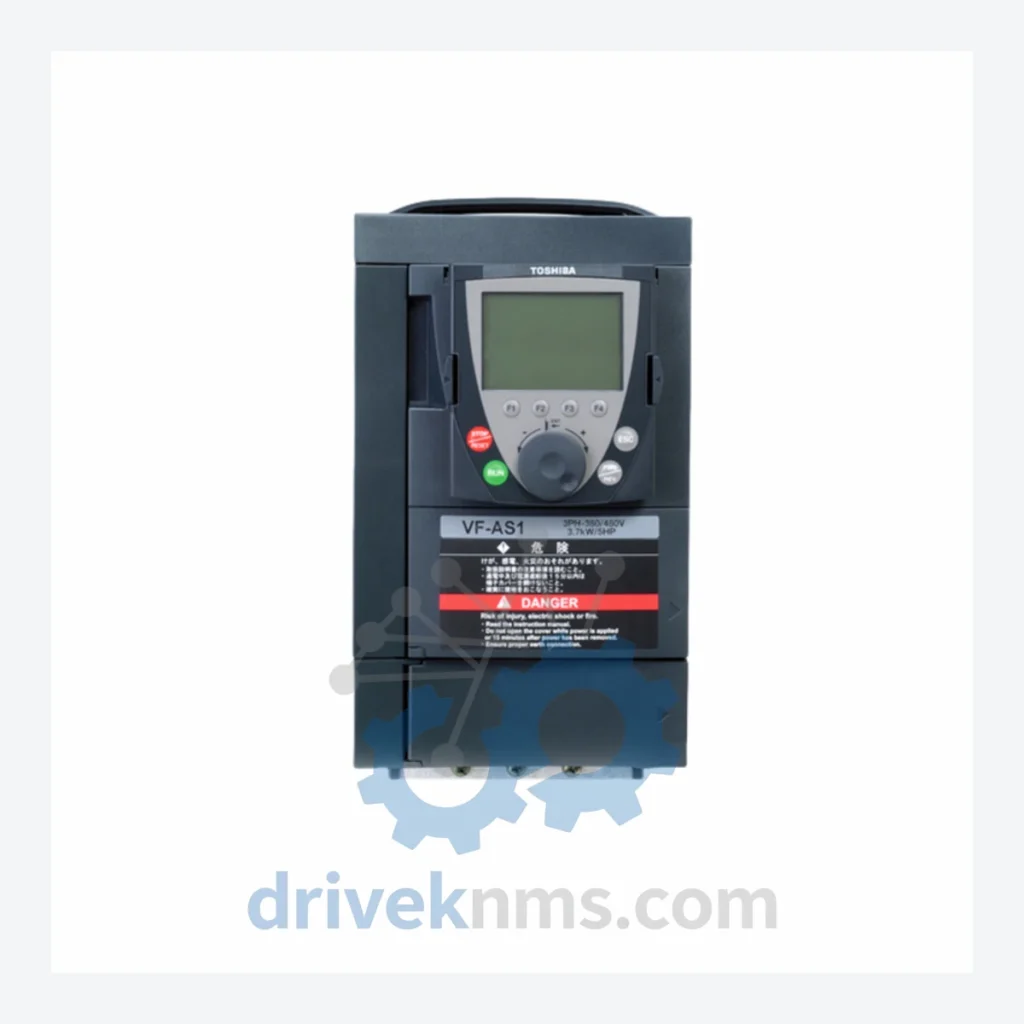
Product Overview
Commercial availability is handled through direct RFQ, model verification and export-oriented follow-up rather than public cart checkout.
Datasheet Preview
Use attached product manuals when available. If the manual is not public yet, request the full file directly through RFQ.
Commercial Path
Product pages on DRIVEKNMS are designed to verify model, brand and series first, then move the buyer into one clean quotation path.
Technical Dossier
The Toshiba VFAS1 series is a line of compact, single-phase and three-phase AC variable frequency drives (VFDs) engineered for precision motor speed control in demanding industrial environments. Deployed across chemical processing plants, water treatment facilities, oil refineries, and light manufacturing lines, the VFAS1 platform occupies a well-established position in the global industrial automation market. Its compact DIN-rail-compatible form factor and wide input voltage tolerance (single-phase 100–120V and 200–240V ranges) made it a preferred choice for OEM panel builders and system integrators throughout its production lifecycle. The series supports V/f control and is optimized for fan, pump, and conveyor applications where cost-effective variable speed operation is required without the overhead of full vector control platforms.
The VFAS1 series was introduced as a successor to Toshiba's earlier VF-S7 and VF-S9 compact drive families, consolidating single-phase input capability into a standardized enclosure platform. Early VFAS1 units featured analog frequency reference inputs (0–10V, 4–20mA) and basic RS-485 Modbus RTU communication as an optional add-on. Mid-generation revisions introduced improved EMC filtering, expanded parameter sets for multi-step speed control (up to 8 preset speeds), and enhanced thermal management via optimized heatsink geometry. The series is now in a mature-to-end-of-life phase; Toshiba has transitioned its compact drive portfolio toward the VFAS3 and VFNC3 platforms, which offer expanded communication options (EtherNet/IP, PROFIBUS-DP) and higher overload ratings. Compatibility between VFAS1 and its successors is not direct — mounting footprints, parameter structures, and control terminal pinouts differ, requiring engineering review for any retrofit. For installations where VFAS1 units remain in service, like-for-like replacement remains the lowest-risk maintenance strategy.
The following SKUs represent the documented VFAS1 product range, organized by power rating and input phase configuration. All units are V/f control topology unless otherwise noted.
Single-Phase 100–120V Input (0.1–0.75 kW)
Single-Phase 200–240V Input (0.1–2.2 kW)
Three-Phase 200–240V Input (0.1–3.7 kW)
The VFAS1 series has entered end-of-life status in Toshiba's active product portfolio. Standard distribution channels no longer carry new stock for the majority of VFAS1 variants, and lead times through authorized distributors — where stock exists — are unpredictable. DriveKNMS maintains a dedicated inventory of VFAS1 units sourced through verified industrial surplus channels, including decommissioned OEM panels and controlled-environment warehouse stock. All units are cataloged by part number, date code, and condition grade prior to listing. For facilities operating VFAS1 drives in continuous-process environments (chemical dosing, HVAC, conveyor systems), DriveKNMS provides lifecycle extension support: sourcing exact-match replacements, providing tested spare units for critical spares programs, and advising on retrofit pathways to current-generation Toshiba platforms where direct replacement is no longer feasible. Inquiries for bulk quantities, specific firmware revisions, or accessory items (communication cards, braking resistors, remote keypads) are handled on a case-by-case basis.
Each VFAS1 unit processed by DriveKNMS undergoes a structured inspection and functional test protocol before dispatch. Visual inspection covers enclosure integrity, terminal block condition, capacitor bulge assessment, and PCB contamination screening. Power-on testing verifies DC bus voltage build-up, inrush current limiting function, and fault code readout via the integrated LED display. Dynamic load testing applies a resistive or motor load to confirm output frequency accuracy across the 0–400 Hz programmable range, V/f curve linearity, and analog reference tracking (0–10V and 4–20mA inputs). For units with optional RS-485 communication cards, Modbus RTU register read/write verification is performed using a calibrated test master. Units that do not meet output voltage balance (<2% phase imbalance), frequency accuracy (<0.1 Hz deviation), and protection function response (overcurrent, overvoltage, undervoltage trip) are quarantined and not dispatched. Test records are retained and available upon request for critical spare applications.
© 2026 DriveKNMS. All trademarks belong to their respective owners. Specifications are for reference only and subject to change without notice. Verify all parameters against official documentation before installation.
Related Paths
TOSHIBA P6581471P4 VFXF-1250 Circuit Board: Securing Supply in a Constrained Market The TOSHIBA P6581471P4 VFXF-1250 is a control circuit board…
Toshiba ARND-3110 Series: Comprehensive Module Range and Technical Overview The Toshiba ARND-3110 series is a core component family within Toshiba's…
Toshiba MG30G6EL2 IGBT Power Module – Obsolete Legacy Spare Part When a power module fails in a legacy variable frequency…