
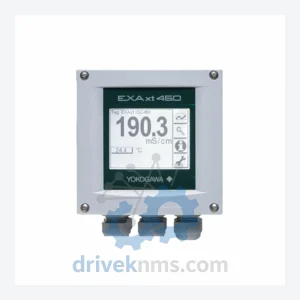
Yokogawa SC450G-A-A
Yokogawa SC450G-A-A is listed for Monitoring Systems RFQ review. Confirm quantity, condition and destination before quotation.
RFQ-ready industrial model
Model: AET4D
Product Overview
Commercial availability is handled through direct RFQ, model verification and export-oriented follow-up rather than public cart checkout.
Datasheet Preview
Use attached product manuals when available. If the manual is not public yet, request the full file directly through RFQ.
Commercial Path
Product pages on DRIVEKNMS are designed to verify model, brand and series first, then move the buyer into one clean quotation path.
Technical Dossier
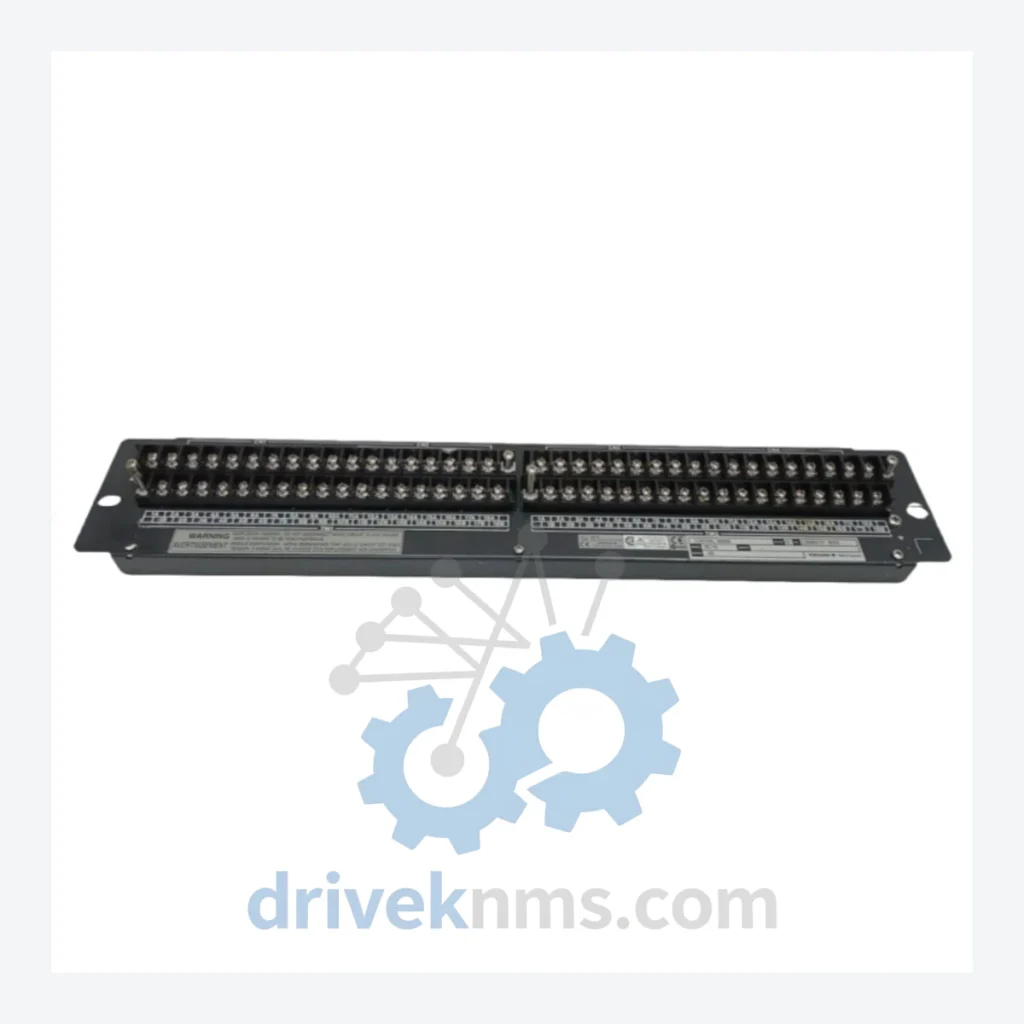
The Yokogawa AET series terminal boards are field-wiring interface components designed for use within Yokogawa's CENTUM CS, CENTUM CS 3000, and CENTUM VP distributed control systems — platforms that collectively represent decades of installed base across global heavy industry. These terminal boards serve as the physical connection layer between field instrumentation (sensors, actuators, transmitters) and the corresponding I/O modules housed in the control station. Their role is structural: without a correctly matched terminal board, the I/O module cannot interface with field wiring.
In petrochemical complexes, nuclear power facilities, LNG terminals, and continuous-process refineries, CENTUM-based control systems routinely operate for 20–30 years without full platform migration. The AET series terminal boards — though no longer in active production — remain critical maintenance components for these long-lifecycle installations. A single failed or missing terminal board can render an entire I/O slot inoperable, forcing either costly emergency sourcing or unplanned process interruption.
DriveKNMS reviews sourcing options for this model through RFQ handling before quotation.
The AET terminal board series was developed in parallel with Yokogawa's CENTUM CS and CENTUM CS 3000 I/O subsystem architecture, which introduced a modular, rack-based field station design in the 1990s. Each terminal board is mechanically and electrically matched to a specific I/O module type — the pairing is not interchangeable across module families.
Early CENTUM CS installations used terminal boards with screw-type field wiring terminations. As the platform evolved into CENTUM CS 3000 and later CENTUM VP, Yokogawa introduced enhanced terminal board variants with improved surge protection, higher channel density, and support for HART pass-through communication. However, the physical form factor and backplane connector pinout were maintained across generations to preserve backward compatibility within the same field station chassis.
The AET4D specifically is a relay-type terminal board, designed to interface with digital output modules where relay contact isolation is required between the control system and field devices. This is a common requirement in safety-instrumented and high-voltage switching applications. Relay terminal boards of this type are among the most frequently replaced components in aging CENTUM installations due to contact wear over extended operational cycles.
The following models represent the documented AET series terminal board range, classified by output/input type and application. All models are designed for use with Yokogawa CENTUM CS / CS 3000 field control stations.
Relay Output Terminal Boards
Analog Input Terminal Boards
Analog Output Terminal Boards
Digital Input Terminal Boards
Digital Output Terminal Boards
Thermocouple / RTD Input Terminal Boards
The AET series terminal boards are no longer available through Yokogawa's standard distribution network. Facilities requiring replacement units face a constrained secondary market where counterfeit and misrepresented parts are a documented risk.
DriveKNMS sources AET series terminal boards exclusively from decommissioned Yokogawa CENTUM CS and CS 3000 field stations. Each unit undergoes physical inspection, connector integrity verification, and relay contact resistance testing (for relay-type boards) before being catalogued. Units that do not pass inspection are not listed for sale.
Facilities planning a phased migration to CENTUM VP should note that AET series terminal boards are not compatible with CENTUM VP I/O modules. Migration planning must account for full terminal board replacement as part of the I/O subsystem upgrade scope.
Terminal boards present specific inspection challenges that differ from active electronic modules. The AET series QC process at DriveKNMS addresses the failure modes most commonly observed in long-service terminal boards:
Continue The Model Path
Move from this exact model into the matching system hub, brand archive, model-family archive or lifecycle sourcing route before sending a final RFQ list.
Related Paths
Yokogawa SC450G-A-A is listed for Monitoring Systems RFQ review. Confirm quantity, condition and destination before quotation.
Yokogawa SC4AJ-S-AD-09 is listed for SC4AJ Series Conductivity RFQ review. Confirm quantity, condition and destination before quotation.
Yokogawa SDV541-S23 S3 is listed for SDV500 Series Output RFQ review. Confirm quantity, condition and destination before quotation.