
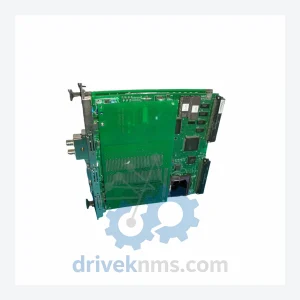
YOKOGAWA CP133E-16-S3 CPU Module – Obsolete CENTUM CS3000 Spare Part
Yokogawa CP133E-16-S3 is listed for CENTUM CS3000 RFQ review. Confirm quantity, condition and destination before quotation.
RFQ-ready industrial model
Model: ASS9262AT-1
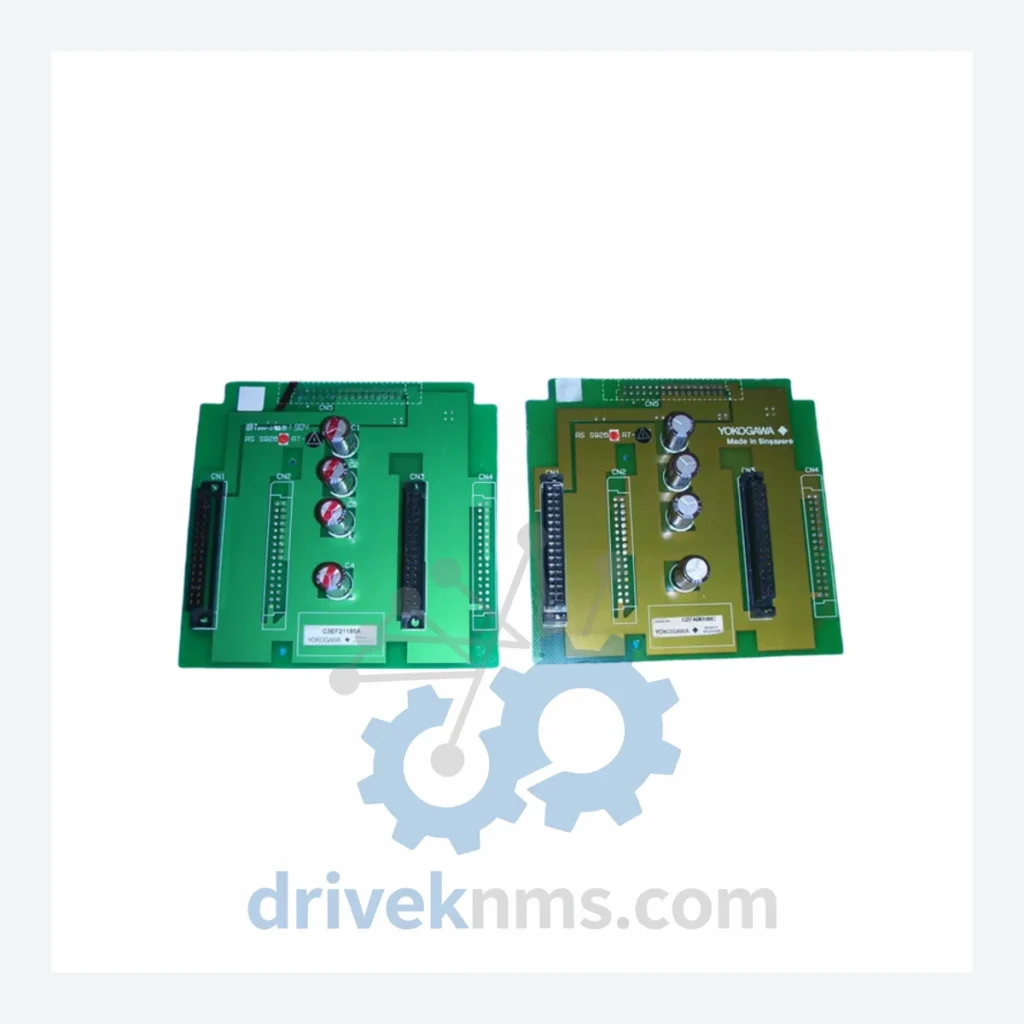
Product Overview
Commercial availability is handled through direct RFQ, model verification and export-oriented follow-up rather than public cart checkout.
Datasheet Preview
Use attached product manuals when available. If the manual is not public yet, request the full file directly through RFQ.
Commercial Path
Product pages on DRIVEKNMS are designed to verify model, brand and series first, then move the buyer into one clean quotation path.
Technical Dossier
The YOKOGAWA ASS series represents a family of analog signal sub-unit boards engineered for deployment within the CENTUM CS and CENTUM CS3000 Distributed Control Systems (DCS). These systems hold a dominant installed base across global heavy industries including petrochemical complexes, nuclear power facilities, crude oil refineries, LNG terminals, and continuous process manufacturing plants. The ASS-series boards function as the analog front-end interface layer between field instrumentation (transmitters, thermocouples, RTDs, control valves) and the CENTUM CS3000 controller backbone. Their role is critical: signal conditioning, isolation, and conversion at the I/O termination level. Facilities running CENTUM CS3000 architectures—many of which were commissioned between 1998 and 2012—continue to rely on ASS-series boards for both operational continuity and scheduled maintenance cycles. The global installed base of CENTUM CS3000 systems ensures sustained demand for ASS-series spare parts well into the 2030s.
The ASS series was introduced as part of YOKOGAWA's CENTUM CS platform in the mid-1990s, succeeding the earlier CENTUM-XL and MICRO-XL I/O termination architectures. The original CENTUM CS deployed ASS boards with parallel backplane communication, supporting analog input/output signal ranges of 4–20 mA DC and ±10 V DC. With the transition to CENTUM CS3000 (released circa 1998), the ASS series was refined to support enhanced noise immunity, improved channel isolation (channel-to-channel and channel-to-ground), and tighter signal accuracy tolerances (±0.1% of full scale). The CS3000 R3 revision further extended compatibility with HART-enabled field devices on select ASS input variants. Compatibility between CENTUM CS and CS3000 ASS boards is partial: mechanical form factor is shared, but firmware and bus protocol differences require verification before cross-generation substitution. As CENTUM CS3000 entered its mature/end-of-active-production phase (YOKOGAWA announced migration paths toward CENTUM VP from approximately 2008 onward), the ASS series transitioned from active catalog to long-term maintenance supply status. Facilities that have not migrated to CENTUM VP continue to require ASS boards as direct replacements, making lifecycle sourcing a primary procurement challenge.
The following SKUs represent verified, commonly deployed ASS-series boards within CENTUM CS and CS3000 installations. Classification follows functional role within the DCS I/O architecture:
Analog Input Sub-units (AI)
Analog Output Sub-units (AO)
Digital Input Sub-units (DI)
Digital Output Sub-units (DO)
ASS-series boards present specific test challenges due to their multi-channel analog architecture and backplane bus communication interface. DriveKNMS applies the following verification protocol to all ASS-series units prior to dispatch:
Continue The Model Path
Move from this exact model into the matching system hub, brand archive, model-family archive or lifecycle sourcing route before sending a final RFQ list.
Related Paths
Yokogawa CP133E-16-S3 is listed for CENTUM CS3000 RFQ review. Confirm quantity, condition and destination before quotation.
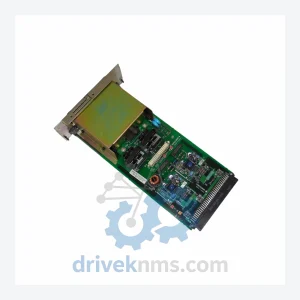
Yokogawa AIP502-S1 is listed for CENTUM CS3000 RFQ review. Confirm quantity, condition and destination before quotation.
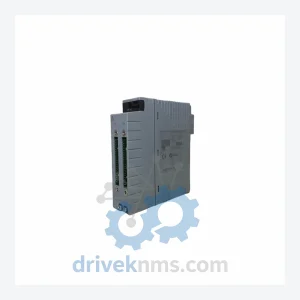
Yokogawa ADV159-P00 S1 is listed for CENTUM CS3000 RFQ review. Confirm quantity, condition and destination before quotation.