
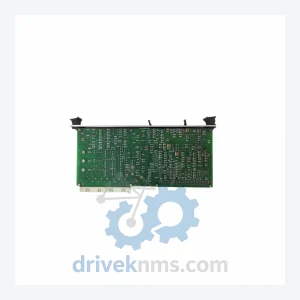
Yokogawa K9634DA-01 TCD Card Modules
Yokogawa K9634DA-01 is listed for Servo Drives RFQ review. Confirm quantity, condition and destination before quotation.
RFQ-ready industrial model
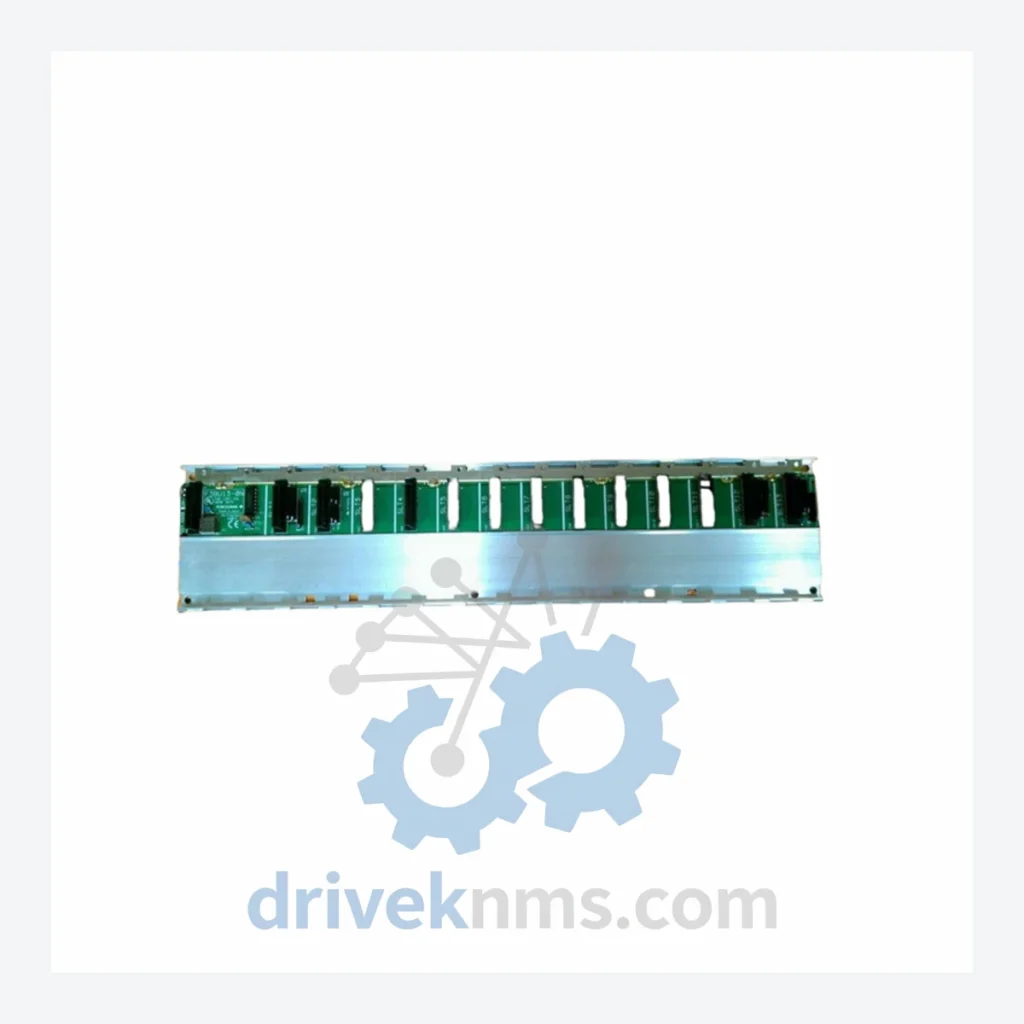
Model: F3BU13-0N
Product Overview
Commercial availability is handled through direct RFQ, model verification and export-oriented follow-up rather than public cart checkout.
Datasheet Preview
Use attached product manuals when available. If the manual is not public yet, request the full file directly through RFQ.
Commercial Path
Product pages on DRIVEKNMS are designed to verify model, brand and series first, then move the buyer into one clean quotation path.
Technical Dossier
The YOKOGAWA FA-M3 F3BU series base units form the physical and electrical backbone of the FA-M3 Range-free Multi-controller platform — one of the most widely deployed mid-to-large scale PLC/DCS hybrid architectures in global heavy industry. Installed across petrochemical complexes, nuclear power auxiliary systems, LNG terminals, offshore platforms, and continuous-process refineries, the FA-M3 system is recognized for its deterministic scan cycle, high-density I/O capacity, and modular slot architecture. The F3BU base unit series defines the physical chassis into which all CPU, I/O, communication, and power supply modules are inserted. Slot count, bus width, and backplane bus type are the primary differentiators across the F3BU range. These units are manufactured in Japan and conform to IEC 61131-2 mechanical and electrical standards.
The FA-M3 platform was introduced by YOKOGAWA in the mid-1990s as a successor to the FACTORY ACE series, designed to bridge the gap between traditional PLC scan-based control and DCS-style continuous process management. The F3BU base unit architecture has evolved through three identifiable generations:
Generation 1 (FA-M3 Classic, ~1995–2003): Initial base units with parallel backplane bus, supporting early F3SP CPU modules and F3YA/F3XA analog I/O. Slot counts ranged from 4 to 13. These units used passive backplane designs with no embedded intelligence.
Generation 2 (FA-M3 R, ~2003–2012): Revised backplane with enhanced bus throughput to support high-speed CPU modules (F3SP66, F3SP67). Introduction of the -0N suffix indicating RoHS-compliant construction. Backward compatibility with Gen 1 I/O modules maintained at the slot level.
Generation 3 (FA-M3 e, ~2012–present): Current production generation. Supports F3SP71/F3SP76 e-series CPUs with Ethernet-embedded architecture. Base units in this generation support mixed installation of legacy and e-series modules within the same chassis, subject to slot position rules documented in YOKOGAWA IM 34M06H11-01E.
The F3BU13-0N, a 13-slot RoHS-compliant base unit, is a Generation 2/3 transitional unit and remains one of the most common chassis configurations found in installed base systems globally. Replacement and spare procurement for this unit is active as of 2026.
The following SKUs represent the verified FA-M3 F3BU base unit series. All units are passive backplane chassis; slot count is the primary variable. The -0N suffix denotes RoHS compliance.
Base Units — Standard Slot Configurations:
F3BU04-0N: 4-slot base unit, RoHS-compliant, compact panel installations
F3BU05-0N: 5-slot base unit, RoHS-compliant, small controller configurations
F3BU06-0N: 6-slot base unit, RoHS-compliant, mid-density I/O rack
F3BU08-0N: 8-slot base unit, RoHS-compliant, standard process control rack
F3BU09-0N: 9-slot base unit, RoHS-compliant, extended I/O with single CPU
F3BU10-0N: 10-slot base unit, RoHS-compliant, dual-CPU redundancy capable
F3BU12-0N: 12-slot base unit, RoHS-compliant, high-density I/O expansion
F3BU13-0N: 13-slot base unit, RoHS-compliant, maximum single-rack I/O density — primary SKU
F3BU04-0S: 4-slot base unit, safety-rated variant, SIL2 applications
F3BU06-0S: 6-slot base unit, safety-rated variant, SIL2 process safety systems
F3BU13-0S: 13-slot base unit, safety-rated variant, SIL2 high-density safety rack
Extension Base Units (for multi-rack expansion):
F3BU13-0E: 13-slot extension base unit, connects to master rack via F3EB bus coupler
F3BU08-0E: 8-slot extension base unit, remote I/O expansion rack
F3BU06-0E: 6-slot extension base unit, compact remote expansion
F3BU04-0E: 4-slot extension base unit, minimal remote I/O node
Legacy (Pre-RoHS) Variants — Obsolete, Sourced as Spare Only:
F3BU13-0: 13-slot base unit, pre-RoHS, direct predecessor to F3BU13-0N
F3BU08-0: 8-slot base unit, pre-RoHS, common in installations prior to 2006
F3BU04-0: 4-slot base unit, pre-RoHS, earliest compact chassis variant
The FA-M3 platform has an installed base spanning 25+ years. A significant portion of operating facilities run Generation 1 and Generation 2 base units that are no longer in active YOKOGAWA production. Pre-RoHS variants (F3BU13-0, F3BU08-0, F3BU04-0) were officially discontinued, and their replacements carry the -0N suffix. However, direct slot-for-slot physical substitution is not always possible without verifying backplane connector revision compatibility.
FA-M3 base units present specific inspection challenges due to their passive backplane bus architecture. Unlike active modules, a base unit failure is often intermittent — manifesting as random module communication faults, bus parity errors, or unexplained CPU resets rather than a hard failure. DriveKNMS applies the following test protocol to all F3BU units processed through its facility:
Visual Inspection: Backplane connector pin integrity check (96-pin DIN 41612 connectors), PCB trace inspection for corrosion or mechanical stress fractures, slot guide rail condition assessment.
Electrical Continuity Testing: Full backplane bus continuity verification across all slot positions using dedicated FA-M3 bus test fixtures. Power rail isolation resistance measurement (5V, 24V rails).
Functional Validation: Live system insertion test using reference FA-M3 CPU (F3SP66-4S or equivalent) and known-good I/O modules. Bus communication verified across all populated slots. Module recognition confirmed via FA-M3 system configurator (WideField3 software).
Continue The Model Path
Move from this exact model into the matching system hub, brand archive, model-family archive or lifecycle sourcing route before sending a final RFQ list.
Related Paths
Yokogawa K9634DA-01 is listed for Servo Drives RFQ review. Confirm quantity, condition and destination before quotation.
Yokogawa UT350 UT350-01 is listed for Servo Drives RFQ review. Confirm quantity, condition and destination before quotation.
Yokogawa K9403JA-02 is listed for Servo Drives RFQ review. Confirm quantity, condition and destination before quotation.