
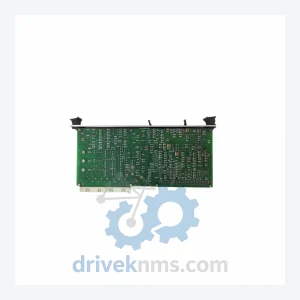
Yokogawa K9634DA-01 TCD Card Modules
Yokogawa K9634DA Series: Comprehensive Module Range and Technical Overview The Yokogawa K9634DA series TCD (Thermocouple/mV Input) cards are field-proven I/O…
Model: NFAF135-S50
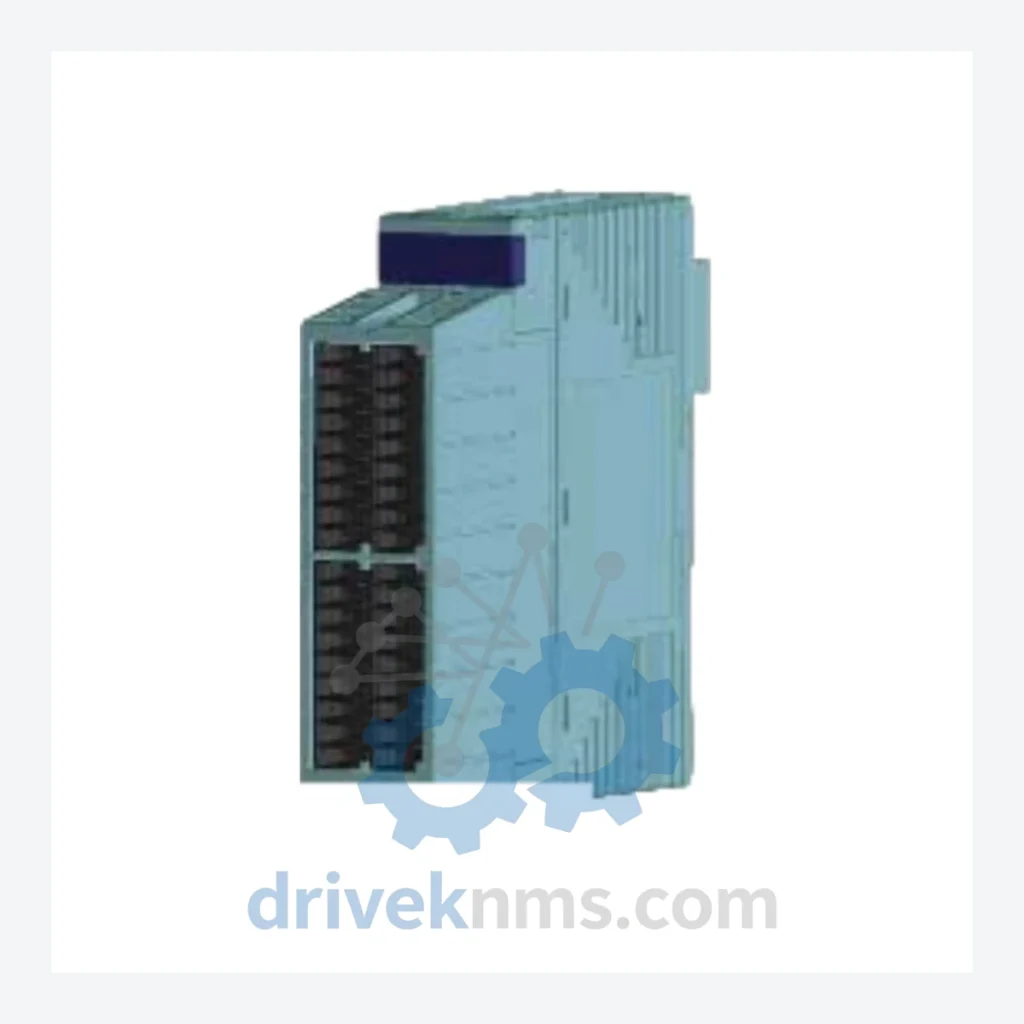
Product Overview
Commercial availability is handled through direct RFQ, model verification and export-oriented follow-up rather than public cart checkout.
Datasheet Preview
Use attached product manuals when available. If the manual is not public yet, request the full file directly through RFQ.
Commercial Path
Product pages on DRIVEKNMS are designed to verify model, brand and series first, then move the buyer into one clean quotation path.
Technical Dossier
The Yokogawa NFAF series represents a core family of analog output field control modules deployed within the CENTUM CS 3000 and CENTUM VP distributed control systems (DCS). These modules are installed across critical global heavy industries including petrochemical refineries, nuclear power generation facilities, offshore oil & gas platforms, pulp and paper mills, and large-scale chemical processing plants. The NFAF series occupies a foundational role in process automation infrastructure, providing precision 4–20 mA analog signal output to final control elements such as control valves, variable speed drives, and positioners. Due to the long operational lifecycles typical of DCS installations (15–30 years), NFAF series modules remain in active service at hundreds of facilities worldwide, making spare parts availability a critical operational concern for plant maintenance engineers and procurement teams.
The NFAF module family was introduced as part of Yokogawa's CENTUM CS 3000 platform, which succeeded the earlier CENTUM-XL and CENTUM CS systems. The architecture is built around the Vnet/IP or ESB (Enhanced Signal Bus) backplane communication standard, enabling deterministic, high-speed data exchange between field control units (FCU) and I/O modules. Early NFAF variants were designed for the CS 3000 R3 environment, while later revisions introduced compatibility with CENTUM VP R4, R5, and R6 firmware environments. The suffix designations (e.g., -S50) denote specific hardware revision levels and terminal block configurations, which are not interchangeable across all backplane generations without engineering validation. As Yokogawa transitioned its installed base toward the CENTUM VP platform and subsequently toward the CENTUM VP R6 and Synaptic Business Automation (Synaptic BA) architecture, the NFAF series entered a mature/end-of-active-production phase. Yokogawa continues to provide limited lifecycle support, but new procurement increasingly relies on certified aftermarket suppliers for both new-old-stock (NOS) and refurbished units.
The following SKUs represent verified models within the Yokogawa NFAF and closely related CENTUM CS 3000 / CENTUM VP analog output module family. Each entry reflects a distinct hardware configuration or revision level.
Analog Output Modules (AO)
Analog Input Modules (AI)
Digital Input / Output Modules (DI/DO)
Communication & CPU Modules
Power Supply Modules
As the NFAF series has entered its mature and end-of-active-production lifecycle phase, OEM procurement channels are increasingly constrained. Lead times from Yokogawa's authorized distribution network for specific suffix variants such as NFAF135-S50 can extend to 16–52 weeks or result in no-quote responses for discontinued part numbers. DriveKNMS maintains a dedicated inventory program for CENTUM CS 3000 and CENTUM VP spare parts, including NFAF series analog output modules. Stock is sourced through decommissioned plant asset recovery, authorized surplus channels, and long-term storage programs. All units are cataloged by part number, suffix revision, and firmware compatibility level. DriveKNMS provides lifecycle extension support for facilities operating CENTUM CS 3000 systems beyond Yokogawa's standard support window, including cross-reference validation between legacy CS 3000 part numbers and their CENTUM VP equivalents where direct substitution is engineering-approved.
NFAF series modules incorporate multi-layer backplane bus communication and precision D/A conversion circuitry that requires specialized validation procedures beyond standard power-on testing. DriveKNMS applies the following quality control protocol to all NFAF series units prior to shipment: (1) Visual inspection of ESB bus connector pins, terminal block integrity, and PCB surface for corrosion or thermal damage. (2) Powered functional test using a CENTUM CS 3000 or CENTUM VP test rack, verifying all output channels against calibrated reference loads at 4 mA, 12 mA, and 20 mA setpoints. (3) Channel-by-channel accuracy verification to confirm output deviation is within ±0.1% of full scale per Yokogawa specification. (4) Backplane communication handshake validation confirming correct module recognition by the FCU processor. (5) Burn-in cycle of minimum 24 hours under load conditions to screen for latent component failures. Each unit ships with a test report documenting channel-level results and is packaged in anti-static ESD shielding with desiccant.
© 2026 DriveKNMS. All trademarks belong to their respective owners. Specifications are for reference only and subject to change without notice. Verify all parameters against official documentation before installation.
Related Paths
Yokogawa K9634DA Series: Comprehensive Module Range and Technical Overview The Yokogawa K9634DA series TCD (Thermocouple/mV Input) cards are field-proven I/O…
Yokogawa UT350-01 Digital Indicating Controller – Obsolete UT Series Spare Part When a Yokogawa UT350-01 fails on the plant floor,…
YOKOGAWA NFDR Series: Comprehensive Module Range and Technical Overview The YOKOGAWA NFDR series relay output modules are core field control…