
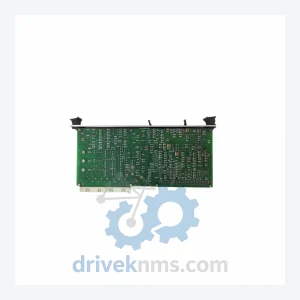
Yokogawa K9634DA-01 TCD Card Modules
Yokogawa K9634DA Series: Comprehensive Module Range and Technical Overview The Yokogawa K9634DA series TCD (Thermocouple/mV Input) cards are field-proven I/O…
Model: NFDV161-P51 S2
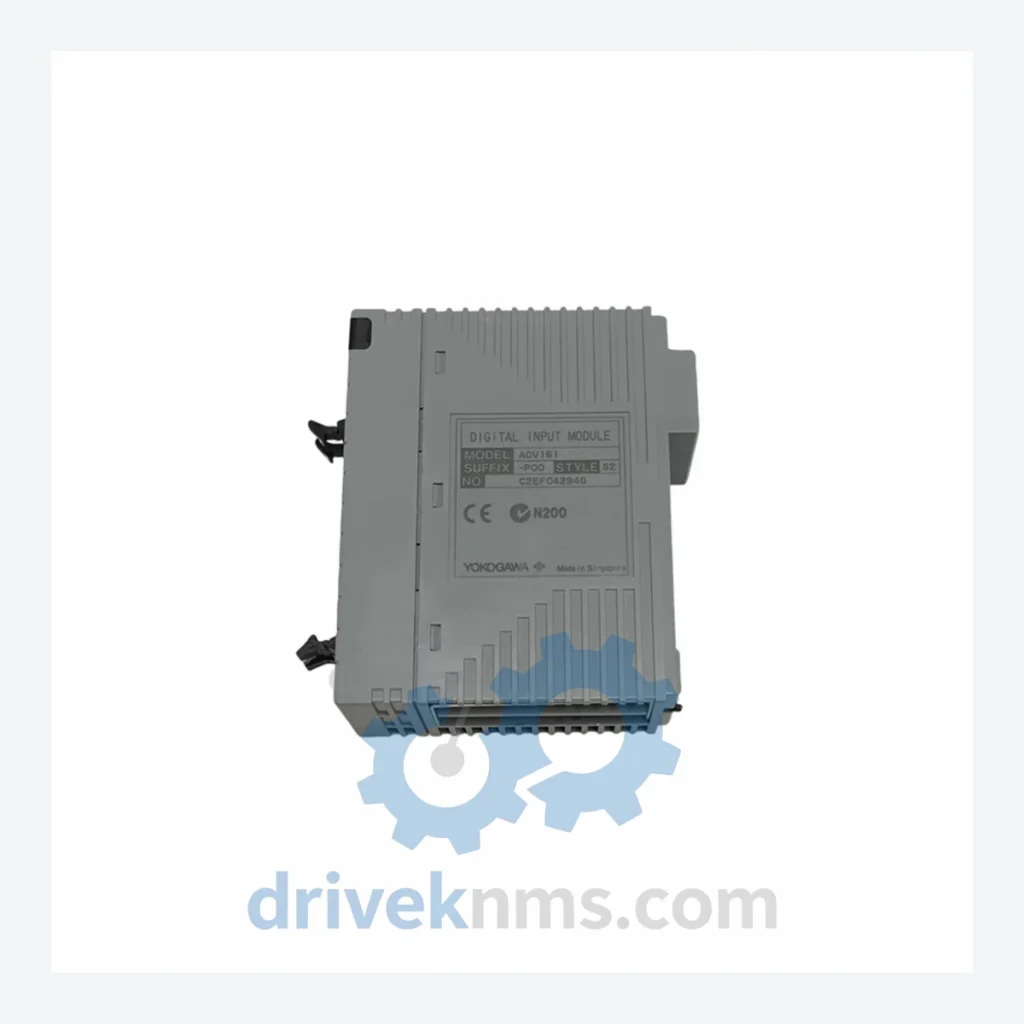
Product Overview
Commercial availability is handled through direct RFQ, model verification and export-oriented follow-up rather than public cart checkout.
Datasheet Preview
Use attached product manuals when available. If the manual is not public yet, request the full file directly through RFQ.
Commercial Path
Product pages on DRIVEKNMS are designed to verify model, brand and series first, then move the buyer into one clean quotation path.
Technical Dossier
The Yokogawa NFD series represents a core family of digital I/O modules deployed within the CENTUM CS 3000 and CENTUM VP distributed control systems — two of the most widely installed DCS platforms in global heavy industry. These modules are embedded in continuous-process facilities including petrochemical complexes, LNG terminals, nuclear power auxiliary systems, crude oil refineries, and pulp & paper mills across Asia-Pacific, the Middle East, and Europe. The NFD series handles discrete signal acquisition and output switching at the field I/O level, interfacing directly with field devices via the FIO (Field I/O) bus architecture. Their modular, hot-swap-capable design made them the standard for high-availability process control environments where unplanned downtime carries significant financial and safety consequences.
The NFD module lineage originates from Yokogawa's CENTUM CS platform (introduced in the mid-1990s), where digital I/O was handled by discrete plug-in cards communicating over a proprietary ESB (Expanded Signal Bus). With the transition to CENTUM CS 3000 (released 1998), Yokogawa introduced the FIO bus-based architecture, and the NFD series was redesigned to operate as intelligent field I/O nodes with onboard diagnostics and HART pass-through capability on select models.
The CENTUM VP platform (released 2008) retained backward compatibility with the NFD module form factor, allowing existing CS 3000 installations to migrate to VP without replacing field wiring or I/O hardware — a critical design decision that extended the NFD series' installed base well into the 2020s. As of 2026, the NFD series is in the mature/end-of-active-production phase. Yokogawa has transitioned new projects to the CENTUM VP R6 platform with updated Vnet/IP-based I/O, but the NFD form factor remains the dominant installed base in brownfield sites. Long-term maintenance support, spare parts availability, and certified refurbished modules are the primary procurement requirement for this series.
Digital Input Modules
Digital Output Modules
Analog Input Modules
Analog Output Modules
Communication & Power
DriveKNMS maintains a dedicated inventory program for Yokogawa NFD series modules, targeting the brownfield installed base where OEM new-production stock is no longer available through standard distribution channels. Our sourcing network covers decommissioned plant assets, certified refurbished units, and tested-good pulls from controlled shutdowns. All NFD modules sourced through DriveKNMS are subject to functional verification against Yokogawa's published I/O specifications before dispatch. For end-users operating CENTUM CS 3000 or CENTUM VP systems beyond their OEM support window, DriveKNMS provides a documented chain-of-custody for each module, including test records and revision-level identification — critical for sites operating under IEC 61511 functional safety requirements.
NFD series modules present specific test challenges due to their FIO bus communication protocol and onboard EEPROM configuration storage. DriveKNMS applies a multi-stage verification process: (1) Visual inspection for backplane connector wear, capacitor condition, and conformal coating integrity; (2) Powered bench test using a CENTUM VP R5/R6 test node to verify FIO bus enumeration and module self-diagnostics; (3) Channel-level functional test — each I/O channel is exercised at rated voltage/current to confirm signal acquisition or switching accuracy within Yokogawa's published tolerance bands; (4) HART communication verification on HART-capable analog modules using a calibrated HART communicator; (5) Final revision and firmware label check to confirm hardware revision compatibility with the target system software version. Modules that fail any stage are quarantined and not offered for sale.
© 2026 DriveKNMS. All trademarks belong to their respective owners. Specifications are for reference only and subject to change without notice. Verify all parameters against official documentation before installation.
Related Paths
Yokogawa K9634DA Series: Comprehensive Module Range and Technical Overview The Yokogawa K9634DA series TCD (Thermocouple/mV Input) cards are field-proven I/O…
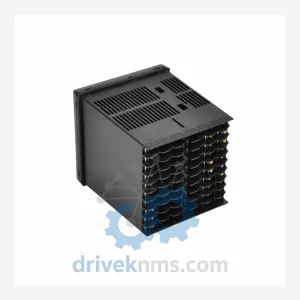
Yokogawa UT350-01 Digital Indicating Controller – Obsolete UT Series Spare Part When a Yokogawa UT350-01 fails on the plant floor,…
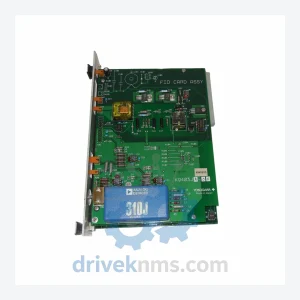
YOKOGAWA K9403 Series: Comprehensive Module Range and Technical Overview The YOKOGAWA K9403 series Field Indication Device (FID) cards are deployed…