
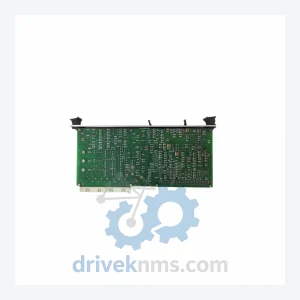
Yokogawa K9634DA-01 TCD Card Modules
Yokogawa K9634DA Series: Comprehensive Module Range and Technical Overview The Yokogawa K9634DA series TCD (Thermocouple/mV Input) cards are field-proven I/O…
Model: NFLR121-S00 S1
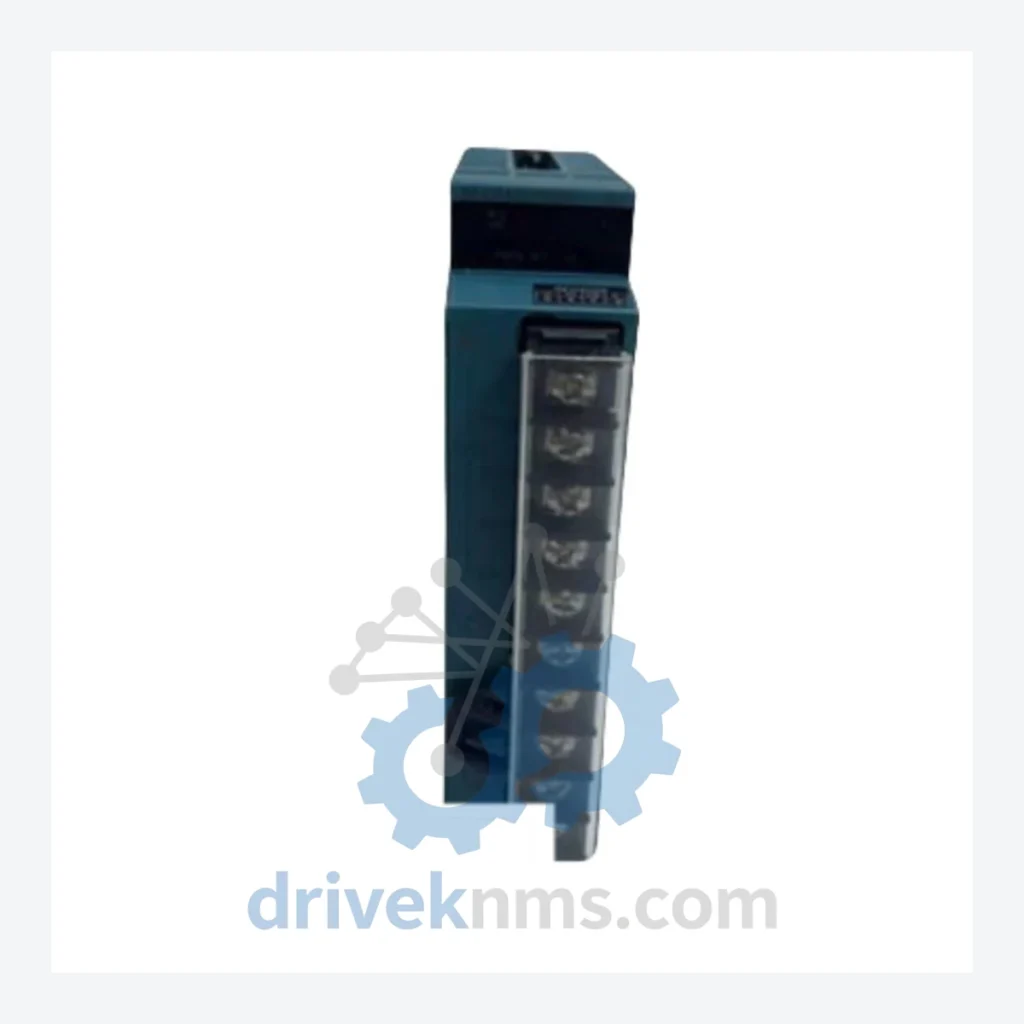
Product Overview
Commercial availability is handled through direct RFQ, model verification and export-oriented follow-up rather than public cart checkout.
Datasheet Preview
Use attached product manuals when available. If the manual is not public yet, request the full file directly through RFQ.
Commercial Path
Product pages on DRIVEKNMS are designed to verify model, brand and series first, then move the buyer into one clean quotation path.
Technical Dossier
The Yokogawa NFLR series represents a family of serial communication interface modules deployed within Yokogawa's CENTUM VP, ProSafe-RS, and STARDOM distributed control system (DCS) architectures. These modules serve as the physical-layer bridge between the DCS controller backbone and field devices communicating over RS-232C, RS-422, and RS-485 serial protocols. Installed across heavy industrial sectors — including petrochemical complexes, nuclear power generation facilities, offshore oil platforms, and large-scale refinery operations — the NFLR series has accumulated a substantial installed base globally, particularly across Asia-Pacific, the Middle East, and European process industries. The series is characterized by its DIN-rail and backplane-mount form factors, deterministic scan-cycle communication, and compatibility with Yokogawa's Vnet/IP and ESB bus architectures. Given the long operational lifecycles typical of DCS infrastructure (15–30 years), NFLR modules remain in active service at sites where full system migration is not economically viable, making reliable spare part availability a critical operational requirement.
The NFLR module lineage traces its origins to Yokogawa's CENTUM CS 3000 platform, where serial communication was handled by dedicated field communication modules integrated into the Field Control Station (FCS) chassis. Early-generation modules operated exclusively over RS-232C at baud rates up to 19,200 bps, with limited multi-drop capability. As process automation demands evolved through the 2000s, Yokogawa introduced RS-422/RS-485 variants within the NFLR family to support multi-drop topologies and longer cable runs required in large refinery and chemical plant layouts.
With the transition to CENTUM VP (introduced circa 2008), the NFLR series was re-validated for compatibility with the new Vnet/IP Ethernet-based control network, while retaining backward compatibility with legacy ESB bus installations. This dual-compatibility characteristic is a defining feature of the series and a primary reason why NFLR modules remain in service across mixed-generation DCS environments. The S00 hardware suffix denotes the base hardware revision, while the S1 suffix indicates the first software/firmware revision level — a distinction critical for spare part cross-referencing and system compatibility verification. Successor communication functionality in newer Yokogawa installations has progressively migrated toward FOUNDATION Fieldbus (FF) and HART-over-IP modules (e.g., the AFL series), but serial-protocol field devices in legacy installations continue to require NFLR-class modules for the foreseeable future.
The following catalog covers verified SKUs within the Yokogawa NFLR series and closely related serial communication modules within the CENTUM VP / ProSafe-RS ecosystem. SKUs are organized by functional category.
Serial Communication Modules (RS-232C / RS-422 / RS-485)
Field Communication Interface Modules (CENTUM VP / ProSafe-RS)
A significant portion of the NFLR series has entered the mature-to-end-of-life phase of its product lifecycle. Yokogawa has progressively discontinued active manufacturing of legacy NFLR variants as CENTUM VP installations migrate toward newer communication architectures. For end-users operating CENTUM CS 3000 or early CENTUM VP systems, obtaining replacement NFLR modules through standard distribution channels is increasingly difficult.
DriveKNMS maintains a dedicated inventory program for obsolete and hard-to-find Yokogawa DCS modules, including the full NFLR series. Our sourcing network covers decommissioned plant equipment, certified refurbished stock, and new-old-stock (NOS) units from verified industrial surplus channels. All NFLR modules sourced by DriveKNMS are subject to full traceability documentation, including hardware revision verification and firmware version identification, to ensure compatibility with the customer's specific FCS configuration. For sites requiring long-term maintenance support contracts covering NFLR module availability, DriveKNMS offers scheduled inventory reservation agreements to guarantee supply continuity across multi-year maintenance windows.
NFLR series modules present specific quality control challenges due to their serial bus interface circuitry, backplane connector integrity, and firmware-dependent diagnostic behavior. DriveKNMS applies a structured test protocol to all NFLR units prior to dispatch.
Each module undergoes visual inspection for backplane connector pin condition, PCB corrosion, and component-level damage. Functional testing is performed using a Yokogawa-compatible FCS test chassis, where the module is installed and subjected to live serial communication tests across all supported baud rates and protocol modes (RS-232C, RS-422, RS-485 as applicable). Communication integrity is verified by transmitting structured data frames and confirming error-free reception and acknowledgment. Firmware revision is read and documented via the Yokogawa engineering workstation interface. Modules exhibiting intermittent communication errors, elevated CRC error rates, or non-standard firmware versions are quarantined and not dispatched. Final packaging uses anti-static shielding with humidity indicator cards, conforming to IPC/JEDEC J-STD-033 moisture sensitivity handling standards.
© 2026 DriveKNMS. All trademarks belong to their respective owners. Specifications are for reference only and subject to change without notice. Verify all parameters against official documentation before installation.
Related Paths
Yokogawa K9634DA Series: Comprehensive Module Range and Technical Overview The Yokogawa K9634DA series TCD (Thermocouple/mV Input) cards are field-proven I/O…
Yokogawa UT350-01 Digital Indicating Controller – Obsolete UT Series Spare Part When a Yokogawa UT350-01 fails on the plant floor,…
YOKOGAWA K9403 Series: Comprehensive Module Range and Technical Overview The YOKOGAWA K9403 series Field Indication Device (FID) cards are deployed…