
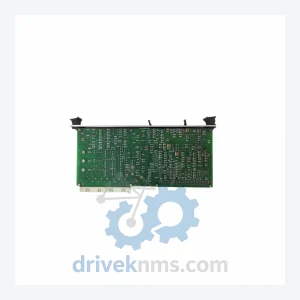
Yokogawa K9634DA-01 TCD Card Modules
Yokogawa K9634DA Series: Comprehensive Module Range and Technical Overview The Yokogawa K9634DA series TCD (Thermocouple/mV Input) cards are field-proven I/O…
Model: SAI143-H63/PRP S3
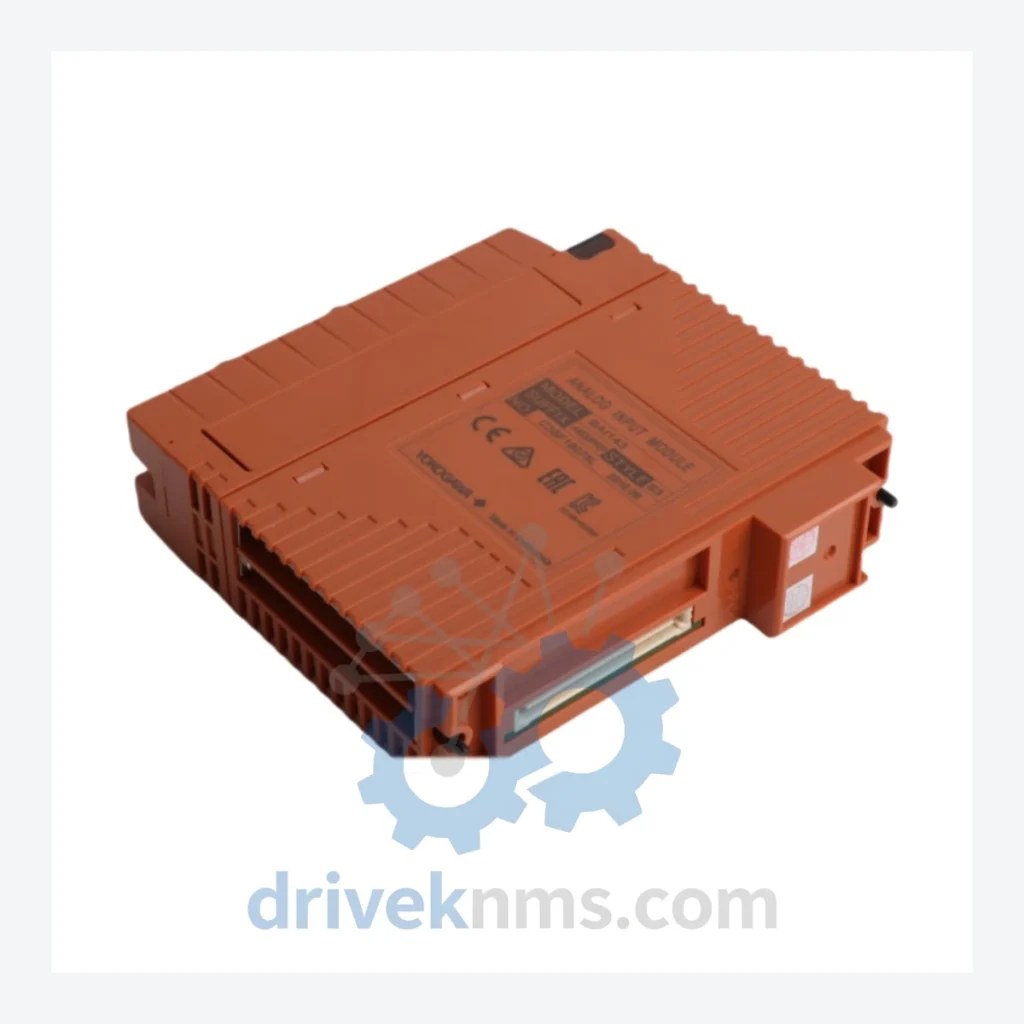
Product Overview
Commercial availability is handled through direct RFQ, model verification and export-oriented follow-up rather than public cart checkout.
Datasheet Preview
Use attached product manuals when available. If the manual is not public yet, request the full file directly through RFQ.
Commercial Path
Product pages on DRIVEKNMS are designed to verify model, brand and series first, then move the buyer into one clean quotation path.
Technical Dossier
The Yokogawa SAI143 series comprises analog input signal conditioner modules deployed within the Yokogawa CENTUM CS 3000 and CENTUM VP distributed control systems (DCS). These modules occupy a critical position in the I/O subsystem of large-scale process automation installations across the global heavy industry sector — including petrochemical complexes, crude oil refineries, nuclear power generation facilities, and liquefied natural gas (LNG) terminals. The SAI143 series handles the conversion and isolation of field-level analog signals (4–20 mA, thermocouple, RTD, and millivolt inputs) into digitized process values consumed by the CENTUM controller nodes. Their high channel density, galvanic isolation architecture, and compatibility with the RIO (Remote I/O) bus make them a standard specification item in engineering procurement for greenfield and brownfield DCS projects. Installed base counts for this series run into the tens of thousands of nodes globally, ensuring sustained demand for spare parts and lifecycle support well beyond the original product discontinuation dates.
The SAI143 lineage traces to the early CENTUM CS 3000 platform introduced in the late 1990s, where Yokogawa standardized a modular I/O card format for the FCS (Field Control Station) and RIO bus topology. Early SAI143 variants supported basic 4–20 mA current loop inputs with hardware-configured range selection via DIP switches and jumper blocks. As the CENTUM platform matured into the VP generation (circa 2008 onward), the SAI143 series was updated to support software-configurable channel parameters via the CENTUM VP Engineering Environment, eliminating the need for physical reconfiguration during range changes. The /PRP suffix variants introduced PROFIBUS PA and HART pass-through capability, enabling field device diagnostics without dedicated handheld communicators. The H63 hardware revision denotes a specific backplane connector pinout and power rail specification compatible with the RIO node enclosures of the CS 3000 R3 and VP R5/R6 generations. Compatibility between hardware revisions is not guaranteed across major CENTUM platform generations; substitution of SAI143 variants requires verification against the FCS node firmware version and I/O builder configuration. As of 2024, Yokogawa has formally classified the CENTUM CS 3000 platform as end-of-life, transitioning customers to CENTUM VP and the OpreX Control and Safety System portfolio. This lifecycle status elevates the criticality of maintaining SAI143 spare parts inventory for sites that cannot execute a full DCS migration within their current capital planning cycle.
The following SKUs represent verified models within the Yokogawa SAI143 signal conditioner series. Modules are classified by input type and hardware configuration suffix.
Analog Input — Current Loop (4–20 mA)
Analog Input — HART / PROFIBUS PA Pass-Through
Analog Input — Thermocouple / RTD / mV
DriveKNMS maintains a dedicated inventory program for Yokogawa CENTUM CS 3000 and CENTUM VP I/O modules, with specific focus on SAI143 series variants that have been discontinued from Yokogawa's active production catalog. For process plants operating on extended maintenance cycles — typically 10 to 25 years between major DCS overhauls — the ability to source verified SAI143 modules on short notice is a direct operational risk factor. A single failed I/O card in a critical loop can trigger a process shutdown if no qualified spare is available on-site. DriveKNMS sources SAI143 modules through decommissioned plant asset recovery, authorized distributor excess stock, and direct manufacturer surplus channels. All units are catalogued by hardware revision suffix (H00, H01, H60, H63) and firmware compatibility level prior to listing. Customers requiring specific revision matching for backplane compatibility are advised to provide their FCS node generation and CENTUM platform version when submitting an inquiry. Emergency same-day quotation is available for shutdown-critical requirements.
SAI143 modules present specific test challenges due to their multi-channel analog front-end architecture, galvanic isolation barriers, and HART/PROFIBUS PA communication stack. DriveKNMS applies a structured test protocol to each SAI143 unit prior to dispatch. Visual inspection covers backplane connector pin integrity, conformal coating condition, and capacitor ESR on the isolated power supply rails — a known failure mode in aged units. Functional testing is performed using a CENTUM CS 3000 or VP test node with live RIO bus communication, verifying all 16 channels for correct mA input reading across the calibrated range (3.8–20.5 mA), channel isolation resistance (minimum 500 MΩ at 500 VDC), and HART communication pass-through integrity where applicable. Modules with /PRP suffix are additionally tested for PROFIBUS PA segment detection and device address resolution. Units that fail any single channel test are quarantined and not offered for sale. Test records are retained per unit serial number and are available to customers upon request.
© 2026 DriveKNMS. All trademarks belong to their respective owners. Specifications are for reference only and subject to change without notice. Verify all parameters against official documentation before installation.
Related Paths
Yokogawa K9634DA Series: Comprehensive Module Range and Technical Overview The Yokogawa K9634DA series TCD (Thermocouple/mV Input) cards are field-proven I/O…
Yokogawa UT350-01 Digital Indicating Controller – Obsolete UT Series Spare Part When a Yokogawa UT350-01 fails on the plant floor,…
YOKOGAWA K9403 Series: Comprehensive Module Range and Technical Overview The YOKOGAWA K9403 series Field Indication Device (FID) cards are deployed…