
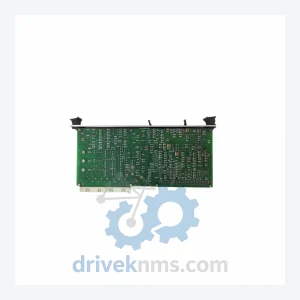
Yokogawa K9634DA-01 TCD Card Modules
Yokogawa K9634DA Series: Comprehensive Module Range and Technical Overview The Yokogawa K9634DA series TCD (Thermocouple/mV Input) cards are field-proven I/O…
Model: SDV541-S23 S3
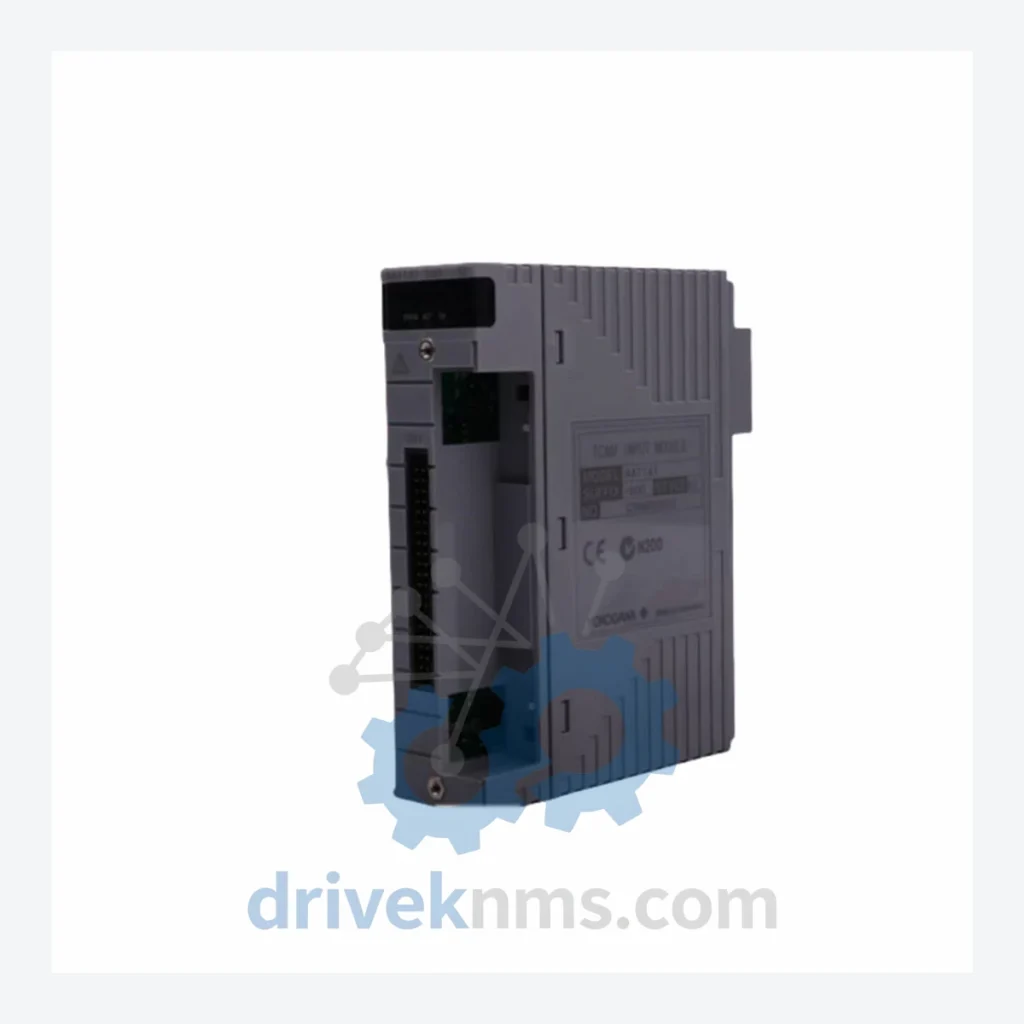
Product Overview
Commercial availability is handled through direct RFQ, model verification and export-oriented follow-up rather than public cart checkout.
Datasheet Preview
Use attached product manuals when available. If the manual is not public yet, request the full file directly through RFQ.
Commercial Path
Product pages on DRIVEKNMS are designed to verify model, brand and series first, then move the buyer into one clean quotation path.
Technical Dossier
The Yokogawa SDV500 series represents a core family of digital I/O modules deployed within the CENTUM CS 3000 and CENTUM VP distributed control systems (DCS). These modules are installed across high-criticality industrial environments including petroleum refineries, chemical processing plants, LNG terminals, nuclear power facilities, and offshore platforms. The SDV500 series interfaces directly with field devices via hardwired discrete signals, providing deterministic on/off control and status acquisition across safety-critical process loops. Their modular backplane architecture, combined with Yokogawa's Vnet/IP and ESB bus communication infrastructure, has made them a standard reference in long-lifecycle plant automation projects spanning 20–30 years of continuous operation.
The SDV500 series was introduced as part of the CENTUM CS 3000 platform in the late 1990s, replacing earlier discrete I/O modules from the CENTUM XL and μXL generations. The original SDV500 modules used parallel backplane communication over the ESB (Enhanced Signal Bus), with each module slot mapped to a fixed I/O address within the field control station (FCS). As Yokogawa transitioned to CENTUM VP in the mid-2000s, the SDV500 hardware remained backward-compatible at the module level, while the FCS firmware and engineering environment (CENTUM VP Builder) introduced enhanced diagnostics and online replacement capabilities. The -S23 suffix designates the second-generation hardware revision with improved noise immunity and extended operating temperature tolerance. The S3 suffix indicates the third software compatibility tier, aligning with CENTUM VP R5.x and R6.x engineering environments. Modules from the SDV500 series are no longer in active production as of approximately 2018–2020, placing the entire family in the mature/end-of-life phase. Plants operating CENTUM CS 3000 or early CENTUM VP installations must source replacement modules from certified aftermarket suppliers to maintain system integrity without full DCS migration.
The following SKUs represent verified models within the Yokogawa SDV500 digital I/O module family, classified by function:
Digital Output Modules (DO)
Digital Input Modules (DI)
Analog Input Modules (AI)
Analog Output Modules (AO)
Communication & CPU Modules
The SDV500 series entered end-of-life status progressively between 2018 and 2022. Yokogawa's official spare parts support window has closed or is closing for most -S23 and -S24 hardware revisions. Plants operating on 20+ year DCS lifecycles — common in nuclear, refining, and chemical sectors — face a critical sourcing gap: the cost and risk of a full CENTUM VP to CENTUM VP R6 or OpreX migration often exceeds the value of maintaining a verified spare parts inventory for the existing installed base.
DriveKNMS maintains a dedicated inventory of SDV500 series modules sourced from decommissioned plant assets, certified refurbishment programs, and verified OEM overstock channels. Each unit is cataloged by hardware revision, firmware compatibility tier, and physical condition grade. We provide documentation packages including original Yokogawa test records where available, enabling direct drop-in replacement without FCS reconfiguration. For plants requiring long-term maintenance agreements covering the full SDV500 I/O range, DriveKNMS offers consignment stocking and priority allocation programs.
SDV500 modules present specific test challenges due to their ESB backplane communication protocol and multi-channel parallel I/O architecture. DriveKNMS applies a structured verification process to each unit prior to dispatch. Functional testing is performed using a dedicated CENTUM CS 3000 / CENTUM VP test bench with live FCS communication, verifying channel-by-channel I/O response, bus arbitration integrity, and module self-diagnostic register outputs. For digital output modules including the SDV541-S23 S3, each of the 32 output channels is individually exercised under rated load conditions to verify driver transistor integrity and output voltage compliance. Relay output modules (SDV542 series) undergo contact resistance measurement and dielectric withstand testing per IEC 61131-2. All modules are inspected for capacitor aging, PCB corrosion, and connector pin wear — the three primary failure modes in long-stored SDV500 hardware. Units that pass full functional verification are issued a DriveKNMS test certificate with channel-level pass/fail data.
© 2026 DriveKNMS. All trademarks belong to their respective owners. Specifications are for reference only and subject to change without notice. Verify all parameters against official documentation before installation.
Related Paths
Yokogawa K9634DA Series: Comprehensive Module Range and Technical Overview The Yokogawa K9634DA series TCD (Thermocouple/mV Input) cards are field-proven I/O…
Yokogawa UT350-01 Digital Indicating Controller – Obsolete UT Series Spare Part When a Yokogawa UT350-01 fails on the plant floor,…
YOKOGAWA NFDR Series: Comprehensive Module Range and Technical Overview The YOKOGAWA NFDR series relay output modules are core field control…