
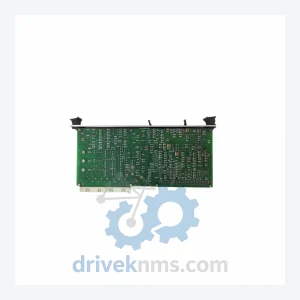
Yokogawa K9634DA-01 TCD Card Modules
Yokogawa K9634DA Series: Comprehensive Module Range and Technical Overview The Yokogawa K9634DA series TCD (Thermocouple/mV Input) cards are field-proven I/O…
Model: SDV531-S13 S1
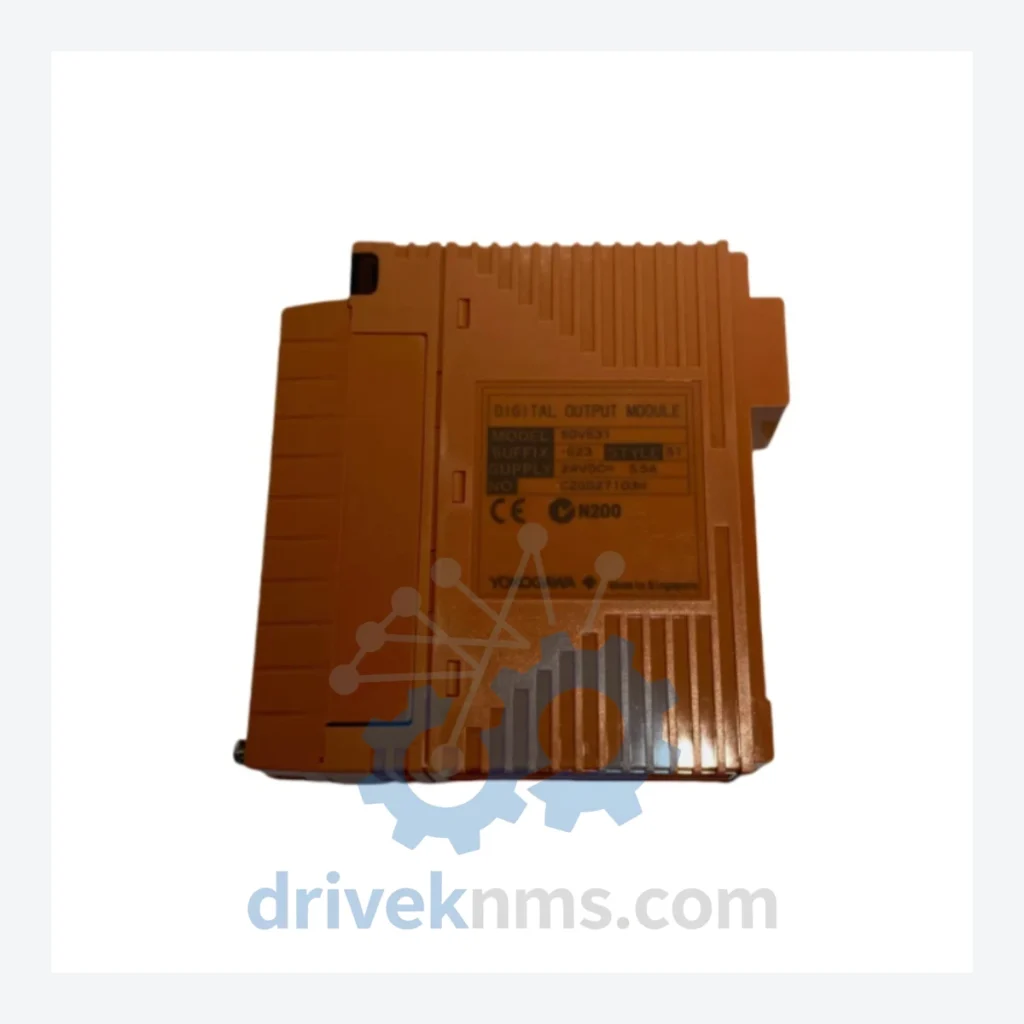
Product Overview
Commercial availability is handled through direct RFQ, model verification and export-oriented follow-up rather than public cart checkout.
Datasheet Preview
Use attached product manuals when available. If the manual is not public yet, request the full file directly through RFQ.
Commercial Path
Product pages on DRIVEKNMS are designed to verify model, brand and series first, then move the buyer into one clean quotation path.
Technical Dossier
The Yokogawa SDV500 Series Digital Valve Controllers represent a field-proven platform deployed across global heavy industry sectors including petrochemical complexes, nuclear power stations, offshore oil & gas platforms, and large-scale refinery operations. Designed to interface directly with control valves via HART or FOUNDATION Fieldbus H1 communication protocols, the SDV500 Series provides precise valve positioning, diagnostic feedback, and partial stroke testing (PST) capability — functions that are mandatory in Safety Instrumented Systems (SIS) and process safety management (PSM) frameworks. The series is fully compliant with IEC 61508 and IEC 61511 functional safety standards, making it a reference-grade component in SIL 2 and SIL 3 rated loops. Installed base spans Yokogawa CENTUM VP, CENTUM CS 3000, and ProSafe-RS distributed control architectures, as well as third-party DCS environments. The SDV531-S13 S1 is a specific configuration variant within this series, combining single-acting actuator compatibility with stainless steel housing and HART Rev. 5/6 communication.
The SDV500 Series was introduced as a successor to Yokogawa's earlier YVP110 and YVP210 valve positioner platforms, which relied on analog 4–20 mA positioning without digital diagnostics. The SDV500 generation introduced embedded microprocessor-based control, enabling auto-calibration, friction compensation, and real-time valve signature analysis. Early production units (circa 2005–2010) supported HART Rev. 5 exclusively and used a two-wire loop-powered architecture. Mid-generation revisions (2010–2016) added FOUNDATION Fieldbus H1 variants, expanding compatibility with Yokogawa's CENTUM VP R5 and R6 fieldbus segment configurations. Later revisions introduced enhanced explosion-proof ratings (ATEX II 2G Ex d IIC, FM Class I Div 1), extended temperature range options (−40°C to +85°C), and stainless steel (S1) housing variants for corrosive environments. The SDV531-S13 S1 falls within the mature phase of this architecture. As of 2024, Yokogawa has transitioned new installations toward the YVP20S and EJX/EJA-integrated positioner ecosystem, placing the SDV500 Series in a long-term maintenance and lifecycle support phase. Compatibility with existing valve actuator mounting brackets (IEC 60534-6 NAMUR) is maintained across all variants, ensuring drop-in replacement capability without mechanical re-engineering.
The following SKUs represent verified, commonly stocked configurations within the Yokogawa SDV500 Series. Models are classified by actuator type, communication protocol, housing material, and approval rating.
Single-Acting HART Variants
Double-Acting HART Variants
FOUNDATION Fieldbus H1 Variants
The SDV500 Series presents specific quality verification challenges due to its integrated pneumatic-electronic architecture. DriveKNMS applies a structured test protocol to all SDV500 units prior to dispatch. Stage 1 — Visual and Mechanical Inspection: housing integrity check, O-ring and seal condition assessment, NAMUR mounting bracket alignment verification, and terminal block continuity test. Stage 2 — Pneumatic Bench Test: supply pressure regulation (1.4 to 7.0 bar), actuator stroke calibration across 0–100% travel range, and leak-down test at maximum supply pressure for 30 minutes. Stage 3 — HART Communication Verification: connection via HART modem to confirm device descriptor (DD) recognition, PV/SV/TV/QV variable readback, and partial stroke test (PST) execution. Stage 4 — Functional Safety Check: for SIL-rated units, solenoid valve response time measurement and fail-safe position confirmation under de-energized conditions. Stage 5 — Environmental Simulation: thermal cycling between −20°C and +70°C for S1 stainless steel variants to verify seal integrity under thermal expansion. All test data is logged and provided with the unit shipment.
© 2026 DriveKNMS. All trademarks belong to their respective owners. Specifications are for reference only and subject to change without notice. Verify all parameters against official documentation before installation.
Related Paths
Yokogawa K9634DA Series: Comprehensive Module Range and Technical Overview The Yokogawa K9634DA series TCD (Thermocouple/mV Input) cards are field-proven I/O…
Yokogawa UT350-01 Digital Indicating Controller – Obsolete UT Series Spare Part When a Yokogawa UT350-01 fails on the plant floor,…
YOKOGAWA NFDR Series: Comprehensive Module Range and Technical Overview The YOKOGAWA NFDR series relay output modules are core field control…