
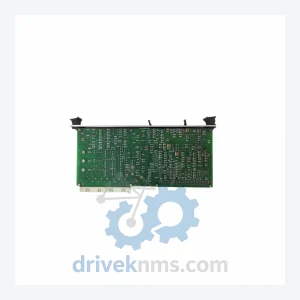
Yokogawa K9634DA-01 TCD Card Modules
Yokogawa K9634DA Series: Comprehensive Module Range and Technical Overview The Yokogawa K9634DA series TCD (Thermocouple/mV Input) cards are field-proven I/O…
Model: SDV541-S63/PRP S3
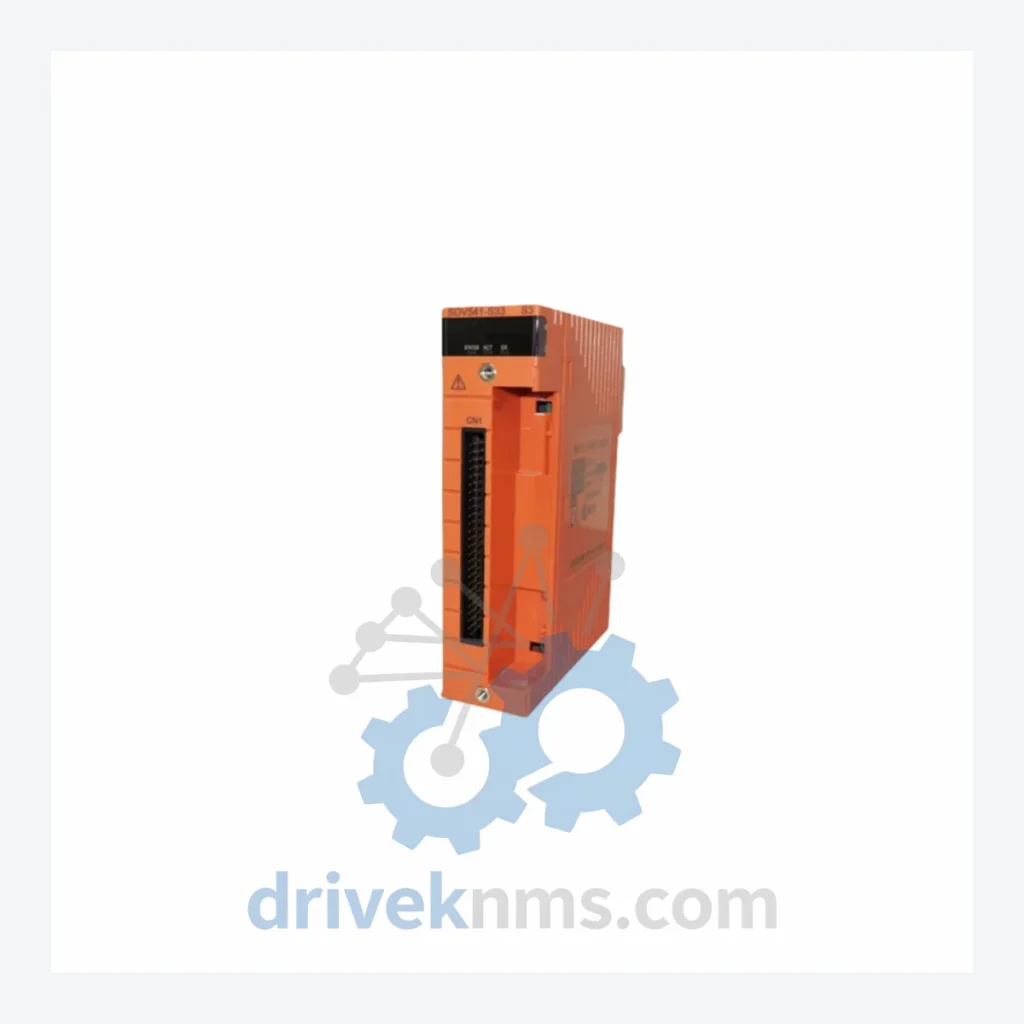
Product Overview
Commercial availability is handled through direct RFQ, model verification and export-oriented follow-up rather than public cart checkout.
Datasheet Preview
Use attached product manuals when available. If the manual is not public yet, request the full file directly through RFQ.
Commercial Path
Product pages on DRIVEKNMS are designed to verify model, brand and series first, then move the buyer into one clean quotation path.
Technical Dossier
The Yokogawa SDV541 series represents a core family of digital output modules deployed within the CENTUM VP Distributed Control System (DCS) and ProSafe-RS Safety Instrumented System (SIS) architectures. These modules are installed across critical global infrastructure including petrochemical complexes, LNG terminals, nuclear power facilities, offshore platforms, and continuous-process refineries. The SDV541 line provides field-proven DO (Digital Output) functionality with redundancy-capable backplane integration, making it a standard specification item in long-lifecycle plant automation projects. Its installed base spans facilities in Asia-Pacific, the Middle East, Europe, and the Americas, where plant operational lifespans routinely exceed 20–30 years, creating sustained demand for spare parts and lifecycle support.
The SDV541 module family was developed as part of Yokogawa's transition from the CENTUM CS 3000 platform to the CENTUM VP generation, introduced in the mid-2000s. Early iterations of the digital output module architecture in the CS 3000 era used parallel backplane communication with limited redundancy options. The SDV541 series introduced high-speed serial bus communication over the Vnet/IP network backbone, enabling deterministic I/O response times suitable for both regulatory control and safety-rated applications.
The S63 suffix designates the module's compatibility with the Field Control Station (FCS) node type, while the PRP designation indicates Parallel Redundancy Protocol support — a dual-network redundancy scheme compliant with IEC 62439-3 that eliminates single points of failure in the communication path. The S3 suffix identifies the specific slot or configuration variant within the SDV541 sub-family. As CENTUM VP has matured into its VP R6 release cycle, backward compatibility with SDV541-series hardware has been maintained at the firmware level, though certain legacy sub-variants are no longer manufactured and must be sourced from the secondary market.
Compatibility considerations span multiple FCS generations: the SDV541 modules are physically and electrically compatible with AFV10D, AFV30D, and AFV40D field control units, but require firmware alignment when mixed with newer I/O modules in the same node. Plants operating CENTUM VP R4 or earlier should verify firmware revision levels before substituting SDV541 variants.
The following SKUs represent verified models within the Yokogawa SDV541 digital output module family and related SDV-series I/O components used in CENTUM VP and ProSafe-RS systems. Each entry reflects a distinct hardware configuration or redundancy variant:
SDV541-S63/PRP S3: 32-ch digital output module, PRP dual-network redundancy, S63 FCS node, slot variant S3.
SDV541-S63/PRP S1: 32-ch digital output module, PRP redundancy, S63 node, slot variant S1.
SDV541-S63/PRP S2: 32-ch digital output module, PRP redundancy, S63 node, slot variant S2.
SDV541-S63 S1: 32-ch digital output module, non-redundant network, S63 FCS node, slot S1.
SDV541-S63 S2: 32-ch digital output module, non-redundant network, S63 FCS node, slot S2.
SDV541-S63 S3: 32-ch digital output module, non-redundant network, S63 FCS node, slot S3.
SDV541-S53/PRP S1: 32-ch digital output, PRP redundancy, S53 FCS node compatibility, slot S1.
SDV541-S53/PRP S2: 32-ch digital output, PRP redundancy, S53 FCS node compatibility, slot S2.
SDV541-S53 S1: 32-ch digital output, non-redundant, S53 FCS node, slot S1.
SDV541-S53 S2: 32-ch digital output, non-redundant, S53 FCS node, slot S2.
SDV531-S63/PRP S1: 16-ch digital output module, PRP redundancy, S63 node — reduced-channel companion to SDV541.
SDV531-S63 S1: 16-ch digital output module, non-redundant, S63 FCS node, slot S1.
SDV521-S63/PRP S1: 8-ch digital output module, PRP redundancy, S63 node — high-density alternative for critical DO loops.
SDV521-S63 S1: 8-ch digital output module, non-redundant, S63 FCS node.
SDV141-S63/PRP S1: 32-ch digital input module, PRP redundancy, S63 node — DI counterpart to the SDV541 DO family.
SDV141-S63 S1: 32-ch digital input module, non-redundant, S63 FCS node.
SDV131-S63/PRP S1: 16-ch digital input module, PRP redundancy, S63 node.
SDV121-S63 S1: 8-ch digital input module, non-redundant, S63 FCS node.
Yokogawa has progressively transitioned CENTUM VP hardware production toward the CENTUM VP R6 and next-generation platform. Several SDV541 sub-variants — particularly those with S53 node designations and early PRP firmware revisions — have reached end-of-manufacture status. Yokogawa's official spare parts program provides limited stock for a defined post-discontinuation window, after which procurement must shift to qualified secondary-market suppliers.
Digital output modules in the SDV541 family interface directly with field actuators — motor starters, solenoid valves, and relay-driven shutdown devices — making functional verification a non-negotiable step before deployment. DriveKNMS applies the following test protocol to all SDV541 units prior to shipment:
Backplane Bus Integrity Test: Each module is seated in a live CENTUM VP test rack and subjected to Vnet/IP communication verification, confirming error-free data exchange at rated cycle times. Channel-Level Output Verification: All 32 output channels (for SDV541 full-density variants) are individually energized and verified against rated output voltage and current specifications. PRP Network Redundancy Validation: For PRP-designated variants, both network paths are independently interrupted to confirm seamless failover with zero data loss. Thermal Cycling: Modules are cycled through operational temperature ranges to identify latent component failures not detectable under static conditions. Firmware Revision Logging: Hardware revision and embedded firmware version are recorded and included in the shipment documentation to ensure compatibility with the customer's FCS node configuration.
© 2026 DriveKNMS. All trademarks belong to their respective owners. Specifications are for reference only and subject to change without notice. Verify all parameters against official documentation before installation.
Related Paths
Yokogawa K9634DA Series: Comprehensive Module Range and Technical Overview The Yokogawa K9634DA series TCD (Thermocouple/mV Input) cards are field-proven I/O…
Yokogawa UT350-01 Digital Indicating Controller – Obsolete UT Series Spare Part When a Yokogawa UT350-01 fails on the plant floor,…
YOKOGAWA K9403 Series: Comprehensive Module Range and Technical Overview The YOKOGAWA K9403 series Field Indication Device (FID) cards are deployed…