
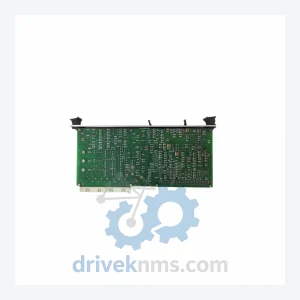
Yokogawa K9634DA-01 TCD Card Modules
Yokogawa K9634DA Series: Comprehensive Module Range and Technical Overview The Yokogawa K9634DA series TCD (Thermocouple/mV Input) cards are field-proven I/O…
Model: YCB149
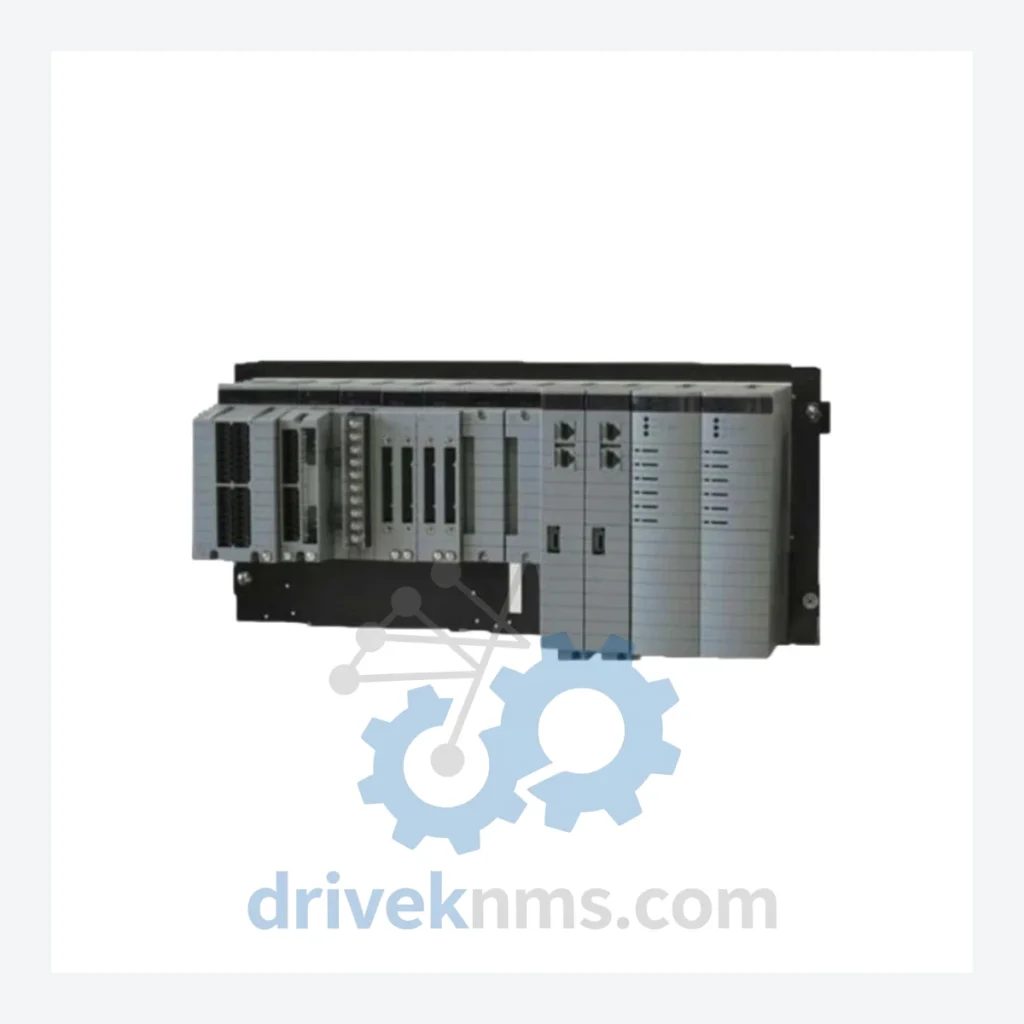
Product Overview
Commercial availability is handled through direct RFQ, model verification and export-oriented follow-up rather than public cart checkout.
Datasheet Preview
Use attached product manuals when available. If the manual is not public yet, request the full file directly through RFQ.
Commercial Path
Product pages on DRIVEKNMS are designed to verify model, brand and series first, then move the buyer into one clean quotation path.
Technical Dossier
The YOKOGAWA V net communication bus is the proprietary high-speed token-passing network backbone of the CENTUM CS/CS 1000/CS 3000 and CENTUM VP Distributed Control Systems. Deployed across global heavy industry — including petrochemical complexes, nuclear power stations, oil refineries, LNG terminals, and continuous process manufacturing plants — V net operates at 10 Mbps over coaxial or optical fiber media and supports deterministic, real-time data exchange between field control stations (FCS), human interface stations (HIS), engineering workstations (EWS), and gateway nodes. Its redundant ring topology ensures fault-tolerant operation in safety-critical environments where unplanned downtime carries significant financial and regulatory consequences. Installed base spans several hundred thousand I/O points globally, making V net module availability a long-term operational requirement for asset owners running CENTUM-based infrastructure.
V net was introduced with the CENTUM CS platform in the early 1990s as a replacement for the earlier ER bus used in CENTUM-XL systems. The original V net implementation used RG-6 coaxial cable with BNC connectors and supported up to 16 nodes per segment. With the release of CENTUM CS 3000 (circa 1998), YOKOGAWA extended V net to support optical fiber segments (V net/OFC) using ST-type connectors, enabling longer inter-node distances suitable for large refinery or power plant layouts spanning multiple buildings.
The CENTUM VP platform (introduced 2008) retained full V net backward compatibility while introducing Vnet/IP — an Ethernet-based successor running over standard 100BASE-TX infrastructure. Vnet/IP supports up to 64 domains and 256 stations per domain, significantly expanding system scale. Converter modules such as the YCB149 serve as the critical interface bridge between legacy V net coaxial segments and Vnet/IP Ethernet domains, enabling phased migration without full system replacement. This architectural continuity is the primary reason V net hardware remains in active procurement globally: brownfield sites cannot justify full DCS replacement and instead extend system life through targeted module substitution.
Compatibility constraints are significant: V net modules are not interchangeable with Vnet/IP-native cards without appropriate converter or gateway hardware. Bus termination, node addressing, and cable impedance (75 Ω coaxial) must be maintained precisely. Firmware versions on FCS processors must be validated against module hardware revisions before substitution.
Communication Converters & Connectors
Field Control Station (FCS) Processor & Bus Modules
I/O Modules (Analog & Digital)
Power Supply Modules
YOKOGAWA formally transitioned its primary development focus to Vnet/IP with CENTUM VP R5 and R6 releases. Several V net coaxial-specific modules — including the YCB301, YCB311, CP451, and first-generation AAI/ADV series cards — are classified as discontinued (End of Manufacturing) by YOKOGAWA, with limited or no factory repair support. However, the installed base of CENTUM CS and CS 3000 systems in long-lifecycle industries (nuclear, refining, base chemicals) means demand for these components persists well beyond their official product lifecycle.
DriveKNMS maintains a dedicated inventory of tested V net modules sourced from decommissioned systems, authorized surplus channels, and controlled storage. All units are catalogued by hardware revision and firmware compatibility level. For end-users requiring long-term maintenance agreements or bulk spare parts packages for CENTUM CS/CS 3000 infrastructure, DriveKNMS provides documented traceability and pre-shipment functional verification. Inquiries for obsolete V net hardware should include the full part number, hardware revision (if known), and quantity required.
V net modules present specific test challenges due to their token-passing bus protocol and time-sensitive communication timing requirements. Standard bench power-on tests are insufficient to validate bus participation capability. DriveKNMS applies a structured test protocol for all V net inventory:
© 2026 DriveKNMS. All trademarks belong to their respective owners. Specifications are for reference only and subject to change without notice. Verify all parameters against official documentation before installation.
Related Paths
Yokogawa K9634DA Series: Comprehensive Module Range and Technical Overview The Yokogawa K9634DA series TCD (Thermocouple/mV Input) cards are field-proven I/O…
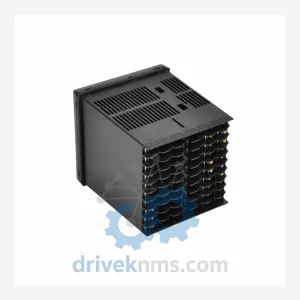
Yokogawa UT350-01 Digital Indicating Controller – Obsolete UT Series Spare Part When a Yokogawa UT350-01 fails on the plant floor,…
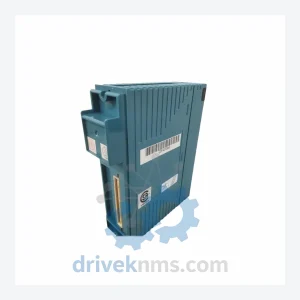
YOKOGAWA NFDR Series: Comprehensive Module Range and Technical Overview The YOKOGAWA NFDR series relay output modules are core field control…