
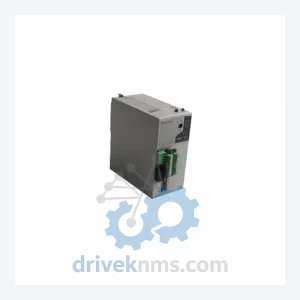
Parker CPX8541S/F4 Servo Controller – Obsolete COMPAX-S Spare Part
Parker COMPAX-S CPX8541S/F4 is listed for Compax-S RFQ review. Confirm quantity, condition and destination before quotation.
RFQ-ready industrial model
Model: P21-0C1-A4-1D3 4022.471.81204 4022.634.28171
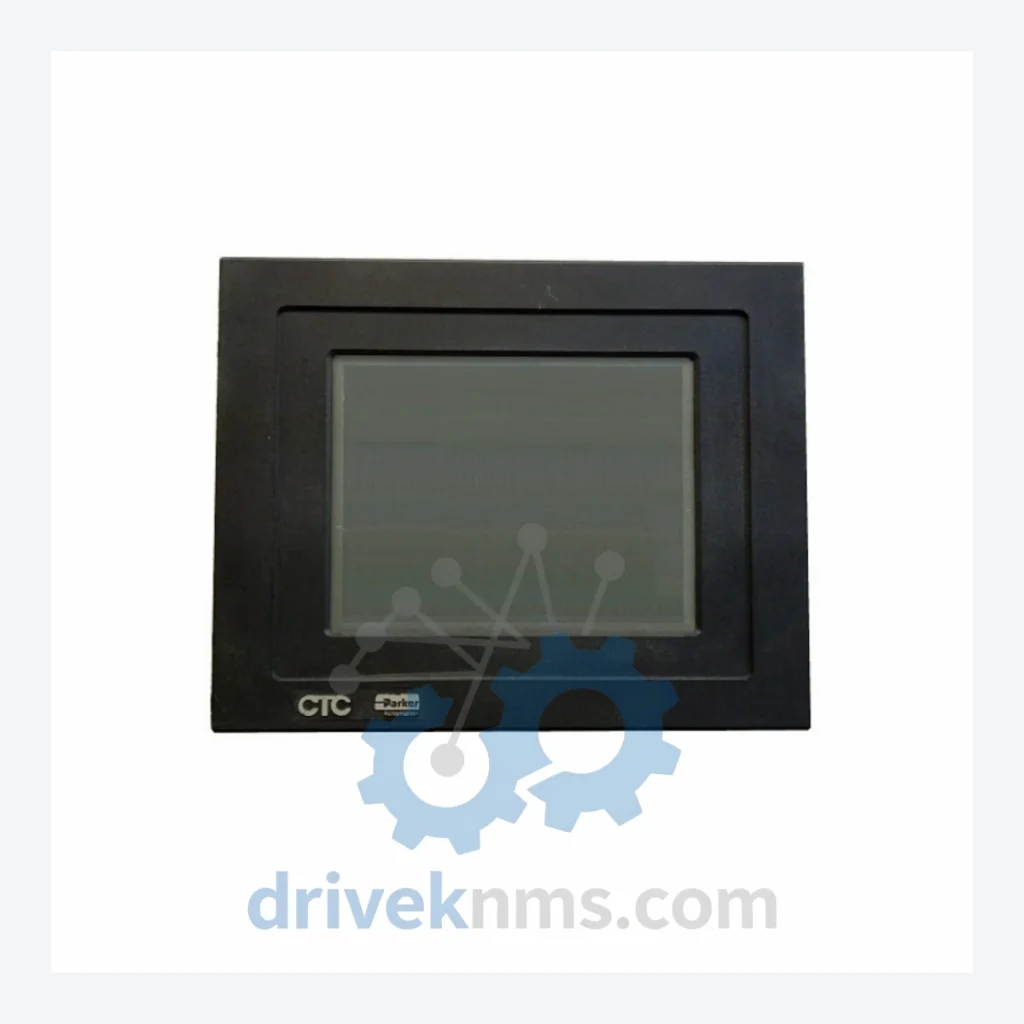
Product Overview
Commercial availability is handled through direct RFQ, model verification and export-oriented follow-up rather than public cart checkout.
Datasheet Preview
Use attached product manuals when available. If the manual is not public yet, request the full file directly through RFQ.
Commercial Path
Product pages on DRIVEKNMS are designed to verify model, brand and series first, then move the buyer into one clean quotation path.
Technical Dossier
RFQ support for obsolete parts: Send the model number, required quantity and destination so DriveKNMS can confirm sourcing options before quotation.
| Parameter | Detail |
|---|---|
| Part Number | P21-0C1-A4-1D3 |
| Cross Reference | 4022.471.81204 / 4022.634.28171 |
| Brand | Parker Hannifin |
| Product Type | Industrial Control Panel Module |
| Series | Parker P21 Series |
| Discontinuation Status | Obsolete – No longer manufactured or supplied by OEM |
| Country of Origin | United States |
| Typical System Compatibility | Parker legacy motion control and process automation platforms |
Note: Electrical parameters specific to this unit are not published here to prevent misapplication. Contact our technical team for verified specification confirmation prior to ordering.
The Parker P21-0C1-A4-1D3 was designed for integration into Parker's legacy control architecture — a platform that, in many facilities, has been running continuously for 15 to 25 years. These systems were engineered for long service lives, and the mechanical and process infrastructure built around them represents capital investment that cannot be written off lightly.
For plant managers operating legacy Parker or equivalent automation platforms, the following approach has proven effective in extending system service life without capital system replacement:
3. Condition-Based Monitoring: Implement periodic inspection cycles for aging control panels — specifically targeting electrolytic capacitor condition, connector pin integrity, and firmware version consistency. Early detection of degradation allows planned replacement rather than emergency sourcing.
4. Vendor Qualification: Not all aftermarket sources for obsolete parts apply consistent quality standards. Require documented inspection records, counterfeit screening results, and functional test data before accepting any unit into your critical spare inventory.
Every Parker P21-0C1-A4-1D3 unit processed by DriveKNMS passes through a structured 5-step inspection protocol before it is offered for sale:
Step 1 – Electrolytic Capacitor Assessment: Aging capacitors are the primary failure mode in legacy control electronics. Each unit is inspected for bulging, leakage, and ESR deviation from specification.
Step 2 – Firmware Version Verification: Where applicable, firmware revision is confirmed and documented. Mismatched firmware versions between replacement and host system are a known source of post-installation faults.
Step 3 – Connector and Pin Corrosion Inspection: All edge connectors and pin headers are examined under magnification for oxidation, mechanical deformation, and contact resistance anomalies.
Step 4 – Functional Bench Test: Units are powered and tested against known-good reference parameters where test fixtures are available for the platform.
Step 5 – Packaging and ESD Protection: Units are packaged in anti-static materials with desiccant to prevent moisture ingress during transit and storage.
Condition grade (New, Refurbished-Grade A, or Tested-Used) is disclosed on the invoice and shipping documentation.
The P21-0C1-A4-1D3 is a direct drop-in replacement for the original installed unit. No hardware modification, no PLC reprogramming, and no control system reconfiguration is required. This is the defining advantage of sourcing the original part number over pursuing a cross-platform substitute or initiating a system redesign.
Facilities that have attempted to substitute non-OEM-equivalent components into Parker legacy platforms have encountered integration failures that required costly engineering intervention. The original part number eliminates that risk entirely. Installation is a maintenance-level task, not an engineering project.
Q: How do I confirm the unit is genuine and not counterfeit?
A: All units are inspected for OEM markings, date codes, and construction consistency. We provide inspection documentation on request. We do not source from unverified brokers.
Q: Should I buy more than one unit?
A: For any obsolete component that is a single point of failure in a production-critical system, holding at least one cold spare is standard practice. Given the scarcity of the P21-0C1-A4-1D3 on the open market, securing two units now is a lower-risk position than sourcing reactively after a failure event.
Q: Can you source this part if it is not available for RFQ review?
A: Yes. DriveKNMS operates an active global sourcing network for discontinued industrial components. Contact us with your requirement and timeline.
Continue The Model Path
Move from this exact model into the matching system hub, brand archive, model-family archive or lifecycle sourcing route before sending a final RFQ list.
Related Paths
Parker COMPAX-S CPX8541S/F4 is listed for Compax-S RFQ review. Confirm quantity, condition and destination before quotation.
Parker PDS15-2 808-620160-2 W/ 881-620680-1 808-620680-1 881-620160 HCS02 HCS02.1E-W0054-A-03-NNNN is listed for HCS02.1E-W0054-A-03-NNNN Series RFQ review. Confirm quantity, condition and destination before quotation.
Parker NE23-020 54020146 930Y2NO/NCFSFFMA 100016885 is listed for Servo Drives RFQ review. Confirm quantity, condition and destination before quotation.