
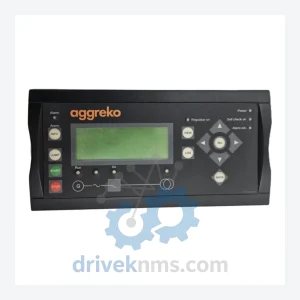
DEIF DU-2/MKIII Multi-Instrument – DU Series
Deif DU-2/MKIII is listed for DU Series RFQ review. Confirm quantity, condition and destination before quotation.
RFQ-ready industrial model
Model: AGC/GS/3 AGC
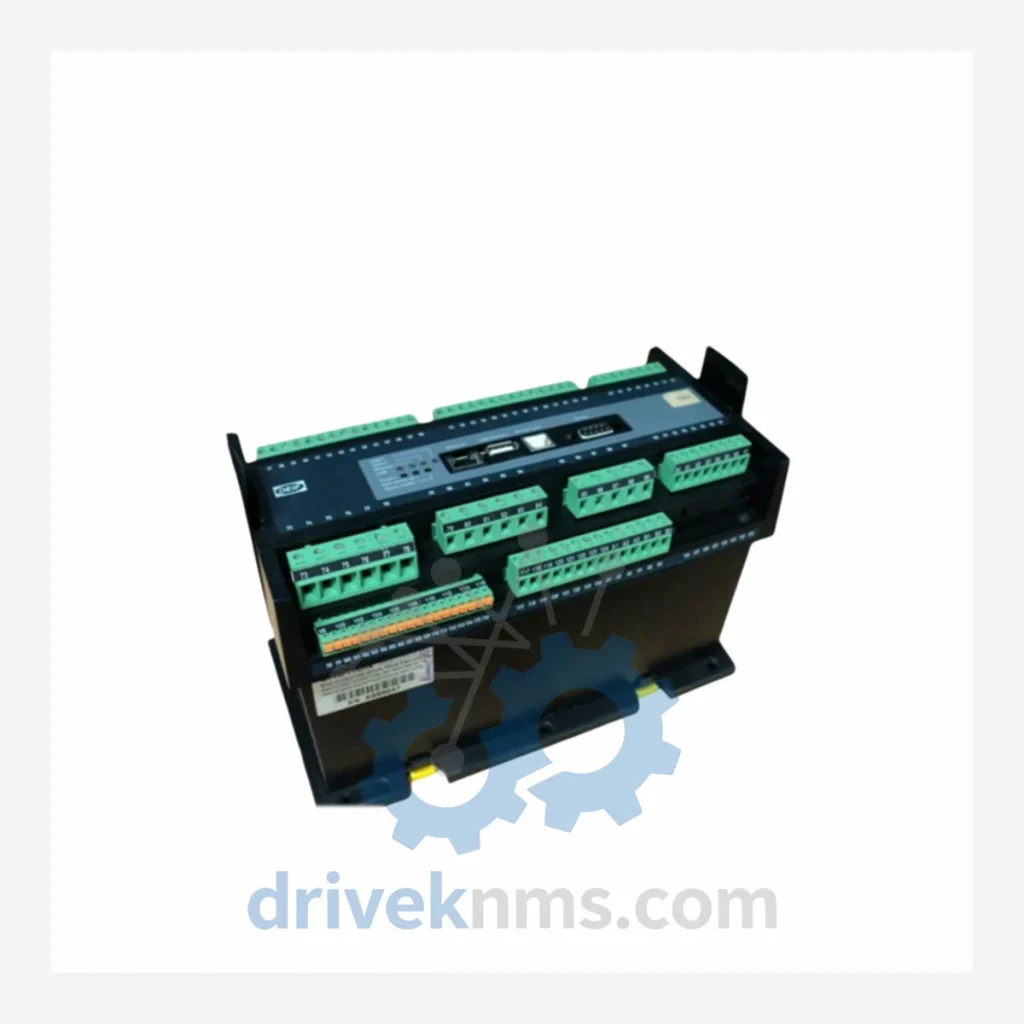
Product Overview
Commercial availability is handled through direct RFQ, model verification and export-oriented follow-up rather than public cart checkout.
Datasheet Preview
Use attached product manuals when available. If the manual is not public yet, request the full file directly through RFQ.
Commercial Path
Product pages on DRIVEKNMS are designed to verify model, brand and series first, then move the buyer into one clean quotation path.
Technical Dossier
RFQ support for obsolete parts: Send the model number, required quantity and destination so DriveKNMS can confirm sourcing options before quotation.
| Parameter | Detail |
|---|---|
| Manufacturer | DEIF A/S (Denmark) |
| Part Number / SKU | AGC-GS-3 (AGC/GS/3) |
| Product Series | AGC (Advanced Genset Controller) |
| Function | Automatic Genset Controller – synchronization, load sharing, protection, and AMF (Automatic Mains Failure) |
| Discontinuation Status | Discontinued / End-of-Life (EOL) – no longer manufactured by DEIF |
| Country of Origin | Denmark |
| Typical Application | Diesel and gas genset control panels, island mode and mains-parallel operation |
| Compatible Systems | DEIF AGC-4, AGC-5 legacy panel architectures; third-party genset control panels using DEIF AGC platform |
Note: Electrical parameters (voltage input range, frequency range, relay output ratings) are not published here to avoid inaccuracy. Please contact us with your panel documentation for parameter verification prior to ordering.
The DEIF AGC-GS-3 was widely deployed across power utilities, data center backup systems, marine auxiliary power, and industrial co-generation plants throughout the 2000s and 2010s. Its genset synchronization logic and AMF functionality were deeply integrated into panel wiring and SCADA communication protocols of that era.
DEIF has since migrated its product line to the AGC-4 and AGC-5 platforms, which are not backward-compatible at the hardware level without significant panel re-engineering. For facilities still operating AGC-GS-3-based panels, the practical options are stark: source the original module, or commit to a full panel replacement project.
A full panel replacement in a critical power application — hospitals, data centers, offshore platforms, water treatment facilities — is not a weekend project. It involves new engineering drawings, updated protection relay coordination studies, FAT/SAT testing, and regulatory re-certification in many jurisdictions. The AGC-GS-3 spare part, by contrast, restores full system function within hours of installation.
How to extend your automation asset life by 5–10 years using critical spare parts:
For plant managers facing board-level pressure to reduce maintenance CAPEX while maintaining uptime SLAs, the spare-parts-first strategy is not a compromise — it is the financially defensible position.
DriveKNMS applies a 5-step quality assurance protocol to all discontinued controller units before dispatch review:
Q: Should I purchase multiple units as long-term reserves?
A: For any facility operating more than two AGC-GS-3-controlled gensets, holding a minimum of two spare units is the standard recommendation. DEIF no longer manufactures this model, and secondary market availability will decrease as the installed base is gradually decommissioned. Current pricing reflects today's availability — not tomorrow's scarcity.
Q: Can DriveKNMS assist with installation or commissioning?
A: DriveKNMS is a specialist parts supplier. We provide full technical documentation available in our possession and can connect buyers with DEIF-certified service partners in their region upon request.
Continue The Model Path
Move from this exact model into the matching system hub, brand archive, model-family archive or lifecycle sourcing route before sending a final RFQ list.
Related Paths
Deif DU-2/MKIII is listed for DU Series RFQ review. Confirm quantity, condition and destination before quotation.
Alstom MVAJ105RA0802A is listed for MiCOM Series RFQ review. Confirm quantity, condition and destination before quotation.
Moore 16137-174 is listed for Servo Drives RFQ review. Confirm quantity, condition and destination before quotation.